Share This Article
Have you ever wondered why 1950s fashion remains so captivating decades later? The post-war era brought a revolutionary shift in clothing that defined an entire generation’s aesthetic. After years of wartime rationing and utilitarian styles, the 1950s were marked by a surge in femininity, elegance, and optimism that transformed the way people dressed.
I’ve spent years studying vintage fashion, and the ’50s remain my favorite decade for their perfect balance of sophistication and wearability. This era gave us iconic silhouettes that fashion designers still reference today—from Dior’s “New Look” to the rebellious leather jackets that defined youth culture.
In this comprehensive guide, you’ll discover the defining characteristics of 1950s fashion, the cultural forces that shaped these trends, and how both women’s and men’s styles evolved throughout this transformative decade. Whether you’re a vintage enthusiast, costume designer, or simply curious about fashion history, you’ll learn what made ’50s style so distinctive and timelessly elegant.
The Cultural Context Behind 1950s Fashion
Post-War Prosperity and Optimism
The economic boom following World War II dramatically influenced fashion choices. Families had more disposable income, and clothing manufacturers could finally use fabrics without wartime restrictions. This newfound prosperity meant women could embrace fuller skirts that used yards of fabric—a luxury impossible during the war years.
I’ve found that understanding this historical context helps explain why ’50s fashion feels so celebratory. After years of scarcity, people wanted to dress up and express joy through their clothing choices.
The Rise of Suburban Culture
The migration to the suburbs created new lifestyle demands. Women needed practical yet polished outfits for shopping, school events, and neighborhood gatherings. This shift popularized casual daywear that maintained elegance—think shirtwaist dresses perfect for both housework and social occasions.
Hollywood’s Powerful Influence
Movie stars like Marilyn Monroe, Grace Kelly, and Audrey Hepburn became fashion icons who shaped public taste. Their on-screen wardrobes sparked trends that everyday women rushed to emulate. Hollywood glamour wasn’t just entertainment—it was a blueprint for aspiration.
Women’s 1950s Fashion: Defining Silhouettes and Styles
The Revolutionary “New Look”
Christian Dior’s 1947 collection (which dominated the early 50s) completely transformed women’s fashion. The New Look silhouette featured:
- Nipped-in waists emphasized with fitted bodices
- Full, voluminous skirts that required petticoats for proper shape
- Rounded shoulders and soft, feminine lines
- Mid-calf hemlines that showcased elegant footwear
This hourglass shape became the decade’s signature, celebrating femininity after years of boxy, military-influenced styles.
Essential Dress Styles of the Era
Shirtwaist Dresses
These versatile button-front dresses became wardrobe staples. With fitted waists and full skirts, they worked for nearly any occasion. I love how these dresses could transition from morning errands to afternoon tea simply by changing accessories.
Swing Dresses
The playful swing dress featured a fitted bodice and a dramatically flared skirt, perfect for dancing. Young women especially embraced this style for sock hops and social gatherings.
Pencil Dresses
For more sophisticated occasions, the straight pencil silhouette offered sleek elegance. These form-fitting dresses hugged curves without the fullness of circle skirts, creating a streamlined, mature look favored by career women.
Separates and Casual Wear
Women began mixing separates more freely during the 1950s. Popular combinations included:
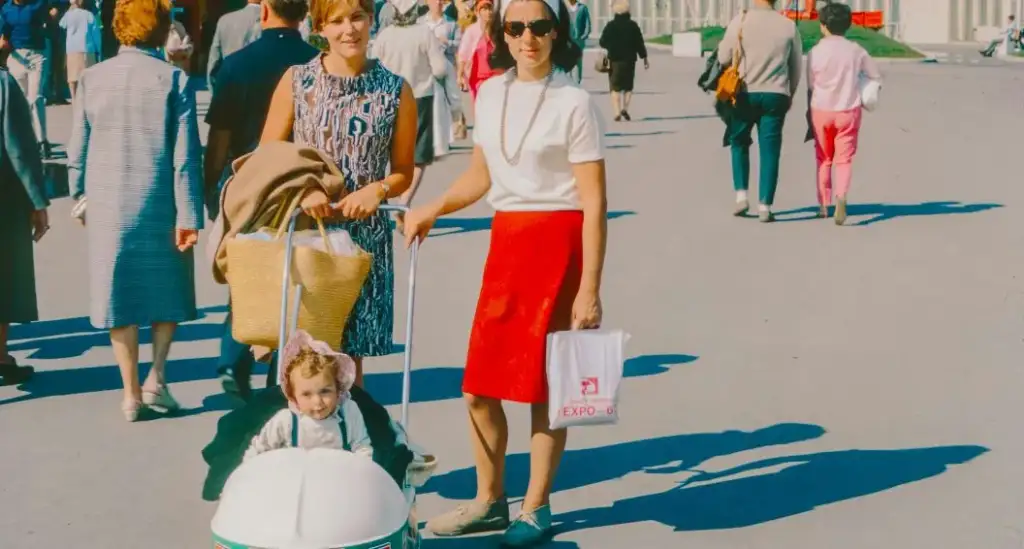
- Capri pants paired with fitted blouses or sweater sets
- Pleated skirts worn with tucked-in shirts
- Pedal pushers for casual summer activities
- Cardigans as essential layering pieces
Sweater sets (matching cardigan and shell) became symbols of refined casual style, particularly popular among college students and young professionals.
Fabrics and Patterns
The decade celebrated both bold and subtle aesthetics:
- Polka dots remained perpetually fashionable
- Gingham checks brought cheerful country charm
- Floral prints ranged from delicate to dramatic
- Taffeta and tulle created volume in evening wear
- Cotton poplin offered practical elegance for daywear
Accessories That Completed the Look
Foundation Garments
Achieving the perfect ’50s silhouette required proper undergarments. Bullet bras created the iconic pointed bust shape, while waist cinchers and girdles sculpted hourglass figures. Multiple crinoline petticoats gave skirts their characteristic bounce and volume.
Shoes and Handbags
Footwear emphasized femininity with:
- Kitten heels for everyday elegance
- Pointed-toe pumps that elongated the leg
- Saddle shoes for casual, youthful looks
- Peep-toe styles for warmer months
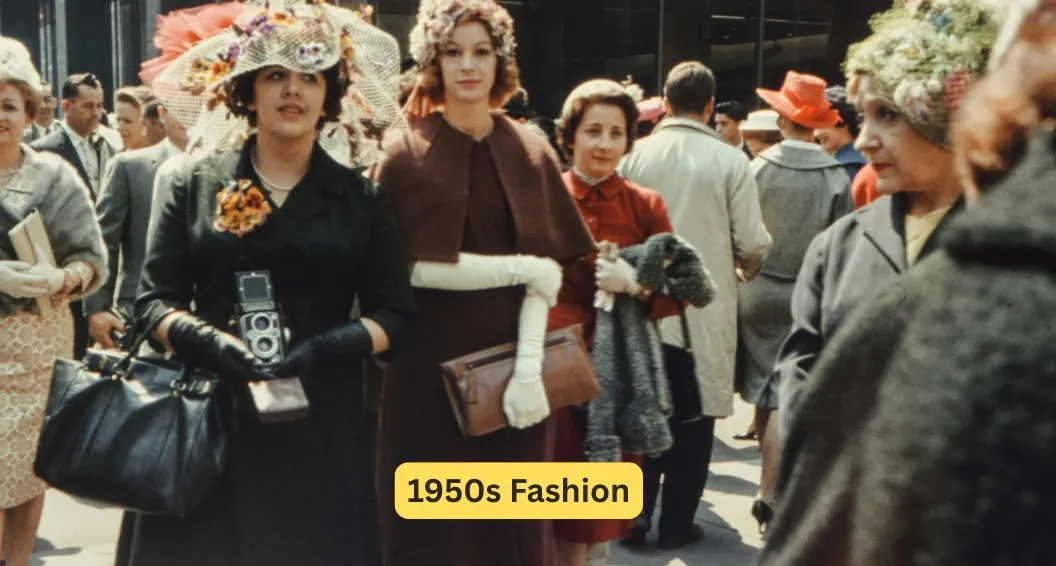
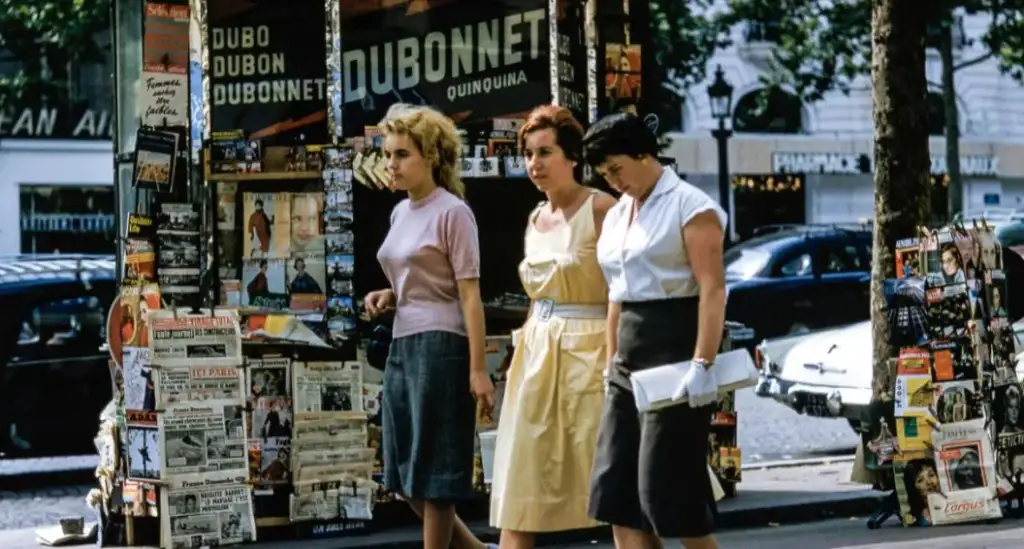
Structured handbags in coordinating colors completed outfits. Women often matched shoes, bags, and gloves—a coordination level that showed attention to detail.
Jewelry and Hair Accessories
Costume jewelry exploded in popularity. Pearl necklaces, charm bracelets, and clip-on earrings added sparkle without breaking budgets. Hair accessories like silk scarves, decorative headbands, and fascinator hats have a polished look.
Men’s 1950s Fashion: Conformity Meets Rebellion
Conservative Business Attire
Professional men embraced uniformity with:
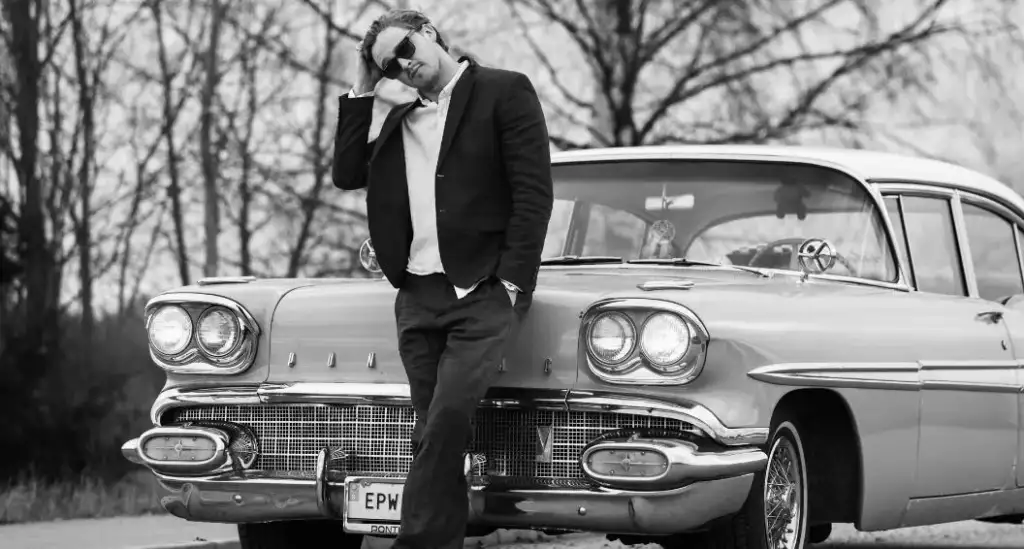
- Gray flannel suits as the corporate standard
- White dress shirts with conservative ties
- Fedora hats for businessmen
- Polished Oxford shoes in black or brown
This conformist approach reflected the era’s emphasis on fitting in and projecting respectability. In my research, I’ve noticed how little variation existed in men’s business wear compared to women’s fashion.
Casual Menswear Evolution
Weekend and leisure clothing offered more personality:
- Polo shirts for golf and casual outings
- Chinos in khaki or navy
- Letterman jackets for younger men
- Hawaiian shirts during the tiki culture craze
Youth Rebellion Through Fashion
Teenagers began asserting identity through distinctive styles that horrified conservative adults:
The Greaser Look
Working-class youth adopted leather jackets, tight blue jeans, and slicked-back hair styled with pomade. This rebellious aesthetic, popularized by Marlon Brando and James Dean, symbolized nonconformity.
Preppy Style
College students favored button-down Oxford shirts, argyle sweaters, and loafers—a cleaner-cut alternative that still differentiated youth from their parents’ generation.
Color Palettes and Aesthetics
The 1950s embraced both sophisticated and playful color schemes:
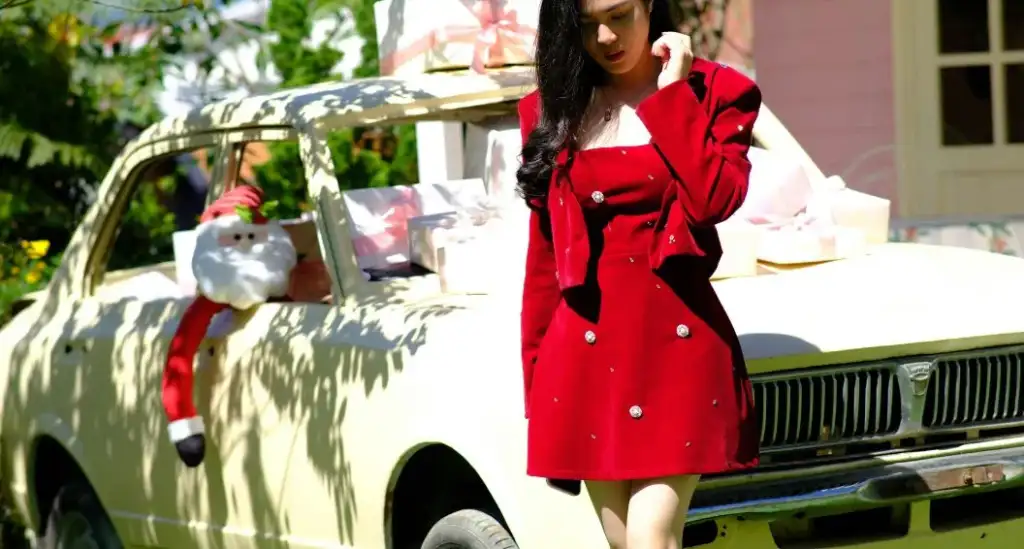
Feminine palettes included soft pink, powder blue, mint green, and lilac colors that emphasized sweetness and domesticity. Bold jewel tones like emerald, ruby red, and sapphire appeared in evening wear.
Pastels dominated both fashion and home decor, creating visual cohesion between wardrobe and lifestyle. This aesthetic reflected optimism and a desire for beauty after wartime austerity.
How to Recreate Authentic 1950s Style Today
Start with the Silhouette
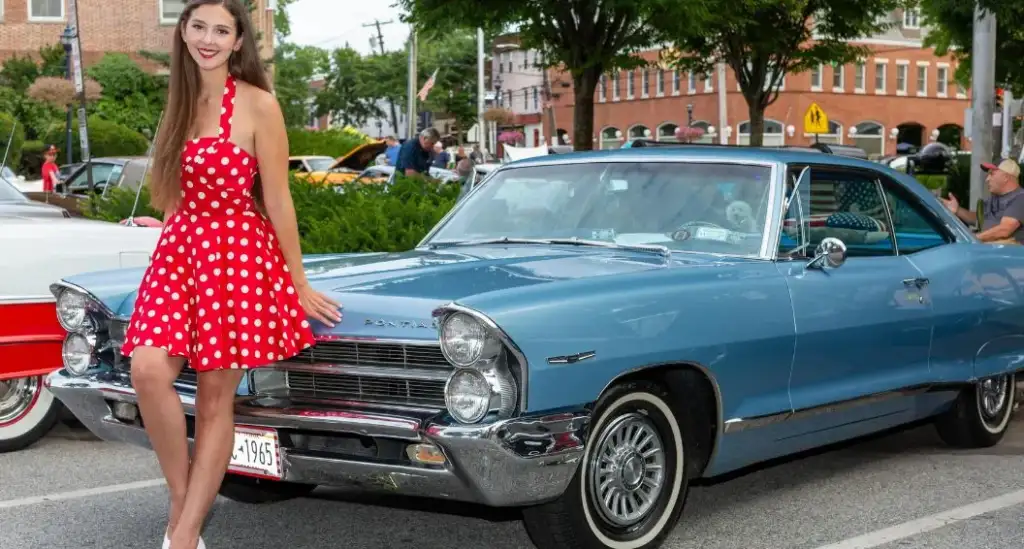
Focus on achieving the signature hourglass shape. A fitted dress with a full skirt instantly evokes ’50s elegance. Don’t skip the petticoat—it’s essential for authentic volume.
Choose Period-Appropriate Fabrics
Look for cotton, taffeta, and organza rather than modern synthetics. Vintage-inspired reproduction brands offer authentic fabric choices that capture the era’s feel.
Perfect Your Accessories
Details make the difference. Add gloves for formal occasions, choose structured handbags, and don’t forget period-appropriate jewelry. Red lipstick completes the classic ’50s makeup look.
Consider Context
Different occasions required different formality levels in the 1950s. Research whether you’re recreating daywear, cocktail attire, or casual weekend style for accuracy.
Conclusion
1950s fashion represents more than just clothing choices—it embodies an era’s values, aspirations, and cultural shifts. From Christian Dior’s revolutionary New Look to rebellious youth styles that challenged conformity, the decade created iconic silhouettes that continue influencing designers today.
The emphasis on femininity, attention to detail, and celebration of elegance make ’50s fashion enduringly appealing. Whether you’re drawn to full skirts and nipped waists or vintage menswear’s sharp tailoring, this era offers timeless style inspiration.
Ready to embrace vintage elegance? Start with one signature piece—maybe a swing dress or a structured handbag—and experience how 1950s fashion can transform your modern wardrobe. What aspect of ’50s style speaks to you most?
Frequently Asked Questions
1. What defined 1950s fashion for women?
The 1950s were characterized by an hourglass silhouette, featuring fitted tops, cinched waists, and full skirts, inspired by Dior’s New Look.
2. How was 1950s fashion different from earlier decades?
Unlike the practical, fabric-limited 1940s, the 1950s embraced fuller skirts, more fabric, and a stronger focus on femininity.
3. What did men wear in the 1950s?
Men typically wore gray suits for work, while casual looks included polo shirts, chinos, denim, and leather jackets for youth styles.
4. Why is 1950s fashion still popular?
Its timeless silhouettes, flattering fits, and classic elegance continue to inspire modern designers and vintage lovers.
5. What accessories were essential in the 1950s?
Women used petticoats, gloves, pearls, and scarves; men wore fedoras, polished shoes, and simple ties.