Share This Article
Have you ever wondered how a music genre born in the Bronx streets transformed into a global fashion powerhouse? Hip hop fashion isn’t just about clothes—it’s about attitude, self-expression, and breaking boundaries. From oversized tracksuits to luxury designer collaborations, this cultural movement has redefined how we think about style for over 50 years.
In this comprehensive guide, you’ll discover the rich history of hip hop fashion, explore iconic trends from each era, and learn how this influential style continues to shape modern streetwear and high fashion today.
The Origins of Hip Hop Fashion: Where It All Began
Hip hop fashion emerged in the 1970s alongside the birth of hip hop culture in New York City’s South Bronx. The style reflected the resourcefulness and creativity of urban youth who transformed everyday streetwear into a powerful form of self-expression.
The Bronx Blueprint: Early 1970s Style
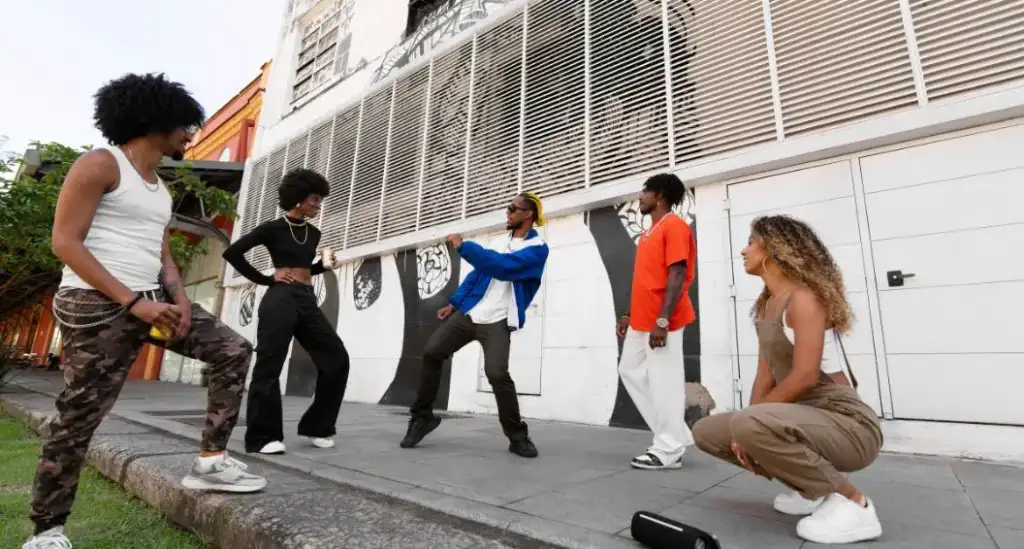
The original hip hop look came from what kids already had in their closets. Dance crews and early DJs wore comfortable, affordable clothing that allowed them to move freely at block parties and street performances.
Key elements included:
- Tracksuits from brands like Adidas and Le Coq Sportif
- Pro-Keds and Puma sneakers with oversized shoelaces
- Bomber jackets and sheepskin coats
- Kangol bucket hats
- Simple gold chains
The genius was in how these pieces were worn. B-boys needed flexibility for breakdancing, while DJs wanted to stand out behind their turntables. Fashion became part of the performance, helping crews distinguish themselves from competitors.
Why Oversized Clothing Became Iconic
You might notice that baggy clothes are synonymous with hip hop style. This trend actually started out of necessity. Many inner-city youth wore hand-me-downs that didn’t fit perfectly, but instead of seeing this as a limitation, they made it their signature look.
Oversized silhouettes offered comfort and freedom of movement. More importantly, they represented a rejection of mainstream fashion norms and became a powerful statement of cultural identity.
The Golden Era: 1980s Hip Hop Fashion Revolution
The 1980s marked a turning point when hip hop fashion gained mainstream attention and commercial power. This decade introduced luxury brands to street culture and established hip hop as a legitimate fashion influence.
Run-DMC and the Adidas Partnership
In 1986, Run-DMC released “My Adidas,” and everything changed. This was one of the first major endorsement deals between a hip hop group and a sportswear brand, proving that urban culture had serious commercial value.
The group’s signature style included:
- Adidas Superstar sneakers (worn without laces)
- Black tracksuits with white stripes
- Kangol bucket hats
- Thick gold chains
- Black fedoras
Their partnership with Adidas opened doors for countless collaborations between artists and fashion brands that continue today.
Dapper Dan: The Luxury Fashion Pioneer
Dapper Dan deserves special recognition as the “father of hip hop fashion.” Operating from his 24-hour Harlem boutique, he deconstructed luxury items from brands like Gucci, Louis Vuitton, and Fendi, then reconstructed them into custom pieces for hip hop artists.
His innovative approach combined high fashion with street aesthetics years before luxury brands acknowledged urban culture. Artists like LL Cool J, Eric B & Rakim, and Salt-N-Pepa wore his custom creations, which appeared on iconic album covers.
Bold Accessories That Made Statements
The 1980s were all about making bold statements through accessories:
- Heavy gold chains became status symbols
- Large door-knocker earrings popularized by female rappers like Salt-N-Pepa
- Cazal eyeglasses with thick frames
- Nameplates and name belts for personalization
- Multiple rings worn on several fingers
These accessories weren’t just about wealth—they represented achievement, cultural pride, and individual expression.
The 1990s: Hip Hop Fashion Goes Mainstream
The 1990s saw hip hop fashion explode into mainstream consciousness. Different regional styles emerged, and the divide between East Coast and West Coast hip hop influenced fashion choices significantly.
East Coast Streetwear Essentials
New York style dominated the early 1990s with a focus on authentic street aesthetics:
- Timberland boots became synonymous with New York hip hop
- Baggy jeans from brands like FUBU and Karl Kani
- Carhartt workwear adopted for its durability
- North Face and Columbia jackets for harsh winters
- Fitted baseball caps representing hometown pride
Wu-Tang Clan, Nas, and The Notorious B.I.G. exemplified this rugged, street-focused style that prioritized authenticity over flash.
West Coast Hip Hop Style
West Coast fashion took a different direction, influenced by California’s gang culture and warmer climate:
- Khaki Dickies pants paired with white tees
- Flannel shirts worn buttoned only at the top
- Nike Cortez sneakers
- Bandanas in various colors
- Lowrider culture influence in accessories
Artists like Tupac, Snoop Dogg, and Dr. Dre brought this laid-back yet defiant aesthetic to the world stage.
The Rise of Hip Hop Fashion Brands
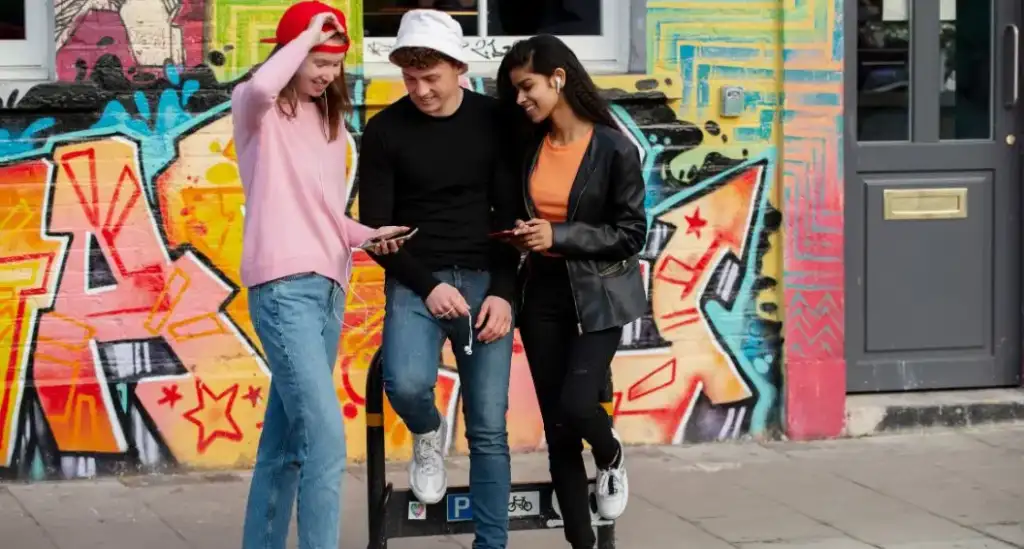
The 1990s saw the birth of hip hop fashion labels created by and for the culture:
FUBU (For Us By Us): Founded by Daymond John, this brand represented authentic hip hop culture and achieved massive commercial success.
Karl Kani: Credited with popularizing baggy jeans and bringing West Coast style to international markets.
Rocawear: Jay-Z’s brand combined streetwear with aspirational luxury.
Sean John: Diddy’s line merged urban style with high-end fashion sensibilities.
These brands proved that hip hop fashion could be a legitimate business empire, not just a cultural trend.
2000s: The Bling Era and High Fashion Fusion
The early 2000s brought maximum excess and glamour to hip hop fashion. This era was characterized by bold logos, luxurious materials, and unapologetic displays of wealth.
Signature 2000s Hip Hop Looks
Fashion in this decade was impossible to ignore:
- Velour tracksuits from Juicy Couture and Sean John
- True Religion jeans with distinctive horseshoe stitching
- Oversized jerseys worn as everyday clothing
- Von Dutch trucker hats
- Ed Hardy graphic tees with elaborate designs
Low-rise pants dominated women’s hip hop fashion, while men embraced oversized white tees that reached knee-length.
Jewelry Reaches New Heights
The 2000s took jewelry to unprecedented levels of extravagance. Artists competed to showcase the most impressive pieces:
- Iced-out chains covered in diamonds
- Grillz adorning teeth in gold and platinum
- Oversized pendants featuring custom logos
- Diamond-encrusted watches
- Pinky rings as status symbols
This era celebrated success loudly and visibly, with jewelry serving as wearable proof of achievement.
Modern Hip Hop Fashion: 2010s to Present
Today’s hip hop fashion is more diverse and experimental than ever. The lines between streetwear, high fashion, and hip hop culture have blurred significantly.
Streetwear Meets High Fashion
Luxury fashion houses now actively court hip hop culture:
- Kanye West’s Yeezy collaboration with Adidas revolutionized sneaker culture
- Pharrell Williams appointed as Louis Vuitton’s creative director
- A$AP Rocky’s Dior partnership brought hip hop to haute couture
- Travis Scott’s collaborations with Nike and McDonald’s
These partnerships represent mutual respect between hip hop culture and high fashion, a relationship that took decades to develop.
The Influence of Social Media
Instagram, TikTok, and YouTube have transformed how hip hop fashion spreads. Artists can now instantly share their style with millions of followers, making trends emerge and evolve faster than ever.
Contemporary artists setting fashion trends include:
- Tyler, the Creator with his Golf Wang brand
- Doja Cat pushing boundary-defying experimental looks
- Kendrick Lamar embracing minimalist sophistication
- Lil Uzi Vert bringing punk and rock influences
Sustainability and Conscious Fashion
A significant shift has occurred toward ethical and sustainable fashion choices. Many modern hip hop artists promote brands prioritizing:
- Environmentally friendly materials
- Ethical production practices
- Transparent supply chains
- Upcycled and recycled fabrics
This movement proves that hip hop fashion continues to evolve beyond aesthetics, addressing important social and environmental issues.
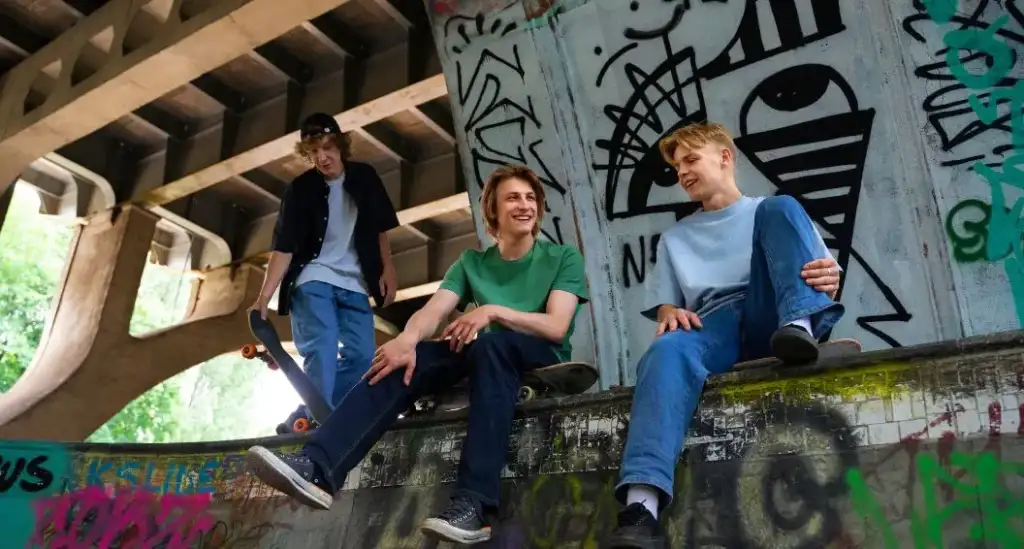
Key Hip Hop Fashion Elements You Can Incorporate Today
Want to add hip hop influence to your personal style? Here are timeless elements that work in 2025:
Sneaker Culture
Sneakers remain the foundation of hip hop fashion. Invest in classic styles:
- Adidas Superstars for old-school vibes
- Nike Air Force 1s as versatile essentials
- Jordan Retros for collector appeal
- Yeezy models for contemporary edge
Keep them clean and well-maintained—fresh sneakers show attention to detail and respect for the culture.
Statement Outerwear
Jackets and coats make powerful fashion statements:
- Oversized bomber jackets
- Puffer coats in bold colors
- Leather jackets with unique details
- Vintage sports team jackets
Outerwear allows you to experiment with proportions and create memorable silhouettes.
Mixing High and Low
Today’s hip hop fashion embraces mixing luxury pieces with affordable streetwear. You might pair:
- Designer sneakers with thrifted jeans
- Vintage band tees under expensive blazers
- High-end accessories with basic hoodies
This approach keeps looks interesting and authentic while staying true to hip hop’s democratic spirit.
Confidence Is Everything
Remember that hip hop fashion has always been about confidence and attitude. The clothes don’t make the style—you do. Wear what makes you feel powerful and authentic.
Hip Hop Fashion’s Cultural Impact Beyond Clothing
Hip hop fashion has influenced far more than what people wear. It’s changed entire industries and cultural perspectives.
Breaking Down Barriers
Hip hop fashion helped:
- Challenge racial stereotypes in fashion
- Make streetwear acceptable in corporate settings
- Prove that urban culture has commercial value
- Open opportunities for Black designers and entrepreneurs
Economic Empowerment
The fashion industry recognizes hip hop’s economic power. Hip hop-related fashion generates billions annually through:
- Brand collaborations
- Artist-owned fashion lines
- Sneaker resale markets
- Fashion weeks and exhibitions
Global Influence
Hip hop fashion is now truly global. From Tokyo to London, Paris to Lagos, young people embrace hip hop aesthetics as part of their identity. The style has become a universal language of youth culture and self-expression.
How to Style Hip Hop Fashion for Different Occasions
Casual Everyday Look
Create a relaxed hip hop-inspired outfit:
- Oversized graphic tee or hoodie
- Comfortable baggy jeans or joggers
- Fresh sneakers
- Simple chain or watch
- Baseball cap or beanie
This effortless combination works for running errands, meeting friends, or casual outings.
Elevated Streetwear for Night Out
Step up your game with:
- Designer sneakers or leather boots
- Well-fitted black jeans or tailored joggers
- Statement jacket (leather, bomber, or designer piece)
- Quality jewelry pieces
- Clean, minimal accessories
Balance oversized and fitted pieces for a polished yet authentic look.
Modern Professional Hip Hop Style
Yes, you can incorporate hip hop elements into professional settings:
- Tailored suit in unconventional color
- Premium sneakers or dress boots
- Subtle designer accessories
- Fitted turtleneck or textured shirt
- Statement watch
The key is maintaining professionalism while expressing personality through quality pieces and unique details.
The Future of Hip Hop Fashion: What’s Next?
Hip hop fashion continues evolving with technology and social consciousness.
Tech Integration
Expect to see more:
- Smart fabrics that change color or regulate temperature
- AR shopping experiences for virtual try-ons
- NFTs and blockchain fashion creating digital collectibles
- AI-designed collections pushing creative boundaries
Continued Sustainability Focus
Environmental consciousness will drive future trends:
- Increased use of recycled materials
- Transparent ethical production
- Circular fashion models
- Partnerships with sustainable brands
Breaking Gender Norms
Hip hop fashion increasingly challenges traditional gender boundaries, offering more inclusive and fluid style options for all identities.
Conclusion
Hip hop fashion transformed from Bronx streetwear into a global cultural force that influences luxury fashion, mainstream style, and youth culture worldwide. This journey reflects hip hop’s core values of authenticity, creativity, and resistance to limitations.
Whether you’re embracing oversized silhouettes, investing in statement sneakers, or mixing luxury with streetwear, hip hop fashion offers endless possibilities for self-expression. It is only to adhere to oneself without having to ignore the rich history of the culture.
Ready to elevate your style? Start by incorporating one or two hip hop fashion elements that resonate with you. Remember, confidence and authenticity matter more than any brand name or trend. Hip hop fashion isn’t just what you wear—it’s about expressing who you are.
What hip hop fashion trend resonates most with you? Will you embrace the oversized aesthetic, invest in sneaker culture, or experiment with high-low fashion mixing?
Frequently Asked Questions
1. What is hip hop fashion?
Hip hop fashion is a style rooted in street culture that emphasizes self-expression, confidence, and cultural identity through clothing, accessories, and attitude.
2. When did hip hop fashion begin?
Hip hop fashion began in the 1970s in the South Bronx, alongside the rise of hip hop music, DJing, breakdancing, and graffiti culture.
3. Why is oversized clothing important in hip hop fashion?
Oversized clothing became iconic because it offered comfort, freedom of movement, and symbolized a rejection of traditional fashion norms.
4. How has hip hop fashion influenced modern style?
Hip hop fashion has shaped streetwear, sneaker culture, and luxury fashion through artist collaborations and global trend adoption.
5. Is hip hop fashion still relevant today?
Yes, hip hop fashion remains highly influential, blending streetwear with high fashion while promoting creativity, diversity, and sustainability.