Share This Article
I used to own 47 shirts. Yeah, I counted them one weekend when I couldn’t find anything to wear. Sounds ridiculous, right? But here’s what really got me: I wore maybe eight of them regularly.
That moment changed how I think about clothes entirely. I spent the next six months selling, donating, and rebuilding my wardrobe from scratch. Now I own 15 pieces total, and getting dressed takes me three minutes instead of twenty.
Minimalist fashion isn’t about deprivation or wearing the same gray outfit every day. It’s about owning fewer, better pieces that actually work for your life. You’ll spend less money, save time every morning, and actually like everything hanging in your closet.
I’m going to walk you through exactly how to build a minimalist wardrobe that fits your style, budget, and lifestyle. No generic capsule wardrobe advice—just what actually worked for me after spending way too much money learning the hard way.
What Minimalist Fashion Really Means
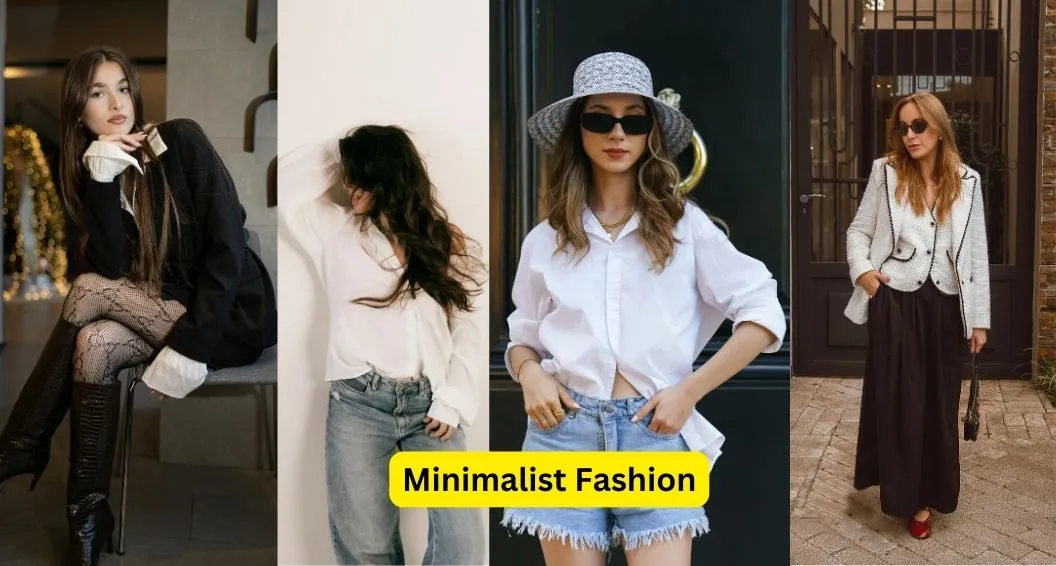
Most people think minimalist fashion means wearing black turtlenecks and living like Steve Jobs. That’s not it at all.
Minimalist fashion is about intentional choices. You own fewer items, but each one serves multiple purposes and makes you feel good when you wear it. Quality beats quantity every single time.
The Core Philosophy
The idea is simple: every piece in your closet should earn its place. If you haven’t worn something in three months, it’s probably taking up space you could use better.
I learned this after buying a “statement jacket” for $200 that I wore exactly twice. It looked amazing in the store, but didn’t match anything I actually owned. That’s $100 per wear. My plain black jeans from Uniqlo? I’ve worn them 200+ times at $60. That’s 30 cents per wear.
Common Misconceptions
People assume minimalist fashion means boring or expensive. Neither is true.
You don’t need designer brands. My most-worn shirt is from Everlane and cost $35. I’ve had it for three years, and it still looks new because I bought quality fabric instead of trendy junk from fast fashion retailers.
You also don’t have to dress like everyone else. Minimalism just means cutting out the noise so your actual style can show through.
Benefits Beyond Just Looking Good
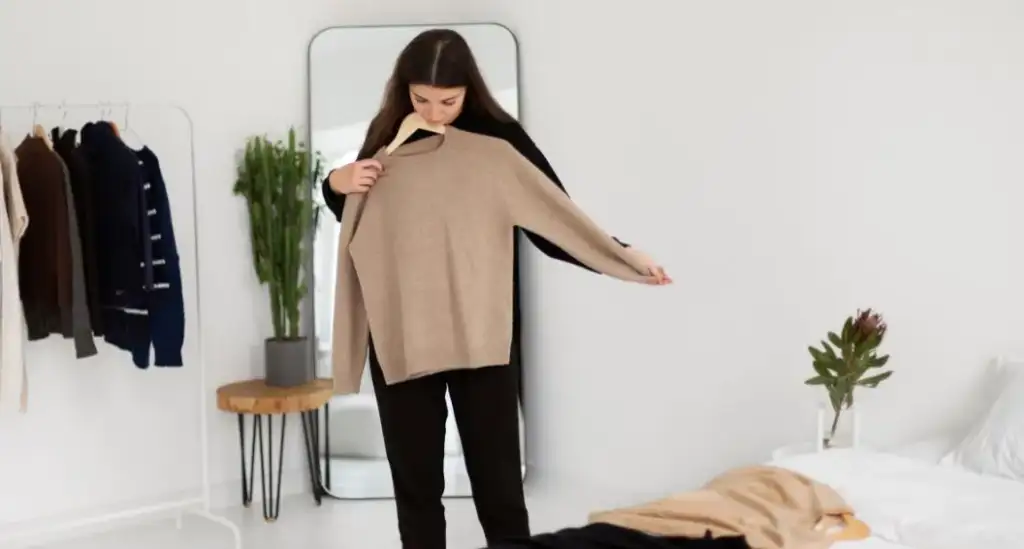
The money savings surprised me most. I used to drop $150-200 monthly on random clothing purchases. Last year, I spent $400 total on clothes. That’s $2,000 in my pocket.
Time Savings Are Real
Getting dressed used to stress me out. I’d try on four outfits before settling on something I felt “meh” about.
Now? I grab any shirt and any pants,s and they work together. Everything coordinates because I chose a simple color palette: black, white, navy, and gray. Boring? Maybe. But I’m out the door in minutes, and I always feel put-together.
Mental Clarity
This sounds dramatic, but reducing my wardrobe reduced my anxiety. One less decision to make every morning means more mental energy for things that actually matter.
Environmental Impact
Fast fashion is terrible for the planet. An average citizen disposes of 81 pounds of clothing each year. By buying less and choosing quality, you’re not contributing to that waste cycle.
I’m not perfect about this, but knowing my clothes will last years instead of months feels good.
How to Actually Build Your Minimalist Wardrobe
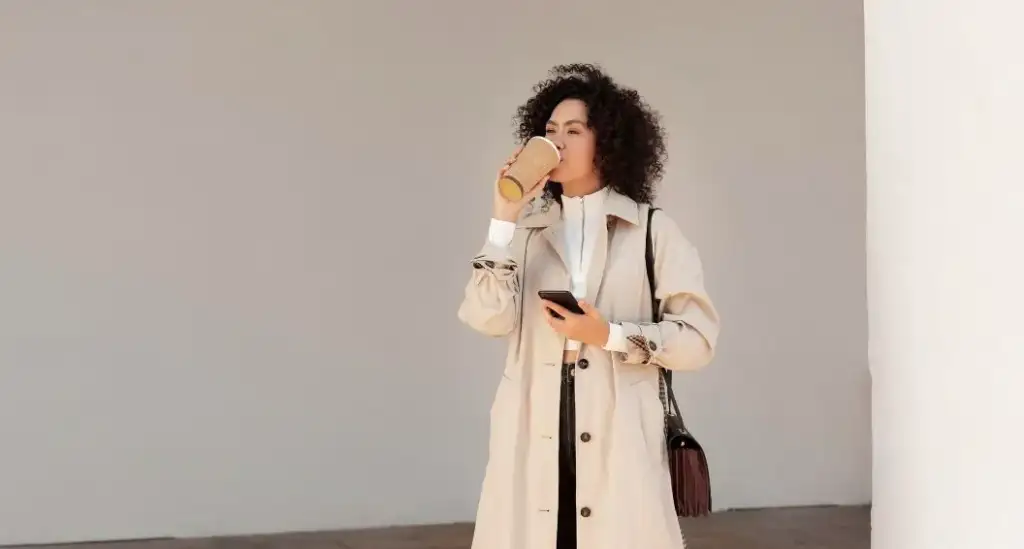
Don’t just throw everything away tomorrow. I tried that approach and ended up panic-buying replacements. Smart transition takes time.
Step One: Audit What You Own
Pull everything out of your closet. Everything. I know it’s annoying, but you need to see the full picture.
Make three piles:
- Wear constantly (these stay)
- Wear sometimes (evaluate honestly)
- Never wear (be ruthless)
The “never wear” pile is probably bigger than you think. I possessed twelve pairs of jeans, and two of them were worn.
Step Two: Identify Your Actual Style
Look at your “wear constantly” pile. What do these pieces have in common? That’s your real style, not what fashion magazines tell you to wear.
Mine were all simple, comfortable, and either black or navy. I’d been buying colorful,l trendy stuff because I thought I should, but my actual preferences were completely different.
Step Three: Choose Your Color Palette
Pick three neutral colors and one or two accent colors. This makes everything mix and match automatically.
My palette: black, white, navy (neutrals) plus olive green (accent). Every single item I own works with at least five other items. No longer “I have nothing to wear” with a full-time wardrobe.
Step Four: Build Your Foundation
Start with the basics before adding anything interesting. You need:
Tops (4-6 pieces)
- Two plain t-shirts in neutral colors
- Two button-up shirts (one casual, one dressier)
- One sweater or hoodie
Bottoms (3-4 pieces)
- Two pairs of well-fitting jeans
- One pair of chinos or dress pants
- Optional: one skirt or shorts, depending onthe climate
Outerwear (2-3 pieces)
- One rain jacket or light jacket
- One warm coat for winter
- Optional: one versatile blazer
Shoes (3-4 pairs)
- White sneakers (surprisingly versatile)
- Brown or black boots
- Dress shoes
- Optional: sandals or athletic shoes
I bought my entire foundation wardrobe over four months, waiting for sales and shopping secondhand when possible. Cost me around $600 total, but these pieces have lasted years.

Step Five: Add Personality Thoughtfully
Once you have the foundation, you can add unique pieces that reflect your personality. But here’s the rule: every new item must work with at least three things you already own.
I wanted a leather jacket forever,r but waited two years to find the right one. When I finally bought it (secondhand for $120), it instantly worked with every outfit I owned. Worth the wait.
Shopping Strategies That Actually Work
The biggest shift was stopping impulse purchases. I now use the “30-day rule” for anything over $50. If I still want it after 30 days, I buy it. Probably rejected 80% of potential purchases this way.
Quality Indicators to Look For
You don’t need to spend a fortune, but you should know what makes clothing last:
Fabric quality: Natural fibers like cotton, wool, and linen last longer than polyester. Check the tag. If it’s 100% polyester, it’ll probably pill and look worn after a few washes.
Construction: Look at seams and stitching. Are they straight and secure? Can you see through the fabric when you hold it up to the light? If yes, it’s too thin.
Weight: Quality clothing feels substantial. That $8 t-shirt feels flimsy because it is flimsy. You’ll replace it in six months.
Where I Actually Shop
I mix high and low strategically:
Uniqlo: Amazing basics at reasonable prices. Their Supima cotton t-shirts are $15 and last forever.
Everlane: Transparent pricing and solid quality. More expensive but worth it for key pieces.
ThredUp and Poshmark: Secondhand shopping for brands I couldn’t normally afford. Found $300 pants for $40.
Local thrift stores: Hit or miss, but occasionally you find gold. Got a perfect blazer for $12 last month.
Avoid fast fashion chains like Shein or Fashion Nova unless you want clothes that fall apart immediately. Been there, wasted that money.

Top Ten Things I Learned the Hard Way
Buying all black everything seemed smart until I realized I looked like I was going to a funeral every day. Add some variety even within minimalism.
The Capsule Wardrobe Trap
Those “30-piece capsule wardrobe” guides on Pinterest? Totally unrealistic for most people’s lives. Your needs are different than some fashion blogger’s needs.
I work from home in a cold climate. My wardrobe looks nothing like someone who works in an office in California. Build for YOUR life, not an Instagram aesthetic.
Sizing Issues
I bought three “perfect” white t-shirts online without trying them on first. One fit great, one was too tight, and one was too long. Returns were a hassle.
Buy basics in person when possible, at least the first time. Once you know what size works in a specific brand, you can order online confidently.
The Upgrade Obsession
Once I got into quality basics, I wanted to upgrade everything immediately. Don’t do this. Replace items as they wear out, not all at once.
I sold perfectly good jeans to buy “better” jeans. The difference was minimal. Waste of money.
Maintaining Your Minimalist Wardrobe
Keeping things minimal requires ongoing effort. I do a closet review every three months and remove anything I haven’t worn.
Care Makes Things Last
Quality clothing still needs proper care:
- Wash less frequently (unless visibly dirty or sweaty)
- Use cold water and hang dry when possible
- Follow care labels, actually
- Repair small issues immediately
I ignored a loose button for two weeks,s and the whole shirt unraveled. Five minutes wita h needle and thread would’ve saved it.
The One In, One Out Rule
When I buy something new, something old goes. This keeps my wardrobe from creeping back up to 47 shirts.
Exceptions exist for replacing worn-out items, but generally, this rule keeps things in check.
Making It Work for Different Lifestyles
Minimalist fashion looks different for everyone. An artist needs different pieces than a lawyer. That’s fine.
Professional Settings
You can absolutely dress minimally for office work. Invest more in your work pieces since you wear them constantly.
My friend Sarah has five work outfits that she rotates. Nobody notices she’s repeating because they’re classic pieces that look polished. She spends way less than coworkers who buy new outfits weekly.
Casual or Creative Lifestyles
If you work in a creative field or from home, lean into comfort while maintaining quality.
My work-from-home wardrobe is mostly high-quality basics that look put-together on video calls but feel like pajamas. Best of both worlds.
The Money Reality Check
The first year of minimalist fashion might not save you money if you’re replacing everything. That’s okay. Year two and beyond is where savings compound.
I spent $600 building my foundation wardrobe. Sounds like a lot, but I used to spend $150-200 monthly on random clothes I didn’t need. Breaking even happened fast.
Now I spend maybe $200-300 yearly on clothing. That’s $1,500+ in annual savings compared to before. Over five years,s that’s $7,500 that went to travel and experiences instead of clothes I barely wore.
Your Style Evolution
Your minimalist wardrobe should evolve with you. I started with strictly black and white but realized I missed color. Added olive green and navy. Much happier.
Don’t treat this like a prison sentence. The whole point is making your life easier and more enjoyable, not restricting yourself forever.
If something stops working for you, change it. I thought I needed a suit jacket, but realized I never wore it. Sold it and bought a nice casual blazer instead. Way more versatile for my actual life.
Bottom Line
Minimalist fashion gave me back time, money, and mental space I didn’t realize I was wasting. Getting dressed is easy now. I feel confident in everything I own. My bank account is healthier.
Start small. Pick one area to minimize first—maybe shoes or accessories. See how it feels. Then expand from there. After 30 days, I purchase it if I desire it.
You don’t have to own fifteen pieces like me. Maybe your number is thirty or fifty. The exact count doesn’t matter. What matters is that everything you own serves a purpose and makes you happy.
Build slowly, buy quality, and be honest about what you actually wear versus what you think you should wear. Your future self will thank you.
Conclusion
Look, you don’t need to throw out half your closet tomorrow. Start with one drawer. Remove what you haven’t touched in six months. See how that feels.
The money you save is real. The time you get back is real. And honestly? The mental relief of opening your closet and actually liking everything in there—that’s worth more than both.
Your minimalist wardrobe will look different than mine, and that’s the whole point. Build what works for YOUR life, not some Instagram aesthetic.
Frequently Asked Questions
1. Is minimalist fashion expensive to start?
It can cost more upfront, but long-term,m you spend far less by buying fewer, higher-quality pieces.
2. Do I have to wear boring or neutral clothes?
No. Minimalism is about intention, not color—your wardrobe can still reflect your personality.
3. How many clothes does a minimalist wardrobe have?
There’s no fixed number. The right amount is whatever you actually wear and enjoy regularly.
4. Can minimalist fashion work for different lifestyles?
Yes. A minimalist wardrobe should be built around your job, climate, and daily routine.
5. When do the money savings really show?
Usually, after the first year, you stop impulse buying and only replace items when needed.