Share This Article
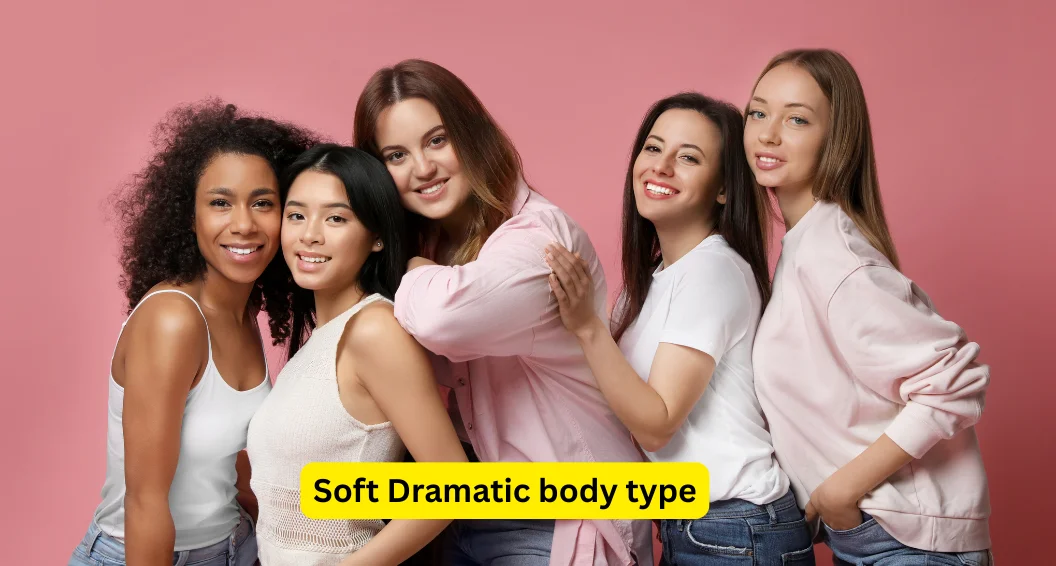
You spent three hours on Pinterest trying to figure out why certain outfits look incredible on you — and others just… don’t. And then someone mentioned Kibbe body types, and suddenly soft dramatic body type is everywhere you look. But every article you find is either weirdly vague or lists celebrities without explaining anything useful.
I’ve been down that rabbit hole. So, I will spare you the headache.
The soft dramatic body type is one of the more misunderstood types in David Kibbe’s system — partly because “dramatic” sounds severe, and “soft” contradicts that. But once it clicks, it genuinely changes how you shop. This guide breaks down exactly what the soft dramatic is, who it applies to, how to dress it, and where people go wrong.
What Is the Soft Dramatic Body Type, Really?
David Kibbe introduced his 13 body types back in his 1987 book Metamorphosis, and the soft dramatic sits in a specific, interesting place in that system. It’s not just “tall and curvy.” There’s an actual structure to it.
The Core Physical Characteristics
Soft dramatics are typically — though not always — tall (5’6″ and above, though exceptions exist). The defining factor isn’t height alone. It’s the combination of sharp, elongated bone structure with lush, soft flesh.
Think about that for a second. The skeleton reads dramatic — long limbs, broad shoulders, a strong jawline, or prominent facial features. But layered over that is softness: rounded curves, a full bust, soft waist definition, fleshy upper arms. It’s not an hourglass in the classic sense. It’s more like a sculpture that’s both architectural and draped.
Key physical markers:
- Shoulders tend to be wide and slightly angular
- Vertical line (head to toe) is long and unbroken
- Bust is often full or prominent
- Waist exists but isn’t sharply defined
- Hips are soft and rounded, not angular
- Hands and feet tend to be large and long
- Facial features often have a mix of sharpness (strong nose, defined cheekbones) and fullness (full lips, fleshy cheeks)
This combination is what makes dressing the soft dramatic tricky. You have a Yang (sharp, angular) bone structure and Yin (soft, rounded) flesh — and most clothes cater to one or the other.
How Soft Dramatic Differs from Dramatic
Pure Dramatics in Kibbe’s system are all Yang — sharp, angular, lean. Think very tall, narrow-framed women with minimal curves. The soft drama introduces significant Yin into that framework. More softness, more curve, more flesh.
If you look at a pure Dramatic and feel like something’s missing — like the angular cuts look too severe or leave you feeling unflattering — you might be a Soft Dramatic. The key question: Do you have noticeable curves layered over a long, strong frame?
Soft Dramatic vs. Soft Natural
This is a comparison that comes up constantly, and it genuinely confuses people. Both types are tall-ish and curvy. Here’s the actual difference:
Soft Naturals have a wider, more athletic bone structure with soft flesh. Their shoulders are wide but less angular — more “broad” than “sharp.” They also tend to have a broader waist. Their overall vibe is earthy, relaxed, slightly undone.
Soft Dramatics have sharper, more elongated bones — that angular jaw, those defined shoulders, the long vertical line. They read more sleek and polished even without trying. Their width comes from an angular frame, not a broad-athletic one.
The easy shortcut: Soft Naturals look great in loose, flowy, textured fabrics. That same vibe on a Soft Dramatic can read sloppy rather than effortless.
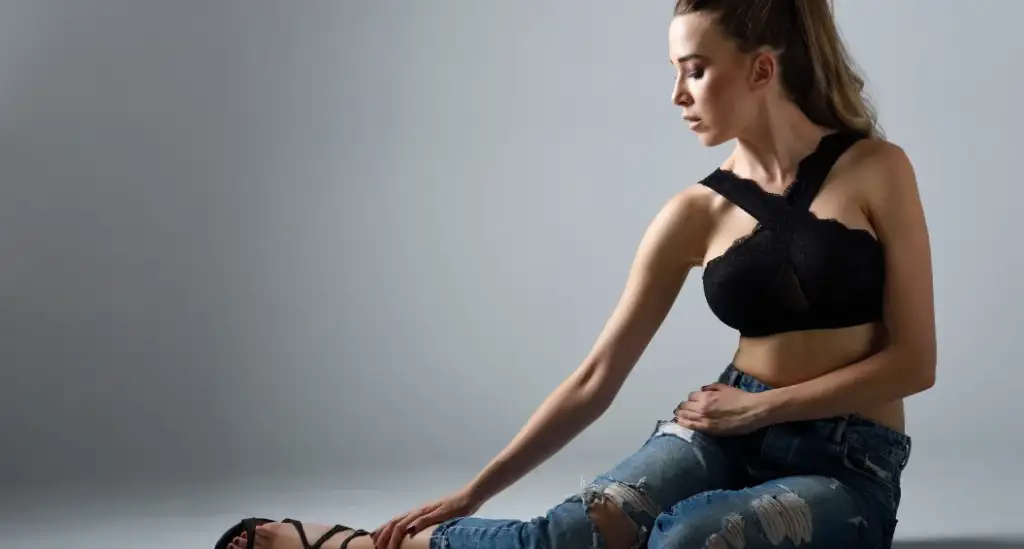
Soft Dramatic Body Type Celebrities: Who Fits This Type?
Seeing it in real people helps. Here are some commonly cited examples of the soft dramatic body type in celebrities:
- Sophia Loren: the classic example. Long, angular frame, prominent features, deeply curvy flesh.
- Salma Hayek: strong facial features, full figure, long vertical line despite being petite (Kibbe accounts for this)
- Tyra Banks: broad angular shoulders, prominent features, soft curves
- Nigella Lawson: often cited in Kibbe communities as a soft dramatic
- Christina Hendricks: full curves over a strong, defined bone structure
Notice what they have in common: they all look powerful and sensual at once. The frame carries the flesh rather than the flesh overwhelming the frame.
How to Dress a Soft Dramatic Body Type
This is where things get genuinely useful. The guiding principle for soft dramatic dressing is: honor the vertical line while accommodating the curves.
The Vertical Line Is Non-Negotiable
Soft dramatics have a long, unbroken vertical line from head to toe. When you cut that line — with a high-contrast belt, a boxy hemline, a too-wide print — the whole look falls apart. You want clothing that flows with that vertical line rather than interrupting it.
What this means practically:
- Floor-length or midi-length dresses and skirts work beautifully
- Monochromatic outfits (head-to-toe one color) elongate rather than chop
- Vertical details — seams, panels, wrap styles — enhance the line
- Avoid horizontal stripes, color-blocked halves, or anything that creates a strong visual break at the waist
Fabric and Drape Matter More Than Silhouette
This is the thing most soft dramatics discover late. It’s not just what shape you wear — it’s how the fabric behaves.
Stiff, structured fabrics (think thick denim, starchy cotton, rigid blazers) fight the softness of your figure. They create a contrast that looks off. You want fabrics that move with your curves rather than constraining them:
Best fabrics:
- Silk and silk blends
- Jersey and matte knit
- Chiffon and georgette
- Soft wool and crepe
- Draped linen (not stiff linen)
Avoid:
- Heavy tweed
- Stiff canvas
- Very thick cotton poplin
- Anything that holds a boxy shape on its own
Necklines and Tops
V-necks, deep V-necks, and surplice/wrap necklines are genuinely flattering because they follow the body’s natural lines rather than cutting across them. They also accommodate a full bust without creating the visual “shelf” effect that a crew neck or square neck can cause.
High necklines aren’t off the table — a turtleneck in soft jersey can look stunning on a soft dramatic because the fabric drapes and the vertical line remains unbroken.
Avoid: boxy crop tops, heavy structured blazers worn open over fitted tops (it chops the line), anything that creates a horizontal block across the bust.
Soft Dramatic Outfits: What Actually Works
For work: Wrap dresses in silk or jersey are practically a uniform for soft dramatics. The wrap creates a diagonal line (not horizontal), accommodates curves, and looks polished without looking stiff. Pair with a pointed-toe heel (the elongated toe continues the vertical line) and minimal jewelry.
For casual: Flared or straight-leg jeans with a soft, fluid top. Avoid cropped tops unless the overall outfit keeps a clear vertical line. Wide-leg trousers in a drapey fabric with a tucked-in silk blouse. The mistake most people make is going full oversized/casual — it hides the frame and reads sloppy on this type.
For a night out: Slip dresses, maxi dresses, and draped column gowns are where soft dramatics genuinely shine. The sleek, elongated silhouette plays up both the dramatic bone structure and the soft curves simultaneously.
For jeans specifically: This trips people up. Soft dramatics can absolutely wear jeans — but wide-leg, flare, or straight cuts work better than skinny jeans. Skinny jeans cut the vertical line at the ankle and emphasize the width in the hips without any length to balance it. Pair jeans with something flowy on top and a heel, and it works.
Common Styling Mistakes Soft Dramatics Make
Real talk: I’ve seen the same mistakes repeated in every Kibbe community. Here are the ones that matter:
1. Over-belting Belting everything at the waist seems logical for curves, but a heavy, contrasting belt snaps the vertical line in half. If you want to define the waist, use a tonal belt or rely on seaming rather than accessories.
2. Choosing stiff tailoring over draped tailoring. A blazer can work — but it needs to be soft and slightly oversized, not a structured power-shoulder situation. The soft dramatic frame is already architectural. You don’t need to add more structure.
3. Going too casual. This type looks best with a certain degree of polish or drape. Fully casual outfits — baggy hoodie, athletic shorts — tend to read as “hiding” rather than “relaxed.” It’s not about always being dressed up; it’s about maintaining some intentionality in fabric and line.
4. Short hemlines Short skirts and shorts aren’t universally unflattering, but they tend to cut the vertical line and emphasize the lower body without the length to balance it. Midi and maxi lengths are genuinely more flattering for most soft dramatics.
5. Avoiding the pattern entirely. Bold, fluid prints are fantastic on soft dramatics. Avoid small, ditsy prints (they tend to look busy against the long frame) and rigid geometric patterns. Large florals, watercolor prints, and abstract flowing patterns are great.
Soft Dramatic Body Type: Hair and Makeup
This doesn’t get covered enough in style guides, so let’s talk about it.
Hair
The face of a soft dramatic typically has a mix of sharp and soft features — and hair should reflect that balance. Extremely blunt, geometric haircuts (severe bob, sharp layers) can lean too Yang and look severe. Very wispy, undefined styles can look like the hair isn’t keeping up with the figure.
What tends to work: voluminous, soft waves or curls, medium to long lengths, and styles with some movement. Think old-Hollywood waves, loose romantic updos, and textured layers that add volume without precision edges.
Short hair can work — but a softly tousled pixie reads better than a severe geometric cut.
Makeup
Full, dramatic features are common in soft dramatics — strong brows, prominent eyes, full lips. Makeup that honors this tends to lean toward depth and richness rather than the ultra-soft “clean girl” look.
That doesn’t mean heavy contouring every day. It means: bold brows work. A deep lip color lands well. Winged liner suits the eye shape. Soft, natural makeup isn’t wrong — but the face often carries more drama naturally, so leaning into it usually looks more cohesive.
Soft Dramatic Body Type at Different Sizes and Ages
One thing Kibbe is explicit about: body type isn’t about weight. A soft dramatic is a soft dramatic at a size 4 and a size 24. The bone structure and the relationship between bones and flesh are what define the type, not the number on the tag.
For plus-size soft dramatics, the same rules apply: honor the vertical line, choose drapey fabrics, and avoid rigid structures. The only adjustment is ensuring that very heavy fabrics don’t add visual bulk — lighter, drapey options still tend to work best.
For soft dramatics in their 40s, 50s, and beyond: the style principles don’t change dramatically. Fabric quality becomes more noticeable at every age — investing in better-quality jersey and silk pays dividends. Longer hemlines continue to look polished and intentional.
Building a Soft Dramatic Wardrobe: Where to Start
If you’re starting from scratch or editing an existing wardrobe, here’s where to put your attention first:
- Invest in two or three great wrap dresses in silk or quality jersey. These are the closest thing to a soft dramatic uniform — they work for work, events, and dinner out.
- Buy wide-leg or flare trousers in a soft fabric. Crepe and ponte are good starting points. These pair with almost everything.
- Find one or two monochromatic outfits: same color head to toe, or very tonal. These are the cheat codes for looking instantly polished.
- Get rid of stiff blazers that don’t drape. Or save them for days when you specifically want a sharper look — just don’t lean on them as everyday staples.
- Add at least one fluid, printed maxi dress for occasions that call for it. This is where the soft dramatic type genuinely shines.
Conclusion
At the end of the day, the soft dramatic body type isn’t about strict rules — it’s about understanding the balance between structure and softness in your own body. Once you start dressing in a way that respects your natural vertical line while allowing your curves to flow, everything feels easier, more flattering, and more intentional. No more forcing trends that don’t work — just a wardrobe that finally makes sense for you.
Discover your best looks and upgrade your wardrobe today at whattowears.com.
Frequently Asked Questions
1. What is the soft dramatic body type in simple terms?
It’s a mix of long, sharp bone structure (dramatic) with soft, curvy flesh. You look both bold and feminine at the same time.
2. Can soft dramatics wear casual outfits?
Yes — but keep some structure. Choose drapey fabrics, longer lines, and avoid overly baggy or shapeless pieces.
3. Are skinny jeans good for soft dramatic body types?
Not the best choice. Wide-leg, flare, or straight jeans work better because they maintain your long vertical line.
4. What dresses suit a soft dramatic best?
Wrap dresses, maxi dresses, and draped styles are ideal because they highlight curves without breaking your vertical line.
5. Can soft dramatics wear short outfits?
They can, but longer hemlines (midi or maxi) usually look more balanced and flattering.