Share This Article
Have you ever wondered why certain colors make you glow while others wash you out completely? If you’ve been told you’re a Dark Winter or you’re just discovering seasonal color analysis, you’re about to unlock a game-changing secret to looking effortlessly polished. The dark winter color palette isn’t just about fashion it’s about understanding which colors naturally enhance your unique features and make you feel confident in your own skin.
I’ve spent years researching color theory and working with people who’ve transformed their entire wardrobes once they discovered their seasonal palette. Dark Winters possess striking, high-contrast features that demand equally bold and dramatic colors. In this comprehensive guide, you’ll learn exactly which colors belong in your palette, which ones to avoid, and how to build a cohesive wardrobe that makes getting dressed effortless every single day.
Whether you’re shopping for clothes, choosing makeup, or planning your next hair color, understanding your dark winter color palette will save you time, money, and countless styling mistakes. Let’s dive into everything you need to know about this powerful seasonal type.
What Is the Dark Winter Color Palette?
The dark winter color palette represents one of the twelve seasonal color types in the expanded color analysis system. Dark Winter sits at the intersection of deep, cool, and clear—combining the intensity of Winter with the depth of Autumn.
Understanding Dark Winter Characteristics
Dark Winters typically have high-contrast features with these common traits:
- Hair: Deep brown, black, or dark auburn with cool undertones
- Eyes: Dark brown, black, deep hazel, or striking blue-green
- Skin: Can range from fair with cool undertones to deep brown, but always has a cool or neutral base
- Overall appearance: Striking contrast between hair, eyes, and skin
What sets Dark Winters apart is their ability to wear intensely saturated, cool-toned colors without being overwhelmed. Where other seasonal types might look harsh in pure black or stark white, Dark Winters absolutely shine.
The Science Behind Seasonal Color Analysis
Seasonal color analysis emerged from the work of Johannes Itten and was popularized by Carole Jackson in the 1980s. The system recognizes that everyone has underlying undertones (warm or cool) and inherent color characteristics (light or dark, muted or clear) that harmonize with specific color families.
For Dark Winters, the key characteristics are:
- Primary quality: Deep
- Secondary quality: Cool
- Tertiary quality: Clear
This means your best colors should first and foremost have depth and richness, secondarily lean cool rather than warm, and finally possess clarity rather than mutedness.
The Core Colors in Your Dark Winter Palette
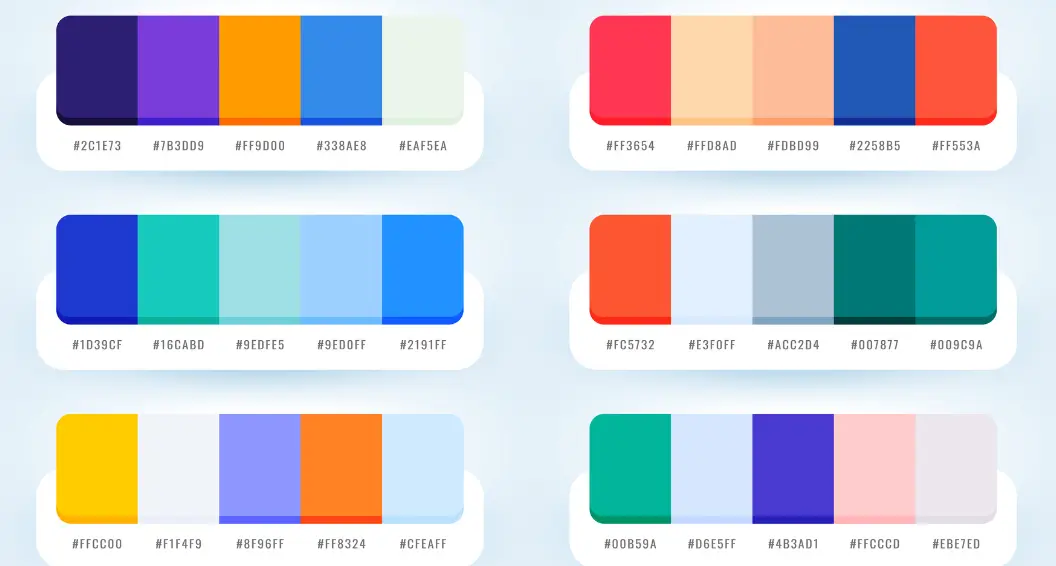
Let me break down the specific colors that will make you look absolutely radiant. I’ve organized them by category to make building your wardrobe intuitive and practical.
Your Best Neutral Colors
True Black: This is your power neutral. Unlike some seasonal types who need to soften black, Dark Winters can wear pure black head-to-toe and look sophisticated rather than harsh.
Pure White: Crisp, bright white provides stunning contrast against your features. Skip ivory and cream—they’ll make you look washed out.
Charcoal Gray: A deep, cool gray works beautifully as a professional neutral that’s slightly softer than black.
Navy: Choose the deepest, richest navy—almost black-blue. This becomes an incredibly versatile neutral in your wardrobe.
Dark Taupe: Look for cool-toned taupes with gray undertones, not warm browns. This adds softness without warmth.
Your Signature Bold Colors
Jewel Tones Are Your Best Friend:
- Ruby Red: Deep, cool-toned red with blue undertones
- Emerald Green: Rich, true green without yellow
- Royal Purple: Deep, saturated purple that commands attention
- Sapphire Blue: Clear, intense blue that mirrors precious gemstones
- Magenta: Bright, cool pink with depth and intensity
These colors echo the richness of precious stones, which is exactly the effect you want. In my experience, Dark Winters who embrace jewel tones receive more compliments than when they play it safe with neutrals.
Your Supporting Color Palette
Deep Pinks: Think fuchsia and hot pink rather than soft pastels. Burgundy: Wine-red with cool undertones. Pine Green: Deep forest green with blue undertones. Icy Pastels: When you want lighter colors, choose icy versions—icy pink, icy blue, icy lavender.r True Red: The classic fire engine red works beautifully on you
Colors Dark Winters Should Avoid
Understanding what doesn’t work is just as important as knowing your best colors. Here are the shades that will drain your natural vibrancy:
Warm and Muted Tones
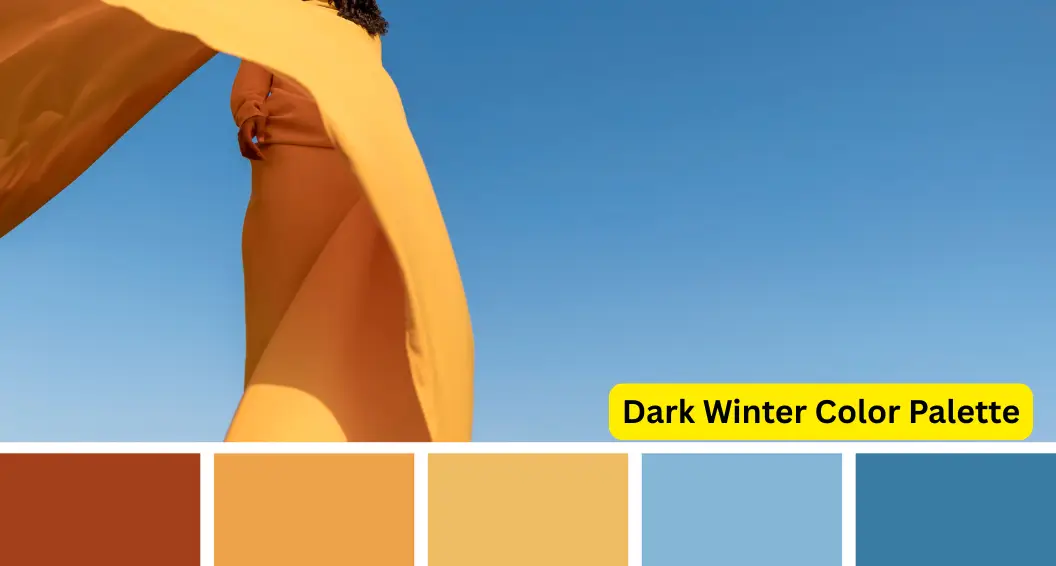
Earth Tones: Orange, rust, terracotta, warm browns, and camel will make you look tired and sallow. These colors need warmth in the skin to harmonize, which Dark Winters don’t possess.
Golden Yellows: Mustard, golden yellow, and warm golds clash with your cool undertones. If you want yellow, opt for lemon or icy yellow instead.
Warm Beiges and Tans: These make Dark Winters disappear. Stick to cool grays and taupes.
Soft and Dusty Pastels
Powder blue, peach, coral, mint green, and soft pastels lack the intensity your features demand. They’ll wash you out rather than enhance your natural coloring. When you want lighter colors, remember: icy, not pastel.
Colors That Create Confusion
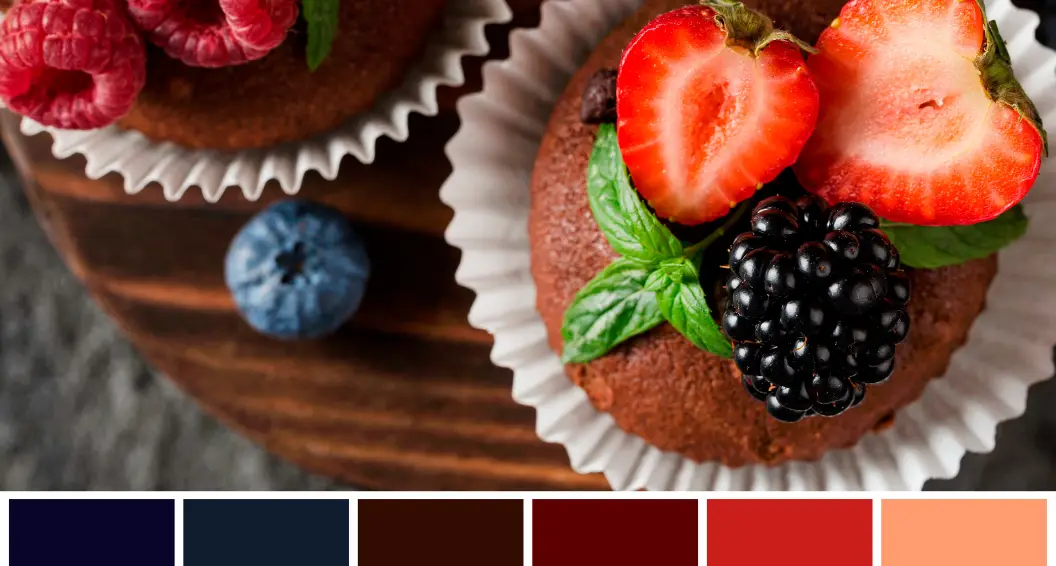
Olive Green: Too warm and muted. Warm Browns: Including chocolate, cognac, and caramel. Soft Purples: Like lavender and lilac (unless they’re icy versions), Peachy Tones: In any form—clothing, makeup, or hair color
Building Your Dark Winter Wardrobe
Now that you know your colors, let’s talk about creating a practical, cohesive wardrobe that makes you look amazing every day.

Creating a Capsule Wardrobe Foundation
Start with these dark winter color palette essentials:
- Three high-quality neutral pieces: Black blazer, charcoal trousers, navy dress
- Two statement jewel-tone pieces: Ruby red blouse, emerald sweater
- White shirts: Crisp white button-downs or t-shirts for contrast
- One pattern piece: Look for patterns combining your best colors
The beauty of knowing your palette is that everything coordinates effortlessly. Your black, navy, and charcoal all work together, and any jewel tone pairs beautifully with these neutrals.
Seasonal Considerations
Winter and Fall: This is when Dark Winters truly shine. Layer your deep colors freely—black wool coat over burgundy sweater over charcoal pants. The cooler weather perfectly complements your cool-toned palette.
Spring and Summer: Don’t abandon your colors; just adjust the fabrics and incorporate your icy pastels. A crisp white linen shirt with sapphire blue shorts works perfectly. Navy sundresses, fuchsia tank tops, and emerald swimwear keep you cool while staying in palette.
Shopping Smart with Your Palette
I always recommend Dark Winters keep a digital swatch of their colors on their phone when shopping. Here’s my practical approach:
The 80/20 Rule: Make 80% of your wardrobe from your core neutrals and deep colors, 20% from your brighter accent colors. This ensures versatility while allowing statement pieces.
Texture Over Color Variety: Since your palette is somewhat limited compared to warm types, invest in different textures—silk, wool, leather, velvet—all in your signature colors.
Quality Over Quantity: Fewer pieces in perfect colors that fit well trump a closet full of “close enough” colors that don’t quite work.

Dark Winter Makeup and Beauty Guidelines
Your dark winter color palette extends beyond clothing into makeup, hair, and accessories.
Makeup Colors That Enhance
Lip Colors:
- Deep berry, wine, true red, hot pink, burgundy, and even deep purple
- Avoid: Warm corals, peaches, orange-reds, brown-based nudes
Eye Makeup:
- Jewel-toned eyeshadows in emerald, sapphire, and amethyst
- Cool-toned browns (with gray undertones)
- Black or navy eyeliner
- Avoid: Warm browns, gold, bronze
Blush and Cheeks:
- Cool pink, fuchsia, berry tones
- Avoid: Peachy, coral, warm pink
Hair Color Considerations
Your natural hair color likely already suits you perfectly. If you’re considering changes:
Flattering options: Deep espresso brown, blue-black, cool-toned dark auburn, silver-gray highlights. Avoid: Golden blonde, warm highlights, caramel, honey tones, warm reds

Accessories and Metals for Dark Winter
Jewelry Metals
Silver is your signature metal. White gold, platinum, and silver all complement your cool undertones beautifully. Rose gold can work if it’s more purple-pink than orange-gold.
Avoid yellow gold—it creates a warm cast that fights against your natural coloring.
Accessory Colors
Bags, shoes, and belts in black, navy, burgundy, or deep jewel tones always work. A burgundy leather bag or emerald silk scarf becomes a signature piece that pulls outfits together.
Common Dark Winter Mistakes and How to Fix Them
Through working with many Dark Winters, I’ve noticed these frequent pitfalls:
Mistake #1: Playing It Too Safe
Many Dark Winters stick exclusively to black and white, missing out on their gorgeous jewel tones. Fix: Add one jewel-tone piece per outfit for visual interest.
Mistake #2: Falling for Trends in Wrong Colors
Just because millennial pink or terracotta is trending doesn’t mean it belongs in your wardrobe. Fix: Look for trend silhouettes and styles in your correct colors.
Mistake #3: Attempting Warm Tones
Thinking “a little warm won’t hurt” leads to outfits that feel “off.” Fix: Trust your palette completely. Every warm tone can be substituted with a cool alternative.
Mistake #4: Wrong Undertone Foundation
Wearing warm-toned foundation creates a disconnect between your face and your natural coloring. Fix: Choose cool or neutral-based foundations that match your natural undertones.
Dark Winter vs. Other Winter Types
Understanding where you fit in the Winter family helps refine your choices:
True Winter: More equally balanced between dark and bright; can wear slightly lighter colors. Bright Winter: More emphasis on clarity and brightness; can handle more vivid neon.Dark Winter: Depth is paramount; stick to rich, intense shades
If you’re unsure between Dark Winter and Dark Autumn, the key differentiator is undertone. Dark Autumn has warmth and can wear warm browns beautifully. Dark Winter is decidedly cool.
Implementing Your Color Palette: A Step-by-Step Action Plan
Ready to transform your style? Here’s your practical roadmap:
- Audit your current wardrobe: Pull everything in your best colors to the front; note what you’re missing
- Create a donation pile: Release colors that don’t serve you (warm tones, soft pastels)
- Make a strategic shopping list: Focus on gaps in your neutrals first, then add jewel-tone pieces
- Update your makeup: Invest in one perfect red lipstick and one jewel-toned eyeshadow palette
- Take photos: Document outfits in your colors vs. wrong colors to see the difference yourself
Conclusion: Embrace Your Dark Winter Power
The dark winter color palette isn’t about restriction—it’s about liberation. Once you know your colors, getting dressed becomes effortless, shopping becomes efficient, and you consistently look polished and confident. Your high-contrast, striking features deserve equally bold and beautiful colors.
Remember these key takeaways: stick to deep, cool, clear colors; make black and jewel tones your staples; avoid warm and muted shades; and trust that your palette works across all aspects of your appearance, from clothing to makeup.
I’d love to hear about your Dark Winter journey. What’s been your biggest revelation since discovering your palette? Drop a comment below sharing your favorite jewel tone or your worst color mistake before finding your season. And if you found this guide helpful, share it with someone else who might be a Dark Winter, too!
What color in your closet makes you feel most confident—and does it align with your Dark Winter palette?
Frequently Asked Questions
Can Dark Winters wear brown?
Avoid warm browns like camel or tan. Stick to cool dark browns with gray undertones, or opt for charcoal and navy instead.
What metals look best on Dark Winter?
Silver, white gold, and platinum flatter your cool undertones. Avoid yellow gold; rose gold only works if it’s pinkish-cool.
Can Dark Winters wear black and white together?
Yes! Dark Winters look stunning in high-contrast black and white—it highlights your sharp, cool features beautifully.
How do I know if I’m Dark Winter or Dark Autumn?
Dark Autumns glow in warm browns and rusts; Dark Winters shine in cool jewel tones. Test both palettes near your face in natural light.
5. Can Dark Winters wear pastel colors?
Yes, but choose icy pastels like icy pink or blue. Avoid warm, muted pastels that dull your natural contrast.