Share This Article
I spent my first winter in Chicago wearing cute boots with zero insulation and a wool coat that looked amazing but left me shivering at every bus stop. I was freezing constantly, but thought I looked good, which somehow made it okay. Spoiler: it didn’t.
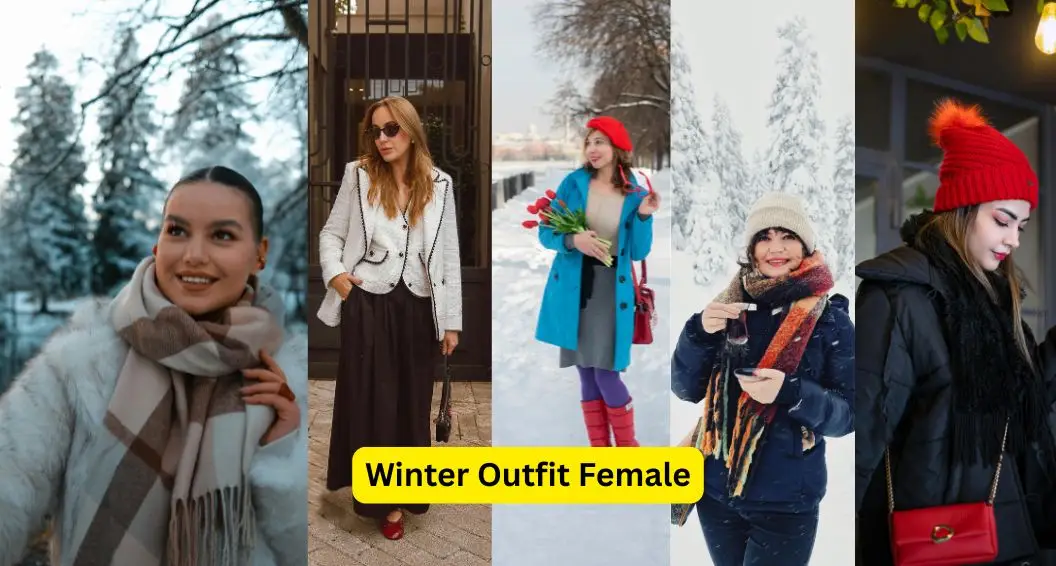
After five winters of trial and error—and way too much money spent on clothes that didn’t actually keep me warm—I’ve figured out how to build a winter outfit female wardrobe that actually works. The secret isn’t buying the most expensive parka or piling on every sweater you own.
You need a strategy. One that keeps you warm without making you look like a marshmallow, lets you transition from outdoors to heated buildings without overheating, and actually works with your real life. I’m sharing the exact formulas I use, the pieces worth investing in, and the mistakes that wasted my money so you can skip them.
Understanding Winter Layering Basics
Most people either overdress and sweat or underdress and freeze. There’s a middle ground, but it requires knowing how layers actually work.
I used to throw on a thick sweater under my coat and call it done. Then I’d get on the subway, start sweating, and arrive at work damp and uncomfortable. Or I’d dress for indoor temperatures and spend my entire walk to the office shivering.

The Three-Layer System That Actually Makes Sense
Your base layer manages moisture. This is the stuff touching your skin—it should wick sweat away, not trap it. Cotton is terrible for this. I learned this on a snowy hike when my cotton long-sleeve shirt got damp from sweat and stayed wet for hours. I was colder than if I’d worn nothing.
Go for synthetic or merino wool. I have three Uniqlo Heattech tops that cost $15 each, and I rotate them all winter. They’re thin enough to wear under anything but keep me noticeably warmer.
Your middle layer provides insulation. This is where warmth happens—sweaters, fleece, down vests. The goal is to trap warm air close to your body. I prefer lightweight fleeces or thin sweaters that I can remove easily when I’m indoors.
Your outer layer blocks wind and moisture. This is your coat or jacket. It doesn’t need to be super thick if your base and middle layers are doing their jobs. My warmest winter setup involves a thin base layer, a medium-weight sweater, and a good windproof coat. I’m warmer in that than I ever was in just a heavy coat over a t-shirt.
Why Material Matters More Than Thickness
I owned a super thick polyester coat from Target that looked warm but did almost nothing. Meanwhile, my thinner wool coat kept me way warmer. The material determines how well it insulates and whether it’ll actually protect you.
Wool regulates temperature naturally. It keeps you warm when it’s cold and doesn’t make you overheat when you’re indoors. My wool coats have lasted years longer than synthetic ones, and they still look decent even with heavy wear.
Down is unbeatable for warmth-to-weight ratio. My packable down jacket stuffs into a tiny bag but keeps me warm in below-freezing temps. The downside? It’s useless when wet and needs careful washing.
Fleece is perfect for middle layers because it’s lightweight, breathable, and dries fast. I have a North Face fleece I bought six years ago for $60 that I still wear multiple times a week in winter.
Avoid cotton in winter. It absorbs moisture, takes forever to dry, and will leave you cold and clammy. I still see people wearing cotton hoodies as their main layer, and I want to hand them a proper fleece.
Building Your Core Winter Outfit Female Wardrobe
You don’t need 50 pieces. You need the right 10-15 items that mix and match.
I used to buy random winter clothes on sale without thinking about how they’d work together. I’d end up with a closet full of stuff but nothing to wear. Now I stick to a neutral base with a few statement pieces that work for any winter outfit, female style.
The Coat Situation
You probably need two coats, not one. A heavy-duty one for brutal cold days and a lighter one for milder weather or running errands.
My everyday winter coat is a wool blend from J.Crew. I got it on sale for $180 four years ago. It hits mid-thigh, has deep pockets, and the charcoal gray goes with everything. This handles most winter days when temperatures are 20-40°F.
For the really cold days—below 20°F or when there’s serious wind—I have a longer puffer from Eddie Bauer. It’s not cute, but it works. I spent $200 on it and don’t regret it because I’m actually warm when I wear it.
The biggest mistake people make is buying a coat that looks great but doesn’t close properly or leaves gaps. If cold air can get in at your neck, wrists, or waist, your coat isn’t doing its job.
Sweaters Worth Your Money
I have five sweaters that I rotate all winter. That’s it. There are merino wool sweaters from Everlane (around $100 each), one’s a chunky knit from H&M ($35), and one’s a cashmere sweater I thrifted for $20.
The merino wool ones are my workhorses. They don’t pill as badly as cheaper sweaters, they regulate temperature well, and I can wear them multiple times before washing without them getting gross. Worth the investment if you wear sweaters constantly.
Avoid super chunky cable knits unless you have a roomy coat. I bought a gorgeous oversized sweater that I could barely fit under my winter coat. It became an indoor-only sweater, which defeated the purpose.
Cardigans are more versatile than pullovers. You can adjust them throughout the day as temperatures change, and they’re easier to take on and off without messing up your hair.
Bottoms That Keep You Warm
I used to wear regular jeans all winter and just suffer through cold legs. Then I discovered fleece-lined leggings and my whole life changed.
The $12 fleece-lined leggings from Amazon are my secret weapon. I wear them under everything—jeans, dresses, skirts. They’re thin enough that they don’t add bulk but warm enough that I’m never cold.
For actual pants, I prefer wool-blend trousers or thicker denim. My Madewell jeans in their heavier denim weight are noticeably warmer than my lightweight summer jeans. Small difference in fabric weight, huge difference in comfort.
Skirts and dresses work in winter if you layer properly. Fleece-lined tights or leggings underneath, knee-high boots, and you’re good. I wear dresses all winter because the layering options are actually better than with pants.

Boots That Do More Than Look Good
I’ve bought so many cute winter boots that fell apart after one season or left my feet freezing. Now I’m picky.
My Blundstone Chelsea boots cost $200 and have lasted three winters of daily wear. They’re waterproof, insulated, have good traction, and I can slip them on in 10 seconds. Best winter purchase I’ve made.
For snow and serious cold, I have Sorel boots. They’re not stylish, but when there’s six inches of snow, and it’s 15°F, I don’t care. My feet stay warm and dry, and the tread actually works on ice.
The sole matters more than you think. Smooth-bottomed boots on icy sidewalks are a hospital visit waiting to happen. I slipped and fell in front of my office building because my cute boots had zero traction. Embarrassing and painful.
Make sure there’s actual insulation, not just a fleece lining. Fleece helps, but proper insulation (like Thinsulate) is what keeps your feet warm when it’s actually cold outside.
Winter Outfit Female Ideas For Different Scenarios
Having a few go-to formulas makes getting dressed so much easier when you’re half-asleep, and it’s dark outside.
The Office Commute Look
Base layer thermal top, wool trousers or jeans with fleece-lined leggings underneath, merino wool sweater, wool coat, leather boots, and a scarf. This gets me through my 20-minute walk to work without freezing, but I don’t overheat once I’m in the heated office.
I keep a cardigan at my desk for when the office AC is blasting, because somehow my office is both too cold and too hot depending on where you sit.
The key is removing layers strategically. I take off my coat and scarf immediately, keep my sweater on until I warm up, then switch to just the base layer or add the cardigan if needed.
Weekend Errands In The Cold
Fleece-lined leggings, oversized sweater or sweatshirt, puffer coat, Blundstone boots, and a beanie. This is my uniform for grocery shopping, walking the dog, or running around town.
It’s comfortable, warm enough for a brief time outside, and I don’t care if it gets dirty or wet. I’m not trying to impress anyone at Target on a Saturday morning.
Add a crossbody bag so your hands are free, and you’re set. I learned the hard way that juggling shopping bags with regular purses in winter is miserable.
Going Out When It’s Freezing
This is where planning a winter outfit, female style, gets annoying. You want to look nice, but you also need to not freeze on the walk from the parking lot or train.
I wear a dress or nice top with jeans, fleece-lined tights if it’s a dress, knee-high boots, and my wool coat. Then I bring a small bag with my nice shoes if my boots don’t work with the outfit.
Check if there’sa coat check. If yes, you can wear your warmest, ugliest coat because you’ll be checking it anyway. If not, you’re stuck with your coat on your chair all night, so choose accordingly.
I keep a fold-up tote in my purse for storing layers. Scarf, hat, gloves—they all go in there once I’m inside, so I’m not juggling everything.
The Layered Dress Approach
Thermal leggings or fleece-lined tights, midi or knee-length dress (sweater dresses work great), chunky cardigan or blazer, tall boots, tights, coat, and scarf. This is my favorite winter outfit formula because it feels more put-together than jeans but is just as warm.
I have a black sweater dress from Everlane that I’ve worn at least 50 times. With different cardigans, boots, and accessories, it looks different every time. Best $80 I’ve spent.

The Casual Chic Winter Look
Black skinny jeans, turtleneck sweater, long wool coat, ankle boots, and a leather crossbody bag. This works for everything from coffee dates to casual dinners to shopping trips.
The turtleneck eliminates the need for a scarf on milder days. I have them in black, cream, and burgundy from Uniqlo—$20 each, and they’ve lasted three years with regular wear.
Skinny jeans tuck easily into boots, which prevents cold air from creeping up your legs. I wear fleece-lined leggings underneath when it’s really cold, and nobody can tell.
Accessories That Actually Keep You Warm
Accessories aren’t optional in real winter. They’re necessary.
Scarves As Functional Insulation
I have three scarves: one wool, one cashmere blend, and one chunky knit. That’s enough to rotate through and keep things interesting.
The wool one from Uniqlo cost $20 and is my most-used. It’s big enough to wrap multiple times for extra warmth, and I don’t worry about it getting dirty.
Learn to tie a scarf properly. The Parisian knot (fold in half, loop the ends through) stays put way better than just draping it around your neck. I spent years with my scarf slipping off before someone showed me this.
Infinity scarves are easier but less versatile. They’re one set size, so you can’t adjust warmth levels. I prefer regular scarves.

Hats That Don’t Ruin Your Hair
I avoided hats for years because of hat hair. Then I realized being warm was more important than perfect hair, and I got over it.
Beanies arethe warmest, but definitely mess up your hair. I wear them on weekends or when I’m working from home. My favorite is from Target, cost $10, and I have it in three colors.
Berets are more style-friendly and cause less hair damage. They don’t cover your ears completely, so they’re better for milder winter days. One of my favorites is a wool one that I bought in Other Stories and wear it all the time.
Earmuffs are underrated. They keep your ears warm without the hat hair issue. I keep a pair in my coat pocket for when it’s windy but not cold enough for a full hat.

Gloves You Won’t Lose Immediately
I lose gloves constantly. So I buy cheap ones in multipacks.
My everyday gloves are touchscreen-compatible ones from Amazon—$15 for two pairs. When I inevitably lose one, I have backups. They’re thin enough to fit in pockets but warm enough for most days.
For seriously cold weather, I have insulated mittens. Mittens are also warmer than gloves since your fingers help to keep each other warm. They’re not practical for texting or doing anything that requires dexterity, but they work when it’s below 20°F.
Keep an extra pair in your bag. I can’t tell you how many times I’ve been saved by backup gloves when I forgot or lost my main pair.
Common Winter Dressing Mistakes
I’ve made all of these. Learn from my failures.
Wearing your warmest coat every single day leads to it wearing out faster. I destroyed a coat I loved by wearing it constantly instead of rotating between two. Plus, you’ll overheat on milder days and end up carrying it.
Buying cheap boots seems smart until they fall apart mid-winter. I went through three pairs of $40 boots in one season before investing in good ones. Those cheap boots ended up costing me more than if I’d just bought quality ones initially.
Ignoring your neck and wrists. These are major heat-loss points. If your coat sleeves are too short or you skip a scarf, you’ll be cold no matter how thick your coat is. I learned this when I couldn’t figure out why I was freezing in a warm coat—turned out the wrists had half-inch gaps.
Over-layering to the point where you can’t move. I’ve seen people wearing so many layers they can barely put their arms down. That’s not functional. You should be able to move normally and remove layers as needed.
Forgetting about indoor temperature. You’ll be in heated spaces most of the day. Dress for the coldest part (your commute), but make sure you can remove enough layers to be comfortable inside.
Conclusion
Staying warm in winter doesn’t mean sacrificing style—it just means dressing smarter. When you focus on layering properly, choosing the right materials, and investing in a few reliable pieces, putting together a winter outfit becomes simple instead of stressful. Build a wardrobe that fits your real life and climate, and you’ll spend less time freezing (or overheating) and more time actually enjoying the season—while still looking cute and put-together.
Frequently Asked Questions
1. How can I look cute but stay warm in winter?
Use the three-layer system (base, middle, outer) and choose fitted layers to avoid bulk while staying warm.
2. What is the warmest material for winter outfits?
Wool and down are the warmest. Merino wool is great for layering without overheating.
3. Can I wear dresses or skirts in winter?
Yes, just add fleece-lined tights or thermal leggings and tall boots for extra warmth.
4. How many winter coats do I really need?
Ideally, two: a heavy coat for extreme cold and a lighter one for milder days.
5. What’s the biggest winter outfit mistake to avoid?
Wearing cotton as a base layer—it traps moisture and makes you colder instead of warm.