Share This Article
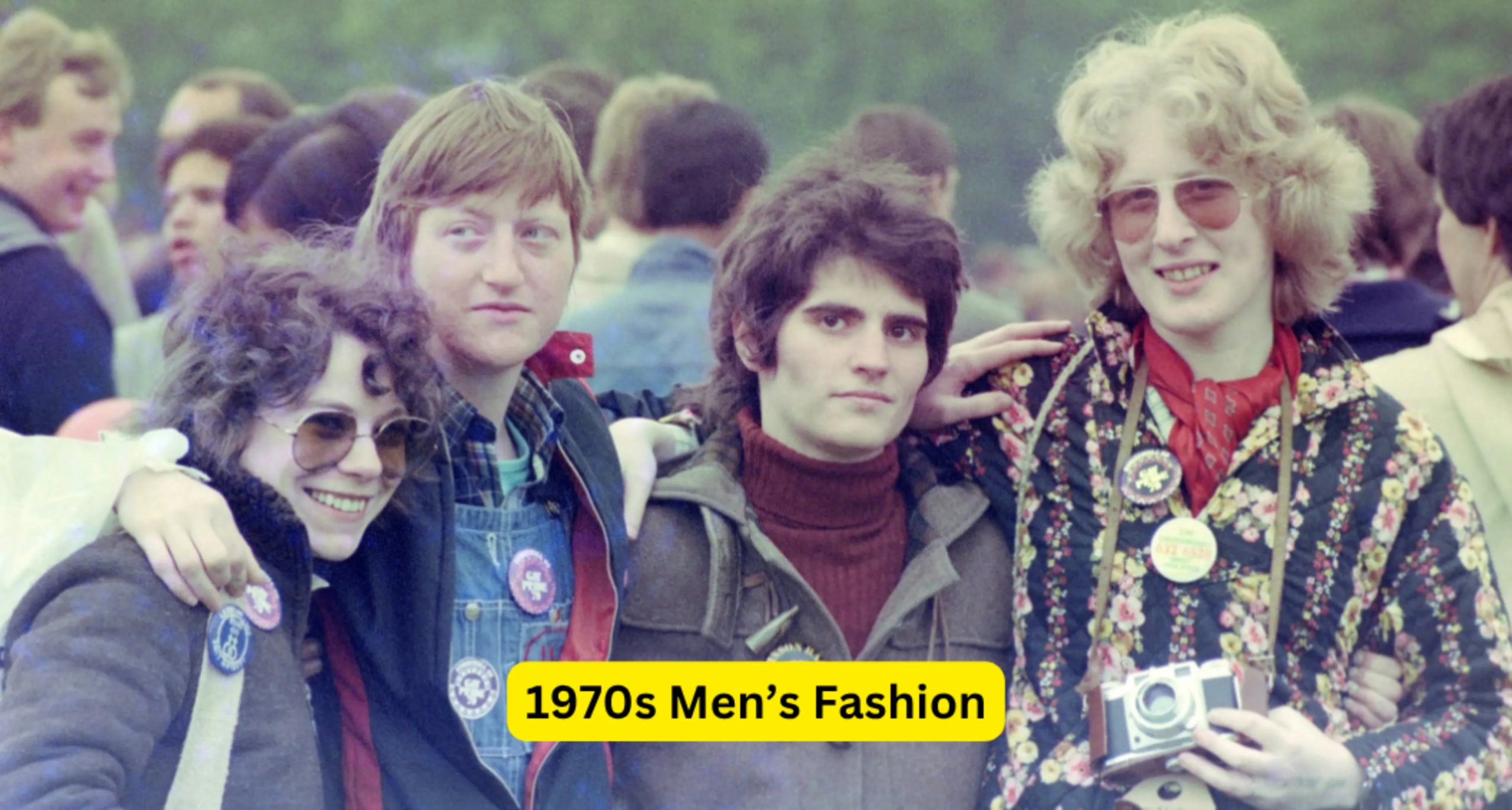
Have you ever wondered why the 1970s continue to influence modern menswear? The decade that gave us disco balls, rock anthems, and cultural revolutions also transformed men’s fashion in ways we’re still seeing on runways today. From bell-bottoms that swept dance floors to leisure suits that redefined casual sophistication, the 1970s were a time when men’s fashion broke free from conservative constraints and embraced bold self-expression.
In my years studying fashion history, I’ve found that no other decade experienced such dramatic shifts in menswear. The 1970s men’s fashion scene was more than just clothing—it was a statement of liberation, individuality, and cultural transformation. Whether you were a disco king, a rock rebel, or a business professional, fashion became a powerful tool for identity.
This comprehensive guide will walk you through everything you need to know about 1970s men’s fashion. You’ll discover the iconic trends that defined the era, understand the cultural movements that shaped these styles, and learn how these vintage looks continue influencing contemporary menswear. By the end, you’ll have a complete picture of why this decade remains one of the most fascinating periods in fashion history.
The Cultural Context Behind 1970s Men’s Fashion
The Social Revolution That Changed Everything
The 1970s didn’t emerge in a vacuum. Following the counterculture movements of the 1960s, men’s fashion in the 1970s reflected a society demanding change. The women’s liberation movement, civil rights progress, and anti-establishment sentiments all contributed to a fashion landscape where traditional masculine dress codes were challenged and reimagined.
Men began experimenting with colors, patterns, and silhouettes that would have been unthinkable just a decade earlier. Fashion became democratized—you didn’t need to be wealthy to express yourself through clothing. This accessibility transformed how everyday men approached their wardrobes.
Music’s Powerful Influence on Style
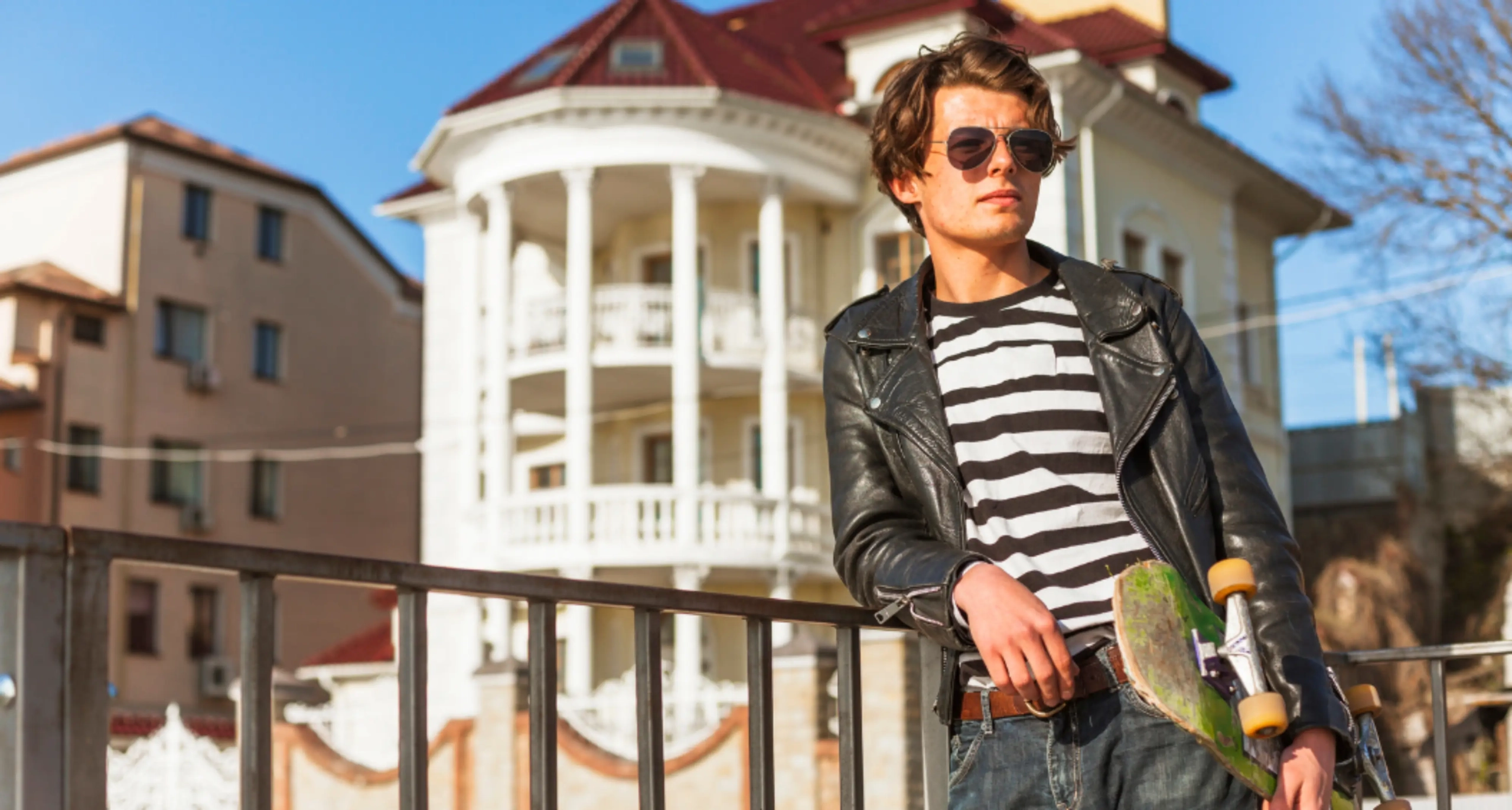
Music genres directly shaped 1970s menswear aesthetics. Disco culture brought us shimmering fabrics, open-collar shirts, and platform shoes. Rock music inspired leather jackets, denim, and rebellious accessories. Funk and soul artists popularized bold patterns and statement jewelry. Each musical movement created its own fashion tribe, allowing men to align their appearance with their cultural values.
I’ve noticed that many contemporary fashion trends trace their roots directly back to these music-inspired movements. The connection between sound and style has rarely been stronger than it was during this transformative decade.
Iconic 1970s Men’s Fashion Trends
Bell-Bottoms and Wide-Leg Trousers
Perhaps nothing says “1970s” quite like bell-bottom pants. These flared trousers started narrow at the thigh and dramatically widened from the knee down, creating a distinctive silhouette that dominated the decade. Initially borrowed from naval uniforms, bell-bottoms became a symbol of anti-establishment youth culture.
Key characteristics included:
- Flares starting at or below the knee
- Made from denim, corduroy, or polyester
- Often paired with platform shoes for added height
- Available in various colors and patterns
The wide-leg trouser trend extended beyond bell-bottoms to include palazzo pants and flared dress trousers. Men wore these styles everywhere—from casual outings to formal business settings. The emphasis on leg-lengthening silhouettes represented a departure from the slim, conservative cuts of previous decades.
The Legendary Leisure Suit
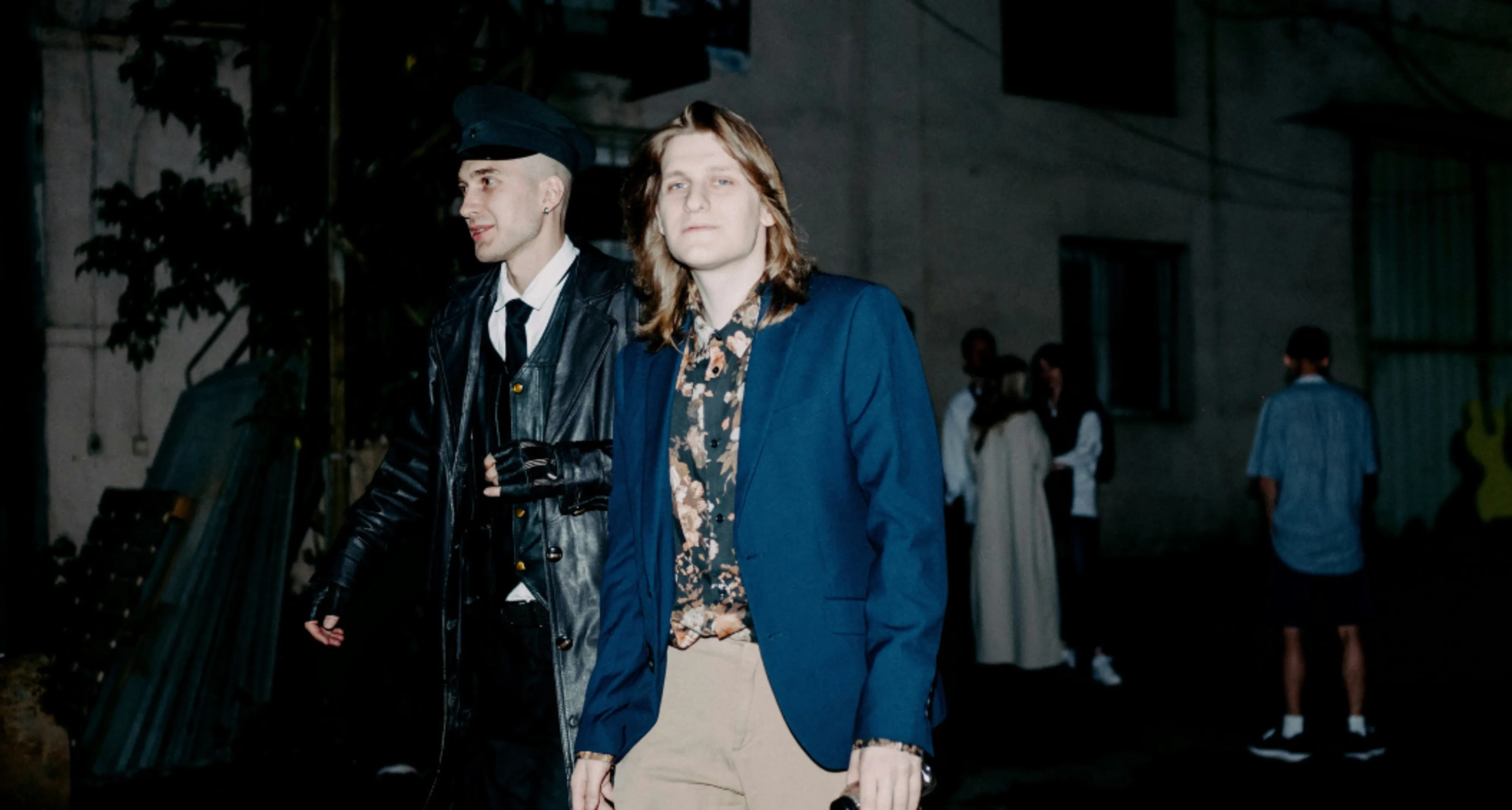
The leisure suit deserves its own fashion hall of fame. This matching jacket and trouser set, typically made from polyester, became the unofficial uniform of 1970s casual sophistication. Originally designed for resort wear, the leisure suit quickly infiltrated everyday wardrobes across America.
Leisure suit essentials:
- Matching jacket and pants in the same fabric
- Often featured in earth tones, pastels, or bold colors
- Made primarily from easy-care polyester blends
- Worn with open-collar shirts, often in contrasting colors
While the leisure suit has become a fashion punchline today, it represented something revolutionary at the time. Men could look polished without wearing traditional suits, bridging the gap between formal and casual wear in unprecedented ways.
Platform Shoes and Bold Footwear
Platform shoes weren’t just for women in the 1970s. Men embraced elevated footwear with enthusiasm, wearing platforms that added anywhere from one to four inches of height. These shoes complemented the era’s flared trousers perfectly, creating a balanced proportion.
From platform boots to chunky-soled dress shoes, footwear became a statement piece. Materials ranged from leather to suede, and colors spanned the entire spectrum. Some designs featured contrasting platform colors or textured soles that added visual interest.
Turtlenecks and Mock Necks
The turtleneck became a sophisticated staple in the 1970s men’s fashion. Moving away from the button-down collar dominance of previous decades, men embraced close-fitting, high-neck sweaters that could be dressed up or down. Designers and celebrities alike wore turtlenecks in various contexts, from casual weekend wear to layered under blazers for evening events.
These versatile pieces came in solid colors, patterns, and different fabric weights. They represented a more European-influenced aesthetic that American men increasingly adopted throughout the decade.
Colors, Patterns, and Fabrics That Defined the Era
The Earth Tone Revolution
If the 1960s were about bright, psychedelic colors, the 1970s shifted toward earth tones. Harvest gold, burnt orange, avocado green, and chocolate brown dominated men’s wardrobes. These colors reflected a growing environmental consciousness and a desire to connect with nature.
Popular color combinations included:
- Brown and orange
- Green and tan
- Rust and cream
- Mustard and chocolate
These muted, natural hues appeared on everything from shirts to suits to outerwear. Men could finally escape the black-white-gray palette that had dominated menswear for generations.
Bold Patterns Make Their Mark
The 1970s weren’t subtle when it came to patterns. Wide stripes, paisley prints, geometric designs, and floral motifs all found their way into men’s clothing. Mixing patterns became acceptable, even encouraged, as men experimented with visual complexity in their outfits.
Plaid shirts in oversized checks became casual staples, while disco culture introduced metallic patterns and shimmering fabrics. The decade proved that masculine fashion could be both bold and sophisticated.
The Polyester Revolution
Love it or hate it, polyester defined 1970s men’s fashion from a fabric perspective. This synthetic material offered several practical advantages: it was affordable, wrinkle-resistant, and easy to care for. Polyester shirts, pants, and suits flooded the market, making fashionable clothing accessible to men across all economic backgrounds.
However, polyester’s breathability issues and sometimes uncomfortable feel have become legendary. Despite its drawbacks, the fabric’s role in democratizing fashion cannot be overlooked.
Essential 1970s Wardrobe Pieces
The Button-Down Shirt Revolution
While button-downs existed long before the 1970s, this decade transformed how men wore them. Wide, pointed collars replaced the narrow collars of the 1960s. Men wore these shirts open at the collar, often revealing chest hair and gold chains—a stark contrast to the buttoned-up conservatism of previous eras.
Shirt patterns exploded in variety and boldness. Floral prints, abstract designs, and gradient colors became mainstream. Fabrics ranged from traditional cotton to synthetic blends with distinctive textures and sheens.
Denim Everything
Denim moved beyond just jeans in the 1970s. Men wore denim jackets, shirts, vests, and even full denim suits (the infamous “Canadian tuxedo”). This casual fabric became acceptable in increasingly formal settings, reflecting the decade’s overall relaxation of dress codes.
Jean styles varied from tight-fitting to dramatically flared. Decorative elements like embroidery, patches, and contrasting stitching added personality to denim pieces. The fabric’s durability and versatility made it a democratic fashion choice that transcended social classes.
Outerwear Innovation
The 1970s introduced several distinctive outerwear styles. Bomber jackets, suede coats, and Afghan-style sheepskin jackets became popular alternatives to traditional overcoats. Length varied from waist-length jackets to mid-thigh coats, giving men more styling options.
Leather jackets continued their evolution, moving beyond motorcycle culture into mainstream fashion. Men paired leather with everything from jeans to dress pants, creating rugged yet polished looks.
How 1970s Men’s Fashion Influences Today’s Trends
The Cyclical Nature of Fashion
Fashion operates in cycles, and we’re currently experiencing a major 1970s revival. Contemporary designers regularly reference this era in their collections, bringing updated versions of vintage styles to modern runways. From Gucci’s flared trousers to Tom Ford’s wide-collar shirts, the 1970s aesthetic continues to captivate fashion-forward men.
In my experience observing fashion trends, I’ve noticed that younger generations particularly embrace 1970s-inspired pieces. The era’s emphasis on individuality and self-expression resonates with today’s values around personal style and authenticity.
Modern Takes on Classic Styles
Today’s fashion market offers 1970s-inspired pieces with contemporary updates. Flared trousers come in modern fabrics with improved fits. Platform shoes feature ergonomic designs and comfortable materials. Wide-collar shirts incorporate performance fabrics alongside traditional cotton.
The key difference is refinement. Modern designers take the bold spirit of men’s fashion in 1970’s and filter it through contemporary tailoring techniques and quality standards. The result is clothing that captures the era’s essence while meeting today’s expectations for comfort and durability.
Celebrity Endorsement and Street Style
Celebrities and influencers have embraced 1970s aesthetics, bringing these styles to mainstream attention. Musicians, actors, and fashion icons regularly incorporate vintage-inspired pieces into their wardrobes, demonstrating the timeless appeal of this era’s fashion principles.
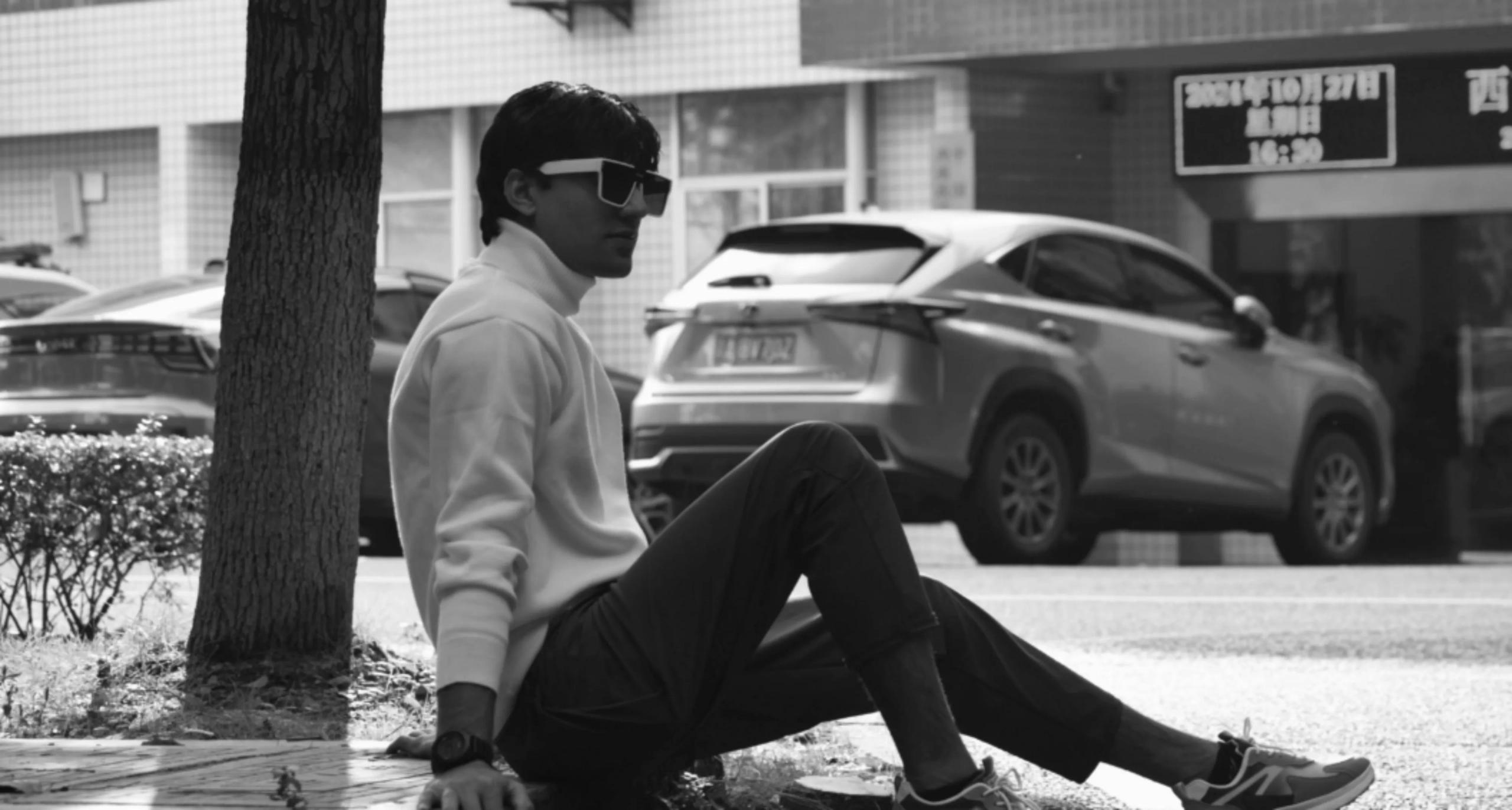
Street style photography reveals how everyday men integrate 1970s elements into modern outfits. A vintage band tee paired with contemporary jeans, platform sneakers with athletic wear—these combinations show how the decade’s influence extends beyond pure vintage recreation.
Conclusion
The 1970s men’s fashion revolution represented more than just clothing changes—it embodied a fundamental shift in how men approached self-expression and identity. From the legendary bell-bottoms that swept dance floors to the ultimate leisure suits that redefined casual elegance, this decade gave men permission to experiment, take risks, and embrace color, pattern, and personality in their wardrobes.
The essential elements we’ve explored—bold patterns, earth tones, innovative silhouettes, and democratic fabrics—continue influencing menswear today. Whether you’re drawn to the disco glamour, rock rebellion, or casual sophistication of the era, the 1970s offer endless inspiration for contemporary style.
As fashion continues its cyclical journey, the 1970s remind us that great style transcends time. The decade’s emphasis on individuality, comfort, and breaking traditional rules remains remarkably relevant in our current fashion landscape.
What’s your favorite 1970s men’s fashion trend? Would you incorporate any of these vintage styles into your modern wardrobe? Share your thoughts in the comments below, and let’s celebrate this amazing era together!
Frequently Asked Questions
1. What defined 1970s men’s fashion?
Bold colors, flared trousers, wide collars, and statement suits made the 1970s a decade of fearless self-expression in menswear.
2. Why were leisure suits popular in the 1970s?
Leisure suits offered men stylish comfort—perfect for both casual and social occasions—symbolizing relaxed sophistication.
3. What colors were trendy in 1970s men’s fashion?
Earth tones ruled the decade: think burnt orange, avocado green, mustard yellow, and rich browns.
4. How does 1970s fashion influence modern style?
Modern designers revive flares, turtlenecks, and bold prints—bringing 1970s individuality into today’s menswear.