


Share This Article
Have you ever struggled through a workout feeling uncomfortable, distracted by chafing fabric, or overheating in the wrong gear? You’re not alone. The right athletic wear can be the difference between a mediocre workout and crushing your fitness goals. I’ve spent years testing everything from budget basics to premium performance gear, and I can tell you this: what you wear matters just as much as how you train.
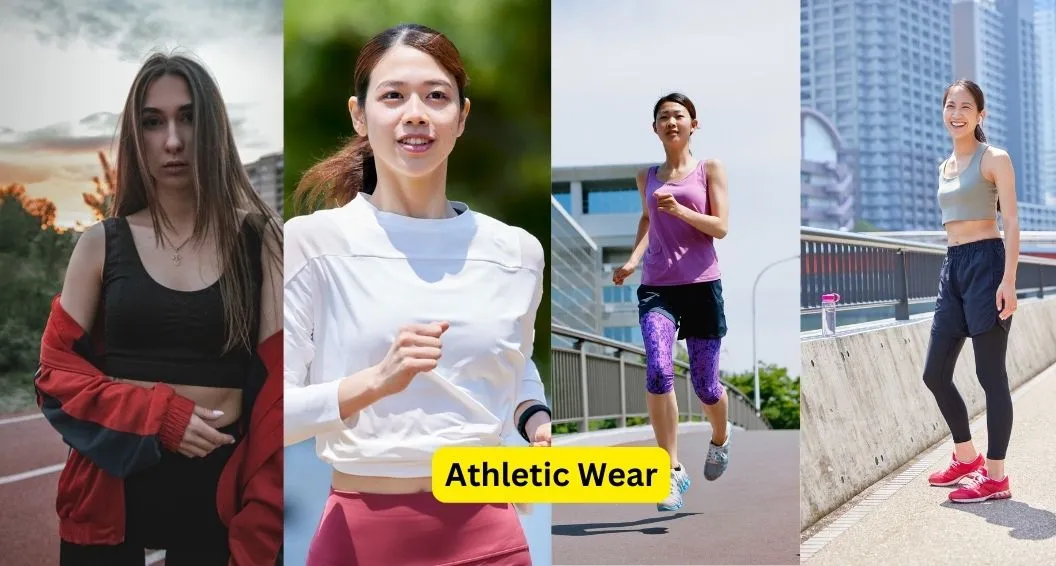
Athletic wear has evolved far beyond basic cotton t-shirts and baggy sweatpants. Today’s performance apparel combines cutting-edge fabric technology, ergonomic design, and style-forward aesthetics to help you look great while performing at your best. Whether you’re a seasoned athlete, weekend warrior, or just starting your fitness journey, understanding the ins and outs of workout clothing will transform how you move.
In this comprehensive guide, you’ll discover everything you need to know about athletic wear—from choosing the right fabrics and fits to building a versatile workout wardrobe that works for any activity. Let’s dive in and find the perfect gear to support your active lifestyle.
Understanding Athletic Wear Fabrics and Materials
The foundation of any quality athletic wear starts with the fabric. Unlike everyday clothing, workout gear must withstand sweat, stretch, movement, and repeated washing while maintaining its shape and function.
Moisture-Wicking Technology
Moisture-wicking fabrics are the backbone of modern athletic wear. These materials pull sweat away from your skin and disperse it across the fabric’s surface, where it evaporates quickly. Polyester, nylon, and specialized blends dominate this category because they’re hydrophobic—meaning they repel water naturally.
In my experience testing various brands, polyester-spandex blends (typically 85/15 or 90/10 ratios) offer the best combination of moisture management and stretch. You’ll stay drier during high-intensity workouts, which prevents that cold, clammy feeling during cool-downs.
Breathable Performance Materials
Breathability determines how well air circulates through your clothing. Mesh panels, perforated fabrics, and open-weave constructions create ventilation zones in high-heat areas like your back, underarms, and chest.
Look for athletic wear with strategic ventilation placement. Premium brands often use zoned construction—combining different fabrics in different areas based on where your body needs cooling versus support.
Compression and Support Fabrics
Compression gear uses tight-fitting, elastane-rich materials to provide muscle support and improve blood circulation. Studies suggest compression athletic wear may reduce muscle fatigue and speed recovery, though individual results vary.
The key is finding the right compression level. Light compression works for everyday training, while graduated compression (tighter at extremities, looser toward core) suits endurance athletes and recovery wear.
Types of Athletic Wear for Different Activities
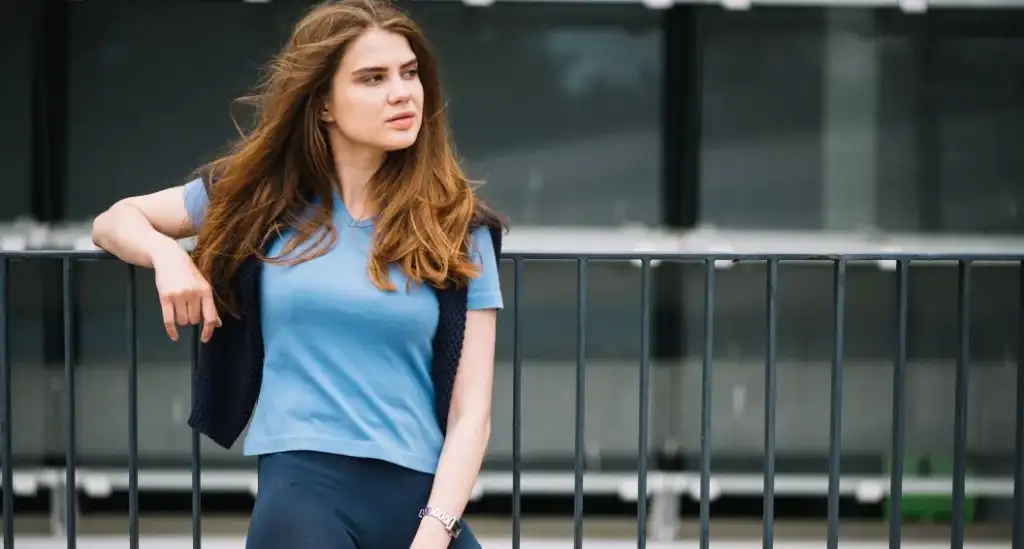
Not all workout clothes serve the same purpose. Your yoga pants won’t perform well during HIIT training, and your running shorts might feel uncomfortable during weightlifting sessions.
Running and Cardio Apparel
Running demands lightweight, non-restrictive athletic wear that moves with your stride. Look for seamless construction or flatlock seams that won’t chafe during long distances. Reflective information provides precautions for early morning or evening running.
For tops, choose fitted or semi-fitted styles that won’t ride up or create wind resistance. Shorts should include built-in liners or brief-style construction for support without bulk. Many runners prefer 5-7 inch inseams for optimal range of motion.
Strength Training Gear
Weightlifting requires durable athletic wear with a bit more structure. Slightly looser tops allow unrestricted shoulder and arm movement for overhead presses and pull-ups. Fitted but not restrictive bottoms prevent fabric from catching on equipment.
Tank tops and muscle tees provide maximum arm mobility, while compression shirts offer support without limiting movement. Bottoms, joggers, or tapered pants prevent catching while maintaining style.
Yoga and Flexibility Workout Clothing
Yoga athletic wear prioritizes four-way stretch, high-rise waistbands, and squat-proof opacity. The fabrics need to stretch significantly without becoming see-through during deep bends and inversions.
High-waisted leggings with wide, non-slip waistbands stay in place through vinyasa flows and headstands. Tops should be long enough to stay tucked or fitted enough to stay in place when inverted. Many yogis prefer form-fitting styles that allow instructors to check alignment.
Multi-Sport Versatile Options
If you cross-train or enjoy variety, invest in versatile athletic wear that transitions between activities. Fitted shorts with 7-9 inch inseams work for running, cycling, and gym workouts. Moisture-wicking tees and tanks suit almost any cardio or strength session.
The best multi-sport pieces balance compression, breathability, and durability without specializing too narrowly for one activity.
Essential Features in Quality Athletic Wear
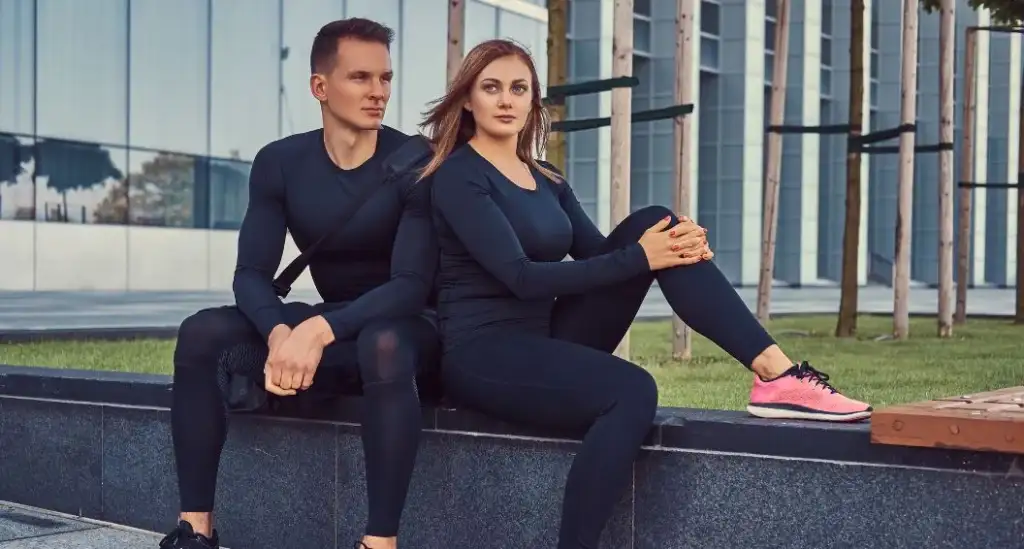
Beyond basic fabric choice, several features separate mediocre workout clothes from exceptional performance gear.
Flatlock Seams and Construction Quality
The flatlock seams are flat rather than raised. This construction method dramatically reduces chafing and irritation during repetitive movements. Check the seams along inner thighs, underarms, and shoulders—areas most prone to friction.
Quality athletic wear also features reinforced stitching at stress points like waistbands, hems, and pocket openings. These details extend garment lifespan significantly.
Pockets and Storage Solutions
Functional pockets transform athletic wear from basic to practical. Side pockets should be deep enough for phones (most accommodate devices up to 6.5 inches). Back zippered pockets secure keys and cards during high-impact activities.
Some brands include specialized features like hidden waistband pockets, media ports for headphone cords, or loops for towels and accessories.
Anti-Odor and Antimicrobial Treatments
Even with excellent moisture-wicking, bacteria can accumulate in athletic wear and cause persistent odors. Anti-odor treatments use silver ions, copper, or other antimicrobial agents to inhibit bacterial growth.
These treatments maintain freshness between washes and extend the usable life of workout clothes. While they eventually fade with repeated washing, quality treatments last through dozens of cycles.
Building Your Athletic Wear Wardrobe
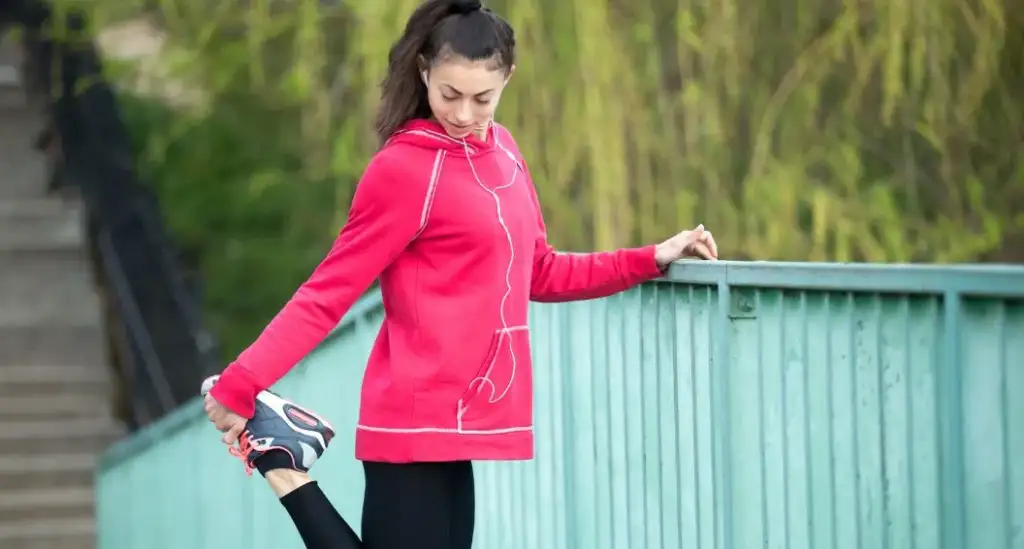
Creating a functional workout wardrobe doesn’t require endless pieces. Strategic selection gives you maximum versatility with minimal investment.
The Core Essentials
Start with these foundation pieces:
- 3-4 moisture-wicking tops in neutral colors (black, gray, navy)
- 2-3 pairs of athletic leggings or shorts that work across multiple activities
- 1-2 sports bras with appropriate support levels for your activities
- 1 lightweight jacket for outdoor workouts and layering
- Quality athletic socks designed for your primary activities
This basic collection covers most workout scenarios while everything coordinates effortlessly.
Seasonal Considerations
Summer athletic wear should maximize breathability and UV protection. Look for lightweight fabrics rated UPF 50+ for outdoor activities. Loose-fitting tops and ventilated designs keep you cooler in heat and humidity.
Winter requires layering capability. Base layers should wick moisture, mid-layers provide insulation, and outer layers block wind and precipitation. Thermal athletic wear with brushed interiors traps warmth without bulk.
Color and Style Choices
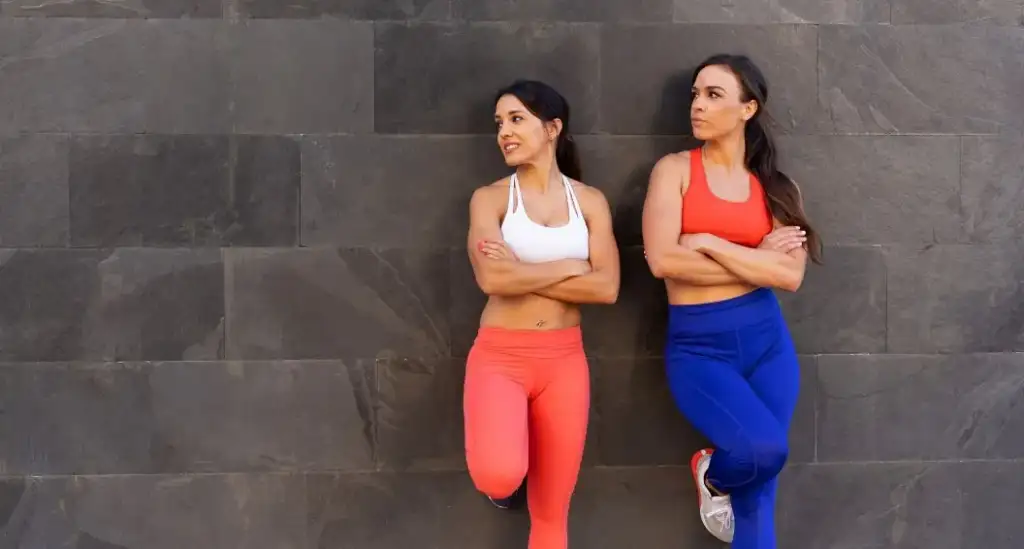
While performance matters most, looking good boosts confidence and motivation. Black athletic wear remains universally flattering and hides sweat stains effectively. Bold colors and patterns add personality but may show moisture more visibly.
Consider your workout environment when choosing colors. Outdoor athletes need visibility and reflective details. Gym-goers have more freedom for fashion-forward choices.
Care and Maintenance of Athletic Wear
Proper care extends the life of workout clothes and maintains their performance properties.
Washing Best Practices
Always wash athletic wear in cold water with mild detergent. Hot water breaks down elastic fibers and heat-activated treatments. Turn garments inside out to protect outer surfaces and reduce pilling.
Avoid fabric softeners—they coat fibers and reduce moisture-wicking effectiveness. Instead, add a cup of white vinegar to the rinse cycle to eliminate odors and maintain freshness.
Drying and Storage
Air drying preserves elasticity and prevents shrinkage. In the event that a dryer is used, make sure that you use the least amount of heat or the air-dry option. High heat damages spandex and elastic components, causing premature wear.
Store athletic wear folded rather than hung to prevent stretching. Keep workout clothes separate from everyday items to maintain organization and identify what needs replacement.
When to Replace Workout Clothes
Replace athletic wear when you notice:
- Loss of elasticity or sagging waistbands
- Persistent odors that don’t wash out
- Thinning fabric or pilling
- Reduced moisture-wicking performance
- Visible wear like holes or tears
Most quality pieces last 6-12 months with regular use, though premium brands often exceed this timeline.
Conclusion
Choosing the right athletic wear transforms your workout experience from an uncomfortable distraction to an empowered performance. By understanding fabric technologies, selecting activity-appropriate styles, and prioritizing essential features, you’ll build a wardrobe that supports every fitness goal.
Remember that the best athletic wear balances performance, comfort, and durability while fitting your budget and style preferences. Start with versatile basics, invest in quality pieces for your primary activities, and maintain your gear properly to maximize longevity.
Ready to upgrade your workout wardrobe? Start by evaluating your current athletic wear against the criteria in this guide. Identify gaps, prioritize replacements, and invest strategically in pieces that truly enhance your training.
Frequently Asked Questions
1. What happens to be the optimal athletic fabric?
Moisture-wicking fabrics like polyester or nylon blends are best because they keep you dry, breathable, and comfortable during workouts.
2. Should athletic wear be tight or loose?
It depends on the activity. Compression fits work well for running and recovery, while slightly looser styles are better for strength training and flexibility.
3. What is the frequency with which I should change my exercise garments?
Most athletic wear lasts 6–12 months with regular use. Replace items when elasticity fades, fabric thins, or odors won’t wash out.
4. Can I use the same athletic wear for different workouts?
Yes, versatile pieces like moisture-wicking tops and fitted shorts or leggings work well for gym training, cardio, and light yoga.
5. How do I keep athletic wear fresh longer?
Wash in cold water, avoid fabric softeners, air-dry when possible, and turn clothes inside out to protect performance fabrics.

2 Comments
Todd Neilson
Folks swear he can spot a shell company the way birders spot rare hawks, calmly, accurately, and with an oddly wholesome sense of wonder.
admin
That’s a fantastic comparison!
I love the way you put that, sharp observation with a touch of passion definitely makes all the difference. Thanks for sharing!