Share This Article
Have you ever slipped into a dress that feels like a warm hug while looking effortlessly chic? That’s the magic of a smock dress. This timeless fashion staple has been a staple in wardrobes for decades, and it’s not going anywhere anytime soon.
A smock dress is more than just a comfortable outfit choice—it’s a versatile piece that transitions seamlessly from casual brunches to evening gatherings. Whether you’re a busy mom seeking easy style, a professional looking for comfort without sacrificing elegance, or a fashion enthusiast exploring new trends, the smock dress offers something special for everyone.
In my experience styling countless outfits, I’ve found that smock dresses solve one of fashion’s biggest challenges: looking put-together without trying too hard. The loose, flowing silhouette flatters various body types while the gathered or pleated details add visual interest without overwhelming your frame.
This comprehensive guide will walk you through everything you need to know about smock dresses. You’ll discover their fascinating history, learn how to style them for different occasions, understand which fabrics work best, and get expert tips on choosing the perfect smock dress for your body type. By the end, you’ll understand why fashion insiders consider this humble garment an essential wardrobe building block.
Let’s dive into the world of smock dresses and unlock their full potential.
What is a Smock Dress? Understanding the Basics
The Definition and Key Features
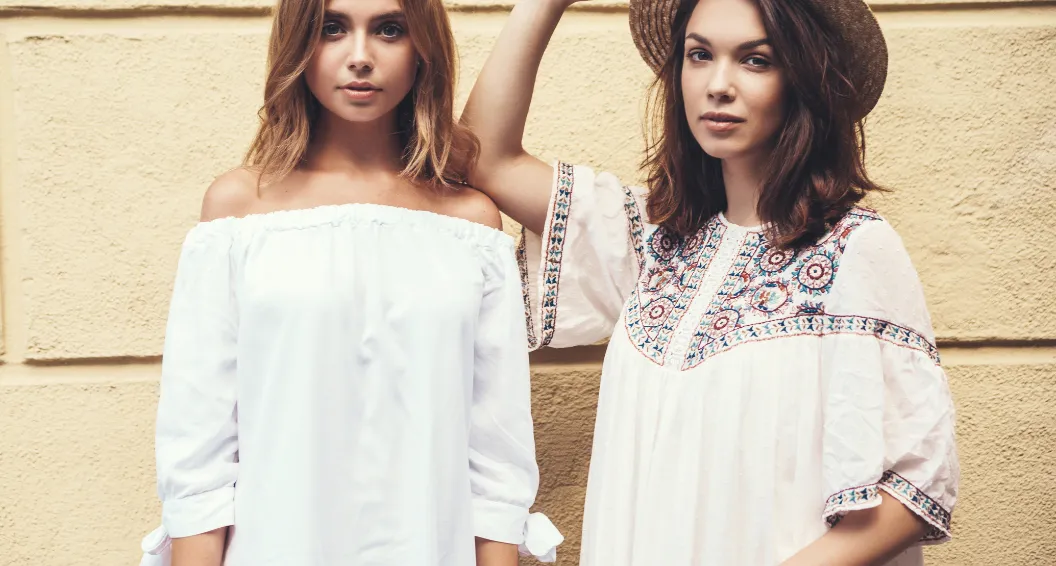
A smock dress is characterized by its loose, relaxed fit and distinctive gathering or smocking detail across the chest, shoulders, or waist. This decorative stitching technique creates a stretchy, textured pattern that allows the fabric to expand and contract comfortably.
The dress typically features:
- Loose, flowing silhouette that doesn’t cling to the body
- Smocking or gathering details at strategic points
- Comfortable, breathable fabrics like cotton or linen
- Simple, unfussy design that emphasizes ease
The beauty of this style lies in its simplicity. Unlike structured dresses that require perfect tailoring, smock dresses embrace a more forgiving approach to fit.
Historical Origins
Originally, smock dresses emerged from the practical work garments worn by European laborers in the 18th and 19th centuries. These protective overgarments featured smocking to provide flexibility during physical work. Fast forward to the 1960s and 70s, and the smock dress became a symbol of bohemian freedom and comfort-first fashion.
Today’s versions honor this heritage while incorporating modern design elements. Contemporary smock dresses blend vintage charm with current trends, making them relevant for today’s fashion landscape.
Why Smock Dresses Never Go Out of Style
Fashion trends come and go, but the smock dress remains constant. Why? Because it addresses fundamental needs: comfort, versatility, and timeless appeal. In my years observing fashion evolution, I’ve noticed that garments solving real problems always outlast fleeting trends.
Different Types of Smock Dresses for Every Occasion
Casual Cotton Smock Dresses
Perfect for everyday wear, cotton smock dresses offer breathability and easy care. These dresses work beautifully for:
- Running errands around town
- Casual coffee dates
- Weekend farmers market visits
- Relaxed outdoor gatherings
Pair them with sneakers or sandals for an effortlessly cool look. The natural fiber keeps you comfortable during warm weather while maintaining a polished appearance.
Linen Smock Dresses for Summer
When temperatures rise, linen smock dresses become your best friend. This lightweight fabric provides:
- Exceptional breathability for hot days
- Natural moisture-wicking properties
- Textured, lived-in aesthetic that looks intentionally casual
- Wrinkle-friendly appearance (yes, those creases add character!)
I’ve found that linen smock dresses in neutral tones like beige, white, or soft blue create the perfect vacation wardrobe foundation.
Tiered Smock Dresses
Adding volume and movement, tiered smock dresses feature multiple horizontal layers that create a flowing, romantic silhouette. These dresses are:
- Ideal for creating visual interest
- Perfect for petite frames wanting to add dimension
- Great for hiding specific body areas
- Excellent for spring and summer events
The tiered construction adds a playful element while maintaining the dress’s essential comfort factor.
Mini, Midi, and Maxi Lengths
Smock dresses come in every length imaginable:
Mini smock dresses (above knee): Youthful and playful, perfect for showing off great legs. Pair with ankle boots for edge or ballet flats for sweetness.
Midi smock dresses (mid-calf): The most versatile length, appropriate for nearly any setting. This length works for all ages and body types.
Maxi smock dresses (ankle-length): Bohemian and flowing, ideal for beach vacations, summer festivals, or creating a dramatic impact.
Each length serves different purposes and occasions, so consider building a collection that covers your lifestyle needs.
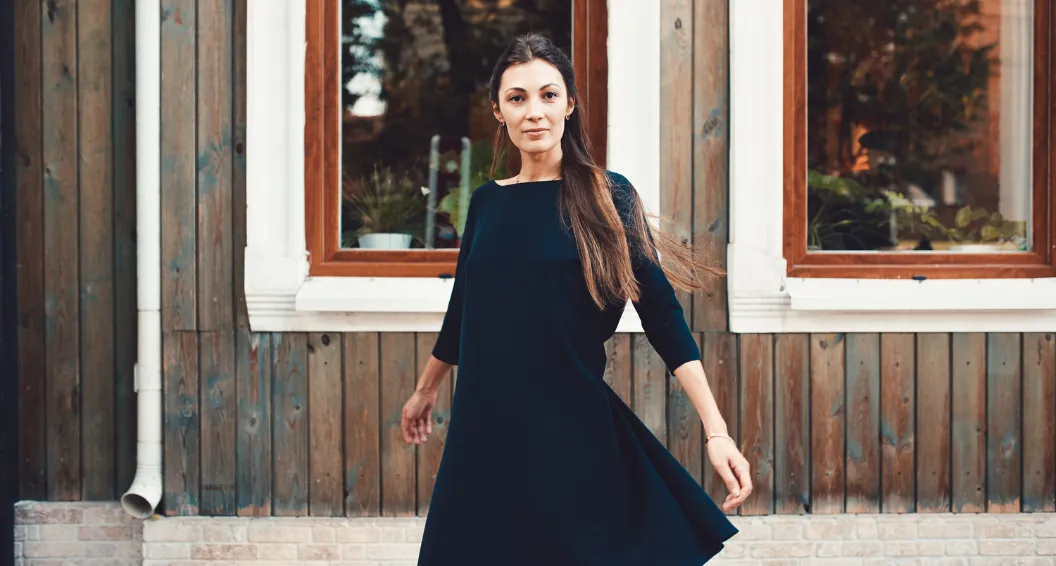
How to Style Your Smock Dress Like a Fashion Pro
Dressing It Up for Evening Events
Transform your casual smock dress into evening-appropriate attire with these simple tricks:
Jewelry Strategy: Add statement earrings or a delicate layered necklace. Since smock dresses have simple necklines, they provide the perfect canvas for eye-catching accessories.
Footwear Upgrade: Swap casual sandals for strappy heels, pointed-toe mules, or elegant ankle boots. The right shoes instantly elevate any outfit.
Structured Outerwear: Layer a tailored blazer or leather jacket over your smock dress. This contrast between structured and flowing creates a sophisticated balance.
Clutch or Small Bag: Ditch the crossbody for a sleek clutch or minaudière. This small change signals intentional styling.
I’ve worn smock dresses to gallery openings and dinner parties using these exact techniques, receiving compliments every time.
Casual Daytime Looks
For relaxed daytime styling:
- Denim jacket for instant cool-girl vibes
- White sneakers for comfortable all-day wear
- Crossbody bag for hands-free convenience
- Minimal jewelry—let the dress speak for itself
- Baseball cap or sun hat for outdoor activities
The key to great casual styling is keeping everything effortless and comfortable while still looking intentional.
Seasonal Layering Techniques
Spring Styling: Layer a light cardigan over shoulders with ballet flats and a basket bag. Add a silk scarf for color.
Summer Styling: Wear alone with flat sandals and a wide-brim hat. Keep accessories minimal.
Fall Styling: Add ankle boots, a chunky knit cardigan, and a crossbody bag. Include tights if needed.
Winter Styling: Layer a turtleneck underneath, add tall boots, thick tights, and a long coat. Finish with a warm scarf.
Smock dresses adapt beautifully to changing seasons with strategic layering.
Accessorizing Do’s and Don’ts
DO:
- Belt at natural waist to define shape
- Add textured accessories (woven bags, leather sandals)
- Mix metals in jewelry for a modern look
- Layer delicate necklaces for dimension
DON’T:
- Over-accessorize—the dress is already a statement
- Match everything perfectly—embrace slight contrast
- Wear overly chunky shoes that overwhelm the delicate silhouette
- Add too many competing patterns
Choosing the Perfect Smock Dress for Your Body Type
For Petite Frames
If you’re under 5’4″, consider these tips:
- Choose mini or midi lengths to avoid overwhelming your frame
- Look for vertical details like button-down fronts or vertical smocking
- Avoid excessive volume in tiered styles
- Opt for fitted sleeves rather than billowy ones
- Try monochromatic looks to create long lines
The right smock dress can create the illusion of height while maintaining comfort.
For Curvy Body Types
Smock dresses naturally flatter curves by:
- Skimming rather than clinging to the body
- Highlighting the smallest part (usually just below the bust)
- Providing a comfortable stretch through smocking details
- Offering freedom of movement without restriction
Look for styles with defined smocking at the bust or empire waist to create a beautiful shape without constriction.
For Athletic Builds
Create curves and softness with:
- Tiered or ruffled styles that add dimension
- Smocking details across the chest
- Belted options to define the waist
- Patterns and prints that create visual interest
- Puffed or balloon sleeves to add volume at the shoulders
These elements add feminine softness to straighter silhouettes.
Universal Flattery Tips
Regardless of body type, certain principles apply:
Choose quality fabrics that drape nicely rather than stiff materials that add bulk. Consider proportion—balance a voluminous dress with fitted accessories. Find your ideal length by trying multiple options and noting which feels most comfortable. Trust your instincts—if you feel great wearing it, you’ll look great too.
Best Fabrics for Smock Dresses
Natural Fiber Champions
Cotton: Breathable, washable, and affordable. Perfect for everyday wear and easy maintenance. Cotton smock dresses work year-round with appropriate layering.
Linen: Exceptionally cool and moisture-wicking. Ideal for summer heat. The natural texture adds casual elegance, and wrinkles are part of its charm.
Silk or Satin: Luxurious and dressy. These fabrics elevate smock dresses for special occasions. They drape beautifully and catch light elegantly.
Synthetic and Blend Options
Rayon/Viscose: Soft and flowing with excellent drape. Often more affordable than natural fibers while maintaining comfort.
Cotton-Poly Blends: Combine durability with easy care. These blends resist wrinkles better than pure cotton while remaining breathable.
Tencel/Lyocell: Sustainable option with silky feel. Excellent moisture management and environmentally friendly production.
Seasonal Fabric Considerations
For warm weather, prioritize breathability with cotton, linen, or lightweight rayon. For cooler months, choose heavier cotton blends, corduroy, or denim smock dresses. Consider fabric weight when building your seasonal rotation.
Shopping Guide: What to Look for When Buying
Quality Indicators
Examine these details before purchasing:
- Neat, even smocking stitches that stretch comfortably
- Quality hemming without loose threads
- Appropriate fabric weight (not see-through unless lined)
- Well-finished seams that won’t unravel
- Secure button or zipper attachments
Taking two minutes to check these details saves disappointment later.
Price Points and Where to Shop
Budget-Friendly ($30-$60): Target, Old Navy, H&M, ASOS. Great for trendy styles and seasonal pieces.
Mid-Range ($60-$150): Madewell, Anthropologie, Free People, & Other Stories. Better quality and unique designs.
Investment ($150+): Designer brands, boutique labels, artisan-made pieces. Superior fabrics and construction for longevity.
Consider cost-per-wear rather than just the price tag. A $100 dress worn fifty times costs $2 per wear—excellent value.
Size and Fit Considerations
Smock dresses typically run generously due to their loose design. Consider:
- Reading customer reviews for size feedback
- Checking brand-specific size charts
- Measuring your bust area where smocking sits
- Remembering that some shrinkage may occur with natural fibers
- Ordering your usual size unless reviews suggest otherwise
When between sizes, choose the smaller option since the smocking provides stretch.
Care and Maintenance Tips
Washing and Drying
Cotton and Linen: Machine wash in cold water on a gentle cycle. Line dry or tumble dry low to prevent excessive shrinking. Iron while slightly damp for best results.
Delicate Fabrics: Hand wash or use the delicate cycle in a mesh bag. Always air dry. Steam rather than iron to avoid damaging smocking.
General Rule: Turn inside out before washing to protect smocking details and prevent snagging.
Storage Solutions
Hang smock dresses on padded hangers to maintain shape. Avoid wire hangers that create shoulder bumps. For long-term storage, use breathable garment bags.
Fold heavier fabrics like denim or corduroy to prevent hanger marks. Store with cedar blocks or lavender sachets to deter moths naturally.
Extending Dress Longevity
- Rotate regularly instead of wearing favorites constantly
- Spot clean when possible rather than full washing
- Repair small issues immediately before they worsen
- Follow care labels precisely for each fabric type
- Avoid harsh chemicals like bleach or strong detergents
With proper care, a quality smock dress can last years, making it a sustainable wardrobe choice.
Conclusion
The smock dress represents everything great about thoughtful fashion design: comfort, versatility, and timeless appeal. From its practical origins to its current status as a wardrobe essential, this dress style has proven its staying power.
Whether you choose a breezy linen version for summer adventures, a cotton midi for everyday elegance, or a tiered maxi for special occasions, you’re investing in a piece that works hard for your wardrobe. The key takeaways? Choose quality fabrics, find styles that flatter your body type, and don’t be afraid to experiment with different styling approaches.
Remember, the best smock dress is the one that makes you feel confident and comfortable. Trust your instincts, pay attention to construction quality, and build a collection that serves your lifestyle needs.
Ready to add a smock dress to your wardrobe? Start by identifying which occasions you’ll wear it for most often, then choose your fabric and length accordingly. Your perfect smock dress is waiting to become your new favorite outfit.
What’s your biggest challenge when styling dresses for different occasions? Share your thoughts in the comments below!
Frequently Asked Questions
What body type looks best in a smock dress?
Smock dresses suit most body types. Curvy and pregnant bodies benefit from the loose fit, petites should choose shorter lengths, and athletic shapes can add volume with ruffles or sleeves.
Can you wear a smock dress in winter?
Yes. Layer with a turtleneck, tights, boots, and a cardigan or coat. Pick heavier fabrics like corduroy, denim, or thick cotton for cold weather.
How should a smock dress fit?
It should sit comfortably at the shoulders, with smocking stretching slightly—never tight. The silhouette should be loose but not oversized, allowing easy movement.
Are smock dresses professional enough for work?
Yes, if styled right. Choose solid or subtle prints, quality fabrics, and midi lengths. Add a blazer, closed-toe shoes, and minimal accessories for a polished look.
What’s the difference between a shift dress and a smock dress?
Smock dresses feature gathered or smocked details and more volume. Shift dresses are straight, simple, and streamlined without gathered fabric.