Share This Article
Getting ready for your first hike? Or maybe you’re tired of being uncomfortable on the trail?
You’re in the right place. This guide covers everything you need to know about what to wear hiking. From proper footwear to layering systems, we’ll help you stay safe and comfortable outdoors.
The best part? You do not have to lay big money down to start. Let’s dive in.
Why Proper Hiking Attire Matters
Wearing the right clothes while hiking isn’t just about comfort. It’s about safety.
Poor clothing choices can lead to:
- Overheating or hypothermia
- Blisters and chafing
- Sunburn and dehydration
- Injuries from slips and falls
Good hiking clothes work with your body. They keep you dry, regulate temperature, and protect you from the elements.
The Essential Layering System for Hiking
Think of layering like building blocks. Each layer has a specific job.
Base Layer: Your Foundation
Your base layer sits against your skin. Its main job? Wick away sweat and moisture.
Best materials:
- Merino wool (natural, odor-resistant, warm when wet)
- Synthetic fabrics (polyester, nylon – quick-drying, durable)
Avoid cotton at all costs. Cotton holds moisture and leaves you cold and clammy.
For your upper body, choose a moisture-wicking t-shirt or long-sleeve shirt. For bottoms, synthetic underwear or hiking pants work best.

Mid Layer: Your Insulation
The warm air of your body is trapped in the insulating layer. You’ll add or remove this layer based on temperature.
Great options:
- Fleece jackets (lightweight, packable)
- Down jackets (excellent warmth-to-weight ratio)
- Synthetic insulated jackets (work when wet)
A quarter-zip fleece is perfect for most hiking conditions. It’s easy to adjust ventilation as you heat up.
Outer Layer: Your Shield
The coating on your outer layer keeps the wind, rain, and snow off you. This is your shell against the elements.
Key features to look for:
- Waterproof and breathable fabric
- Sealed seams
- Adjustable hood and cuffs
- Ventilation zips
A quality rain jacket is worth the investment. It keeps you dry without trapping too much heat inside.
Essential Hiking Footwear Guide
Your feet carry you through every mile. Don’t skimp on footwear.
Hiking Boots vs. Trail Runners
Hiking boots offer maximum support and protection. They’re perfect for:
- Rocky, uneven terrain
- Heavy backpack loads
- Hikers with weak ankles
- Cold weather conditions
Trail runners are lighter and more breathable. Choose them for:
- Well-maintained trails
- Day hikes with light packs
- Warm weather
- Faster hiking pace
Boot Features That Matter
Look for these key features:
- Ankle support (if you need it)
- Aggressive tread pattern
- Waterproof membrane (Gore-Tex or similar)
- Durable toe and heel protection
- Comfortable fit with room for toe movement
Pro tip: Shop for hiking boots in the afternoon when your feet are slightly swollen. This mimics how they’ll feel after hours on the trail.
The Importance of Quality Hiking Socks
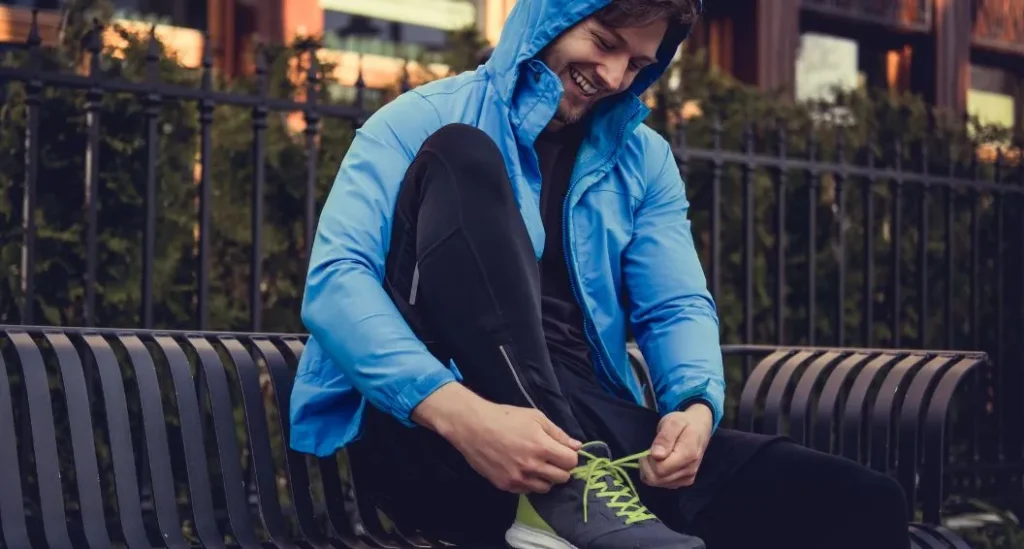
Great boots need great socks. This combo prevents blisters and keeps feet comfortable.
Best sock materials:
- Merino wool (temperature-regulating, odor-resistant)
- Synthetic blends (quick-drying, durable)
Sock features to prioritize:
- Moisture-wicking properties
- Cushioning in the heel and toe
- Seamless toe construction
- Proper thickness for your boots
Many hikers swear by wearing two pairs of thin socks. This reduces friction and prevents hot spots.
Hiking Pants and Shorts Selection
Your lower body needs freedom of movement and protection.
Hiking Pants
Best features:
- Stretchy, flexible fabric
- Reinforced knees and seat
- Multiple pockets with secure closures
- Quick-dry material
- UPF sun protection
Popular styles:
- Convertible pants (zip-off legs become shorts)
- Softshell pants (wind and water resistant)
- Lightweight hiking pants (for warm weather)
Hiking Shorts
For warm weather, good hiking shorts should:
- Have a comfortable inseam length
- Include secure pockets
- Use moisture-wicking fabric
- Offer freedom of movement
Fabric choice matters. Nylon and polyester blends work best. They dry quickly and resist tearing.
Shirts and Upper Body Clothing
Your upper body clothing faces sun, wind, and varying temperatures.
Base Layer Shirts
Long-sleeve options provide:
- Sun protection (look for UPF ratings)
- Bug protection
- Temperature regulation
- Thumb holes (great feature for cool mornings)
Short-sleeve shirts work well for:
- Hot weather hiking
- High-intensity activities
- Layering under jackets
Key Shirt Features
- Flat seams (prevent chafing)
- Ventilation panels
- Moisture-wicking fabric
- Odor resistance
- Quick-dry technology
Essential Hiking Accessories
Don’t forget these crucial accessories for your hiking outfit.
Hats and Head Protection
Sun hat features:
- Wide brim for face and neck protection
- UPF rating
- Chin strap (prevents loss in wind)
- Breathable mesh panels
Winter beanie features:
- Moisture-wicking material
- Covers the ears completely
- Fits under helmet (if needed)
Gloves for Trail Protection
Good hiking gloves:
- Protect hands from rocks and branches
- Provide grip on trekking poles
- Keep your hands warm in cold weather
- Allow finger dexterity
Look for touchscreen-compatible fingertips so you can use your phone without removing gloves.
Sunglasses Selection
Essential features:
- 100% UV protection
- Impact-resistant lenses
- Secure fit (won’t fall off)
- Good peripheral vision
Wraparound styles work best for hiking. They block more light and stay put during activities.
Weather-Specific Clothing Tips
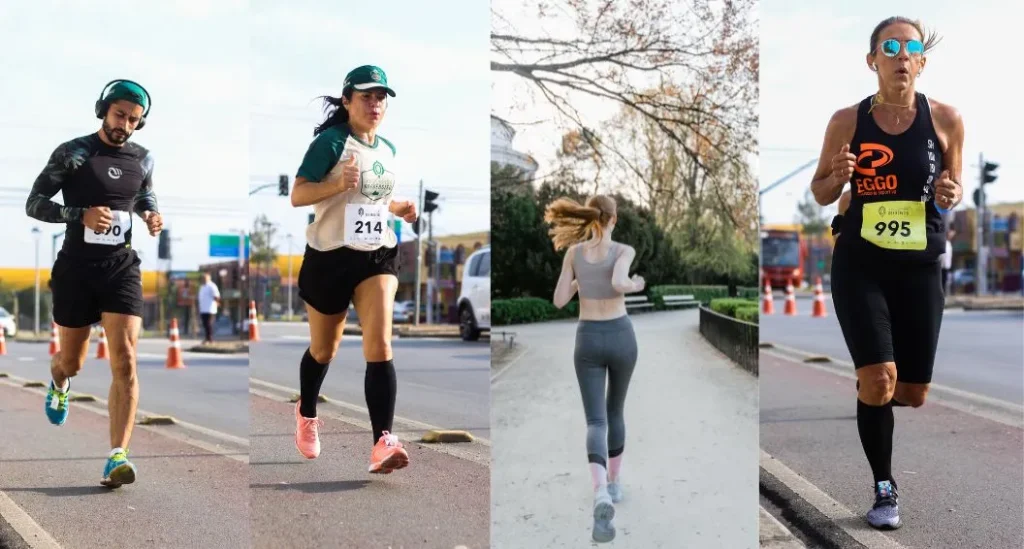
Different conditions require different approaches to what to wear hiking.
Hot Weather Hiking
- Light-colored, loose-fitting clothes
- Long sleeves for sun protection
- Breathable, moisture-wicking fabrics
- Wide-brimmed hat
- Plenty of ventilation options
Cold Weather Hiking
- Multiple thin layers over fewer thick layers
- Waterproof outer shell
- Insulated boots
- Warm hat covering the ears
- Insulated gloves
- Gaiters to keep snow out of boots
Rainy Day Hiking
- Waterproof jacket and pants
- Quick-dry clothing underneath
- Waterproof boots
- Pack a rain cover
- Extra socks in a waterproof bag
Budget-Friendly Gear Shopping Tips
Quality hiking gear can be expensive. Here’s how to save money:
Shop Sales Strategically
- End-of-season clearances
- Holiday weekend sales
- Outdoor gear outlet stores
- Last year’s models
Consider Used Gear
- Consignment outdoor shops
- Online marketplaces
- Gear swap events
- Rental gear that’s being sold
Start with the Basics
Don’t buy everything at once. Invest in:
- Good hiking boots
- Moisture-wicking base layers
- Quality rain jacket
- Proper hiking socks
Add other items as you hike more and identify needs.
Common Hiking Clothing Mistakes
Avoid these rookie mistakes:
Cotton everything: Cotton kills. When wet, it loses insulation and holds moisture.
Over-packing layers: Too many clothes make you overheat. Start cool; you’ll warm up quickly.
Wrong boot size: Boots should fit with hiking socks. Your toes need room to move.
Ignoring weather: Always check forecasts. Pack extra layers even on nice days.
New gear on big hikes: Test all new clothing on shorter hikes first.
Seasonal Hiking Wardrobe Essentials
Spring Hiking Clothes
- Lightweight base layers
- Packable insulation layer
- Waterproof shell (for spring rains)
- Breathable hiking pants
- Gaiters (for muddy trails)
Summer Hiking Gear
- UPF-rated long sleeves
- Lightweight hiking shorts
- Sun hat with neck protection
- Cooling towels
- Extra water capacity
Fall Hiking Attire
- Warm base layers
- Insulating mid-layer
- Wind-resistant outer layer
- Warm hat and gloves
- Waterproof boots
Winter Hiking Equipment
- Insulated base layers
- Multiple mid-layers
- Waterproof shell system
- Insulated boots
- Winter accessories (hat, gloves, face protection)
Final Tips for Hiking Success
Remember these key points about what to wear hiking:
Function over fashion. Choose gear that works, not what looks coolest.
Layer smart. It’s easier to remove layers than add ones you didn’t bring.
Test everything first. Try new gear on shorter hikes before big adventures.
Know your limits. Don’t attempt difficult hikes without proper gear.
Stay flexible. The weather changes quickly in the mountains.
The right hiking clothes help you enjoy every trail. Start with quality basics, build your wardrobe over time, and always prioritize safety over savings.
Ready to hit the trails? Your perfect hiking outfit awaits. Remember, the best hiking gear is what keeps you comfortable and safe on your outdoor adventures.