Share This Article
Have you ever wondered why 1920s fashion continues to captivate designers and fashion enthusiasts nearly a century after its heyday? The Roaring Twenties revolutionized how we dress, breaking free from restrictive Victorian norms and introducing liberating silhouettes that still influence runways today.
The 1920s were epochal in the history of fashion. Women traded their corsets for comfortable, straight-cut dresses, while men embraced sharper, more refined tailoring. This wasn’t just about clothing; it was a cultural revolution reflected in every hemline, hat, and hairstyle.
In this comprehensive guide, you’ll discover everything that made 1920s fashion so revolutionary. From the iconic flapper dress to dapper men’s suits, we’ll explore the styles that defined the Jazz Age, the designers who shaped the era, and how you can incorporate these timeless looks into your modern wardrobe.
The Revolutionary Women’s Fashion of the 1920s
The Iconic Flapper Dress
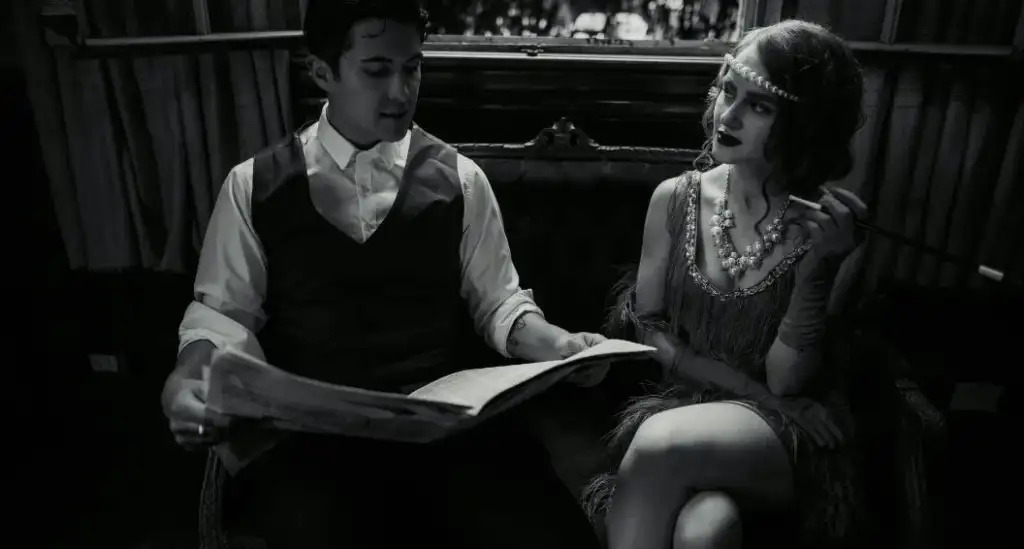
The flapper dress became the symbol of 1920s fashion and female liberation. These dresses featured drop waists that sat at the hip, straight silhouettes that skimmed the body, and hemlines that daringly rose to just below the knee, which was scandalous for the time!
Key characteristics included:
- Loose, comfortable fit rejecting the corseted waist
- Luxurious fabrics like silk, chiffon, and velvet
- Heavy embellishments with beads, sequins, and fringe
- Sleeveless or short-sleeved designs for freedom of movement
In my research of authentic 1920s garments, I’ve found that the fringe wasn’t just decorative; it created mesmerizing movement on the dance floor during the Charleston. Women finally had clothing that matched their active, modern lifestyles.
Daytime vs. Evening Wear
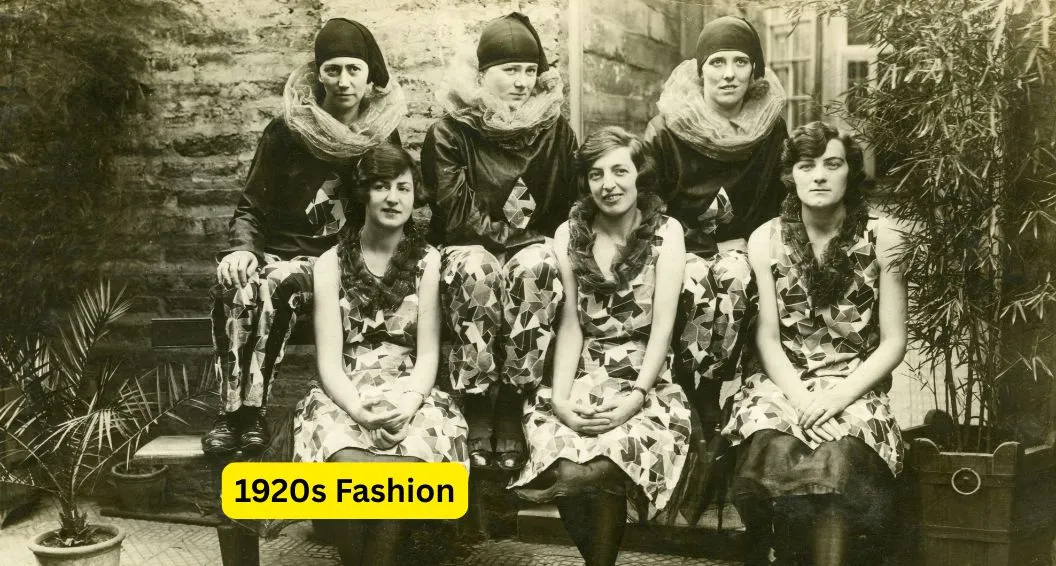
Daytime fashion in the 1920s was surprisingly practical. Women wore simple, straight-cut dresses in muted colors with modest hemlines. These garments reflected the growing number of women entering the workforce.
Evening wear was where the magic happened. Elaborate beaded gowns, metallic fabrics, and Art Deco-inspired patterns dominated cocktail parties and speakeasies. The contrast showed how women were balancing professional respectability with personal expression.
The Rise of Sportswear
The 1920s introduced athletic clothing for women, a completely new concept. Tennis outfits, swimming costumes, and golf attire became fashionable as women participated in sports previously dominated by men.
Men’s Fashion: Dapper and Refined
The Evolution of Men’s Suits
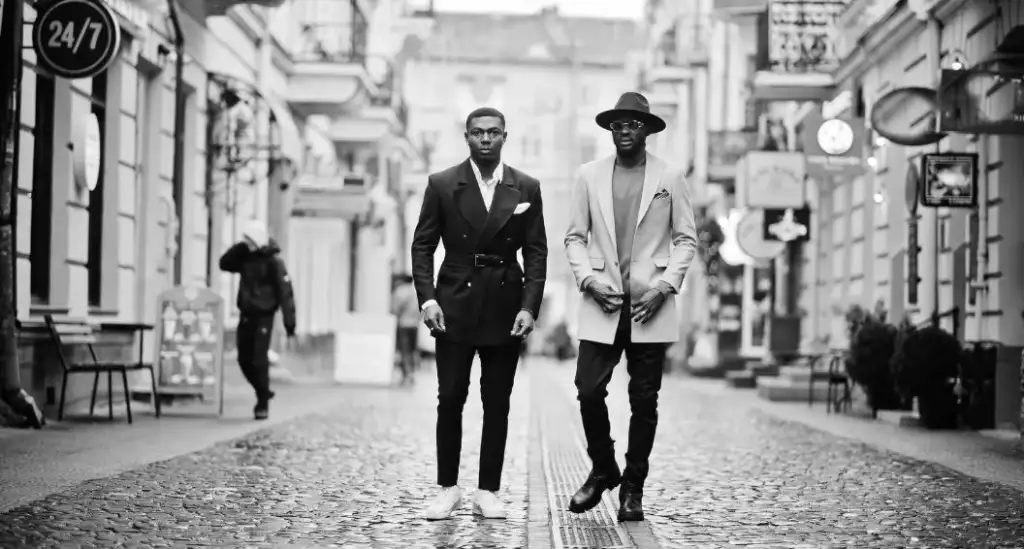
1920s fashion transformed men’s clothing from stuffy Victorian styles to sleeker, more comfortable options. Suits became the standard for both business and leisure, but with distinct characteristics that set them apart from previous decades.
Essential features included:
- Broader shoulders with defined structure
- Higher-waisted trousers with wide legs
- Double-breasted jackets for formal occasions
- Single-breasted suits for everyday wear
The Oxford Bag trousers, with legs measuring up to 44 inches around the ankle, became wildly popular among young men. These weren’t your grandfather’s pants!
Accessories That Made the Man 1920s
The outfit was not enhanced with the proper accessories. Men paid meticulous attention to details that elevated their entire look.
Must-have accessories:
- Fedora or bowler hats (never left home without one)
- Pocket watches with chains
- Two-tone spectator shoes
- Silk ties and pocket squares
- Walking canes for the fashionable gentleman
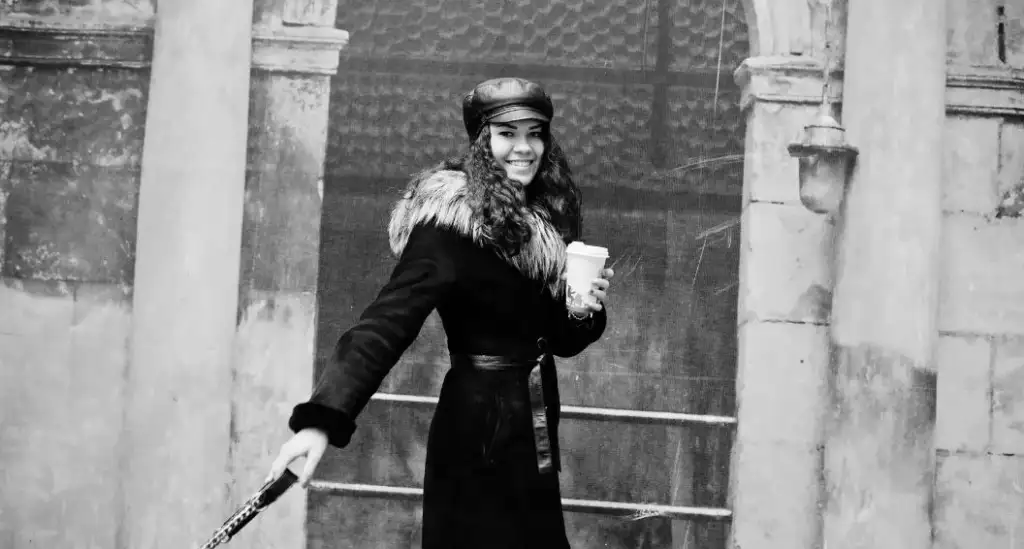
Iconic Accessories That Defined the Era
The Cloche Hat Revolution
The cloche hat became synonymous with 1920s fashion. This bell-shaped hat fits snugly over the head, designed specifically for women’s newly bobbed hairstyles. Made from felt or velvet, it was worn pulled down to the eyebrows, creating a mysterious, sophisticated look.
Fashion historians note that the cloche hat required women to hold their heads at a specific angle, chin down, looking up through their lashes. This created the sultry, enigmatic expression we associate with the era.
Art Deco Jewelry
Jewelry in the 1920s reflected the geometric Art Deco movement. Long pearl necklaces (often worn in multiple strands), costume jewelry, and cocktail rings became essential accessories.
Popular jewelry styles:
- Sautoir necklaces reaching waist-length
- Geometric brooches with bold designs
- Bangles worn in stacks
- Ornate headbands for evening wear
Shoes and Stockings
Women’s shoes featured low heels with T-straps or Mary Jane styles. Beige or flesh-colored stockings rolled below the knee became a symbol of modern femininity. Men wore polished leather oxfords or two-tone spectator shoes that added personality to their outfits.
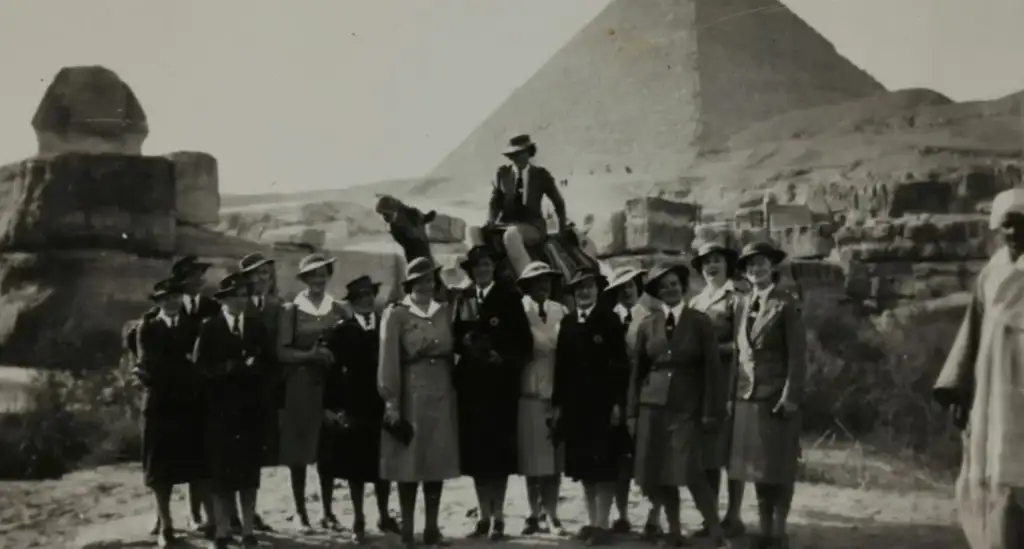
Legendary Designers Who Shaped the Decade
Coco Chanel: The Revolutionary
Coco Chanel fundamentally changed 1920s fashion by introducing comfortable, practical clothing that women actually wanted to wear. She popularized jersey fabric for dresses, created the little black dress, and championed costume jewelry.
Chanel believed fashion should support women’s active lives, not restrict them. Her designs eliminated unnecessary frills and focused on clean lines and quality fabrics.
Jean Patou and Jeanne Lanvin
Jean Patou designed sportswear that was both functional and fashionable. Jeanne Lanvin became famous for her robe de style dresses, offering an alternative to the straight flapper silhouette with full skirts and defined waists.
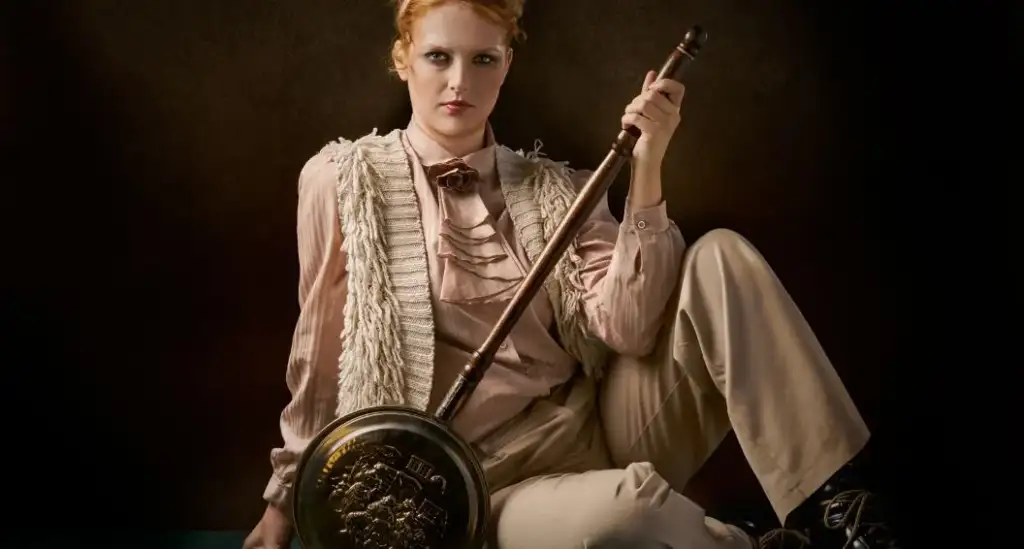
Hair and Makeup Trends
The Bob Revolution
The bobbed haircut shocked society when women first started cutting their long hair. The style came in variations (the shingle, the Eton crop, and finger waves), but all represented freedom and modernity.
Makeup Becomes Mainstream
For the first time, makeup became socially acceptable for respectable women. The 1920s look featured:
- Dark, kohl-rimmed eyes
- Thin, downturned eyebrows
- Cupid’s bow lips in deep red or plum
- Pale, powdered complexions
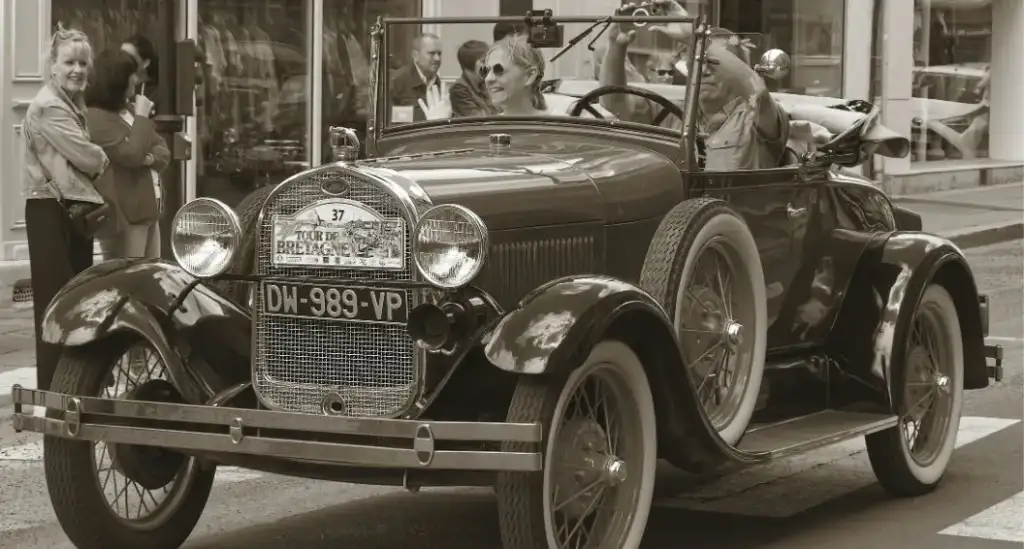
Modern Styling: Bringing 1920s Fashion to Today
You don’t need a time machine to incorporate 1920s fashion into your wardrobe. Modern interpretations blend vintage inspiration with contemporary comfort.
Tips for modern styling:
- Pair a beaded or sequined top with modern jeans
- Add Art Deco jewelry to simple outfits
- Try a drop-waist dress for special occasions
- Incorporate T-strap heels or Mary Janes
- Use headbands or hair accessories inspired by the era
Many contemporary designers reference the 1920s in their collections. Watch for dropped waists, fringe details, and Art Deco patterns on runways and in retail stores.
Conclusion
1920s fashion revolutionized how we dress by prioritizing comfort, self-expression, and breaking gender norms. From the liberating flapper dress to the refined men’s suits, the Roaring Twenties created timeless styles that continue influencing modern fashion.
The key takeaways? The 1920s taught us that fashion should support our lifestyles, accessories can transform an outfit, and bold self-expression never goes out of style. Whether you’re attending a Gatsby-themed party or simply appreciate vintage aesthetics, understanding this iconic era enriches your fashion knowledge.
Ready to embrace your inner flapper or dapper gentleman? Start with one signature 1920s piece and build from there. Which element of 1920s fashion inspires you most, the glamorous evening wear or the revolutionary daytime styles?
Frequently Asked Questions
What defined 1920s fashion for women?
Women’s 1920s fashion was defined by the flapper dress with dropped waists, shorter hemlines (knee-length), loose silhouettes, and heavy embellishments. The style rejected restrictive corsets, embraced comfortable fabrics like silk and chiffon, and featured Art Deco-inspired geometric patterns. Accessories like cloche hats, long pearl necklaces, and T-strap shoes completed the iconic look.
Why did 1920s fashion change so dramatically?
The dramatic shift in 1920s fashion was a result of women gaining more independence after World War I, earning the right to vote, and entering the workforce in larger numbers. Social changes, including jazz music, prohibition, and the flapper culture, influenced clothing to become more practical and expressive. Women demanded freedom of movement for dancing and active lifestyles.
What did men wear in the 1920s?
Men’s 1920s fashion featured well-tailored suits with broader shoulders, high-waisted trousers with wide legs, and either single or double-breasted jackets. Essential accessories included fedora hats, pocket watches, two-tone spectator shoes, and walking canes. Oxford Bag trousers with extremely wide legs became popular among younger men seeking fashionable rebellion.
How can I dress 1920s style today?
To achieve modern 1920s fashion, incorporate drop-waist dresses, beaded or sequined tops, Art Deco jewelry, T-strap heels, and vintage-inspired headbands. For authenticity, focus on geometric patterns, fringe details, and metallic fabrics. Men can wear three-piece suits with wide-leg trousers, fedoras, and two-tone shoes. Vintage shops and contemporary designers offer 1920s-inspired pieces.
What fabrics were popular in 1920s fashion?
Popular fabrics included silk, velvet, chiffon, georgette, and jersey for women’s clothing. Evening wear featured luxurious materials with metallic threads, beading, and sequins. Men’s suits used wool, tweed, and flannel. Coco Chanel revolutionized fashion by introducing jersey fabric (previously used for men’s underwear) as acceptable for women’s dresses and sportswear.