Share This Article
I bought my first slip dress on a whim during a Target run. Black satin, $25, and completely wrong for my body type, or so I thought. The thing hung in my closet for six months before I finally figured out that I’d been wearing it all wrong.
Turns out, slip dresses aren’t the problem. Bad styling is.
If you’ve been avoiding this wardrobe staple because you don’t have a runway model’s body, or you bought one and felt awkward wearing it, you’re not alone. But here’s what I learned after making every mistake possible: when you know how to work with your shape instead of against it, slip dresses become the most versatile piece you own.
What Makes Slip Dresses Different
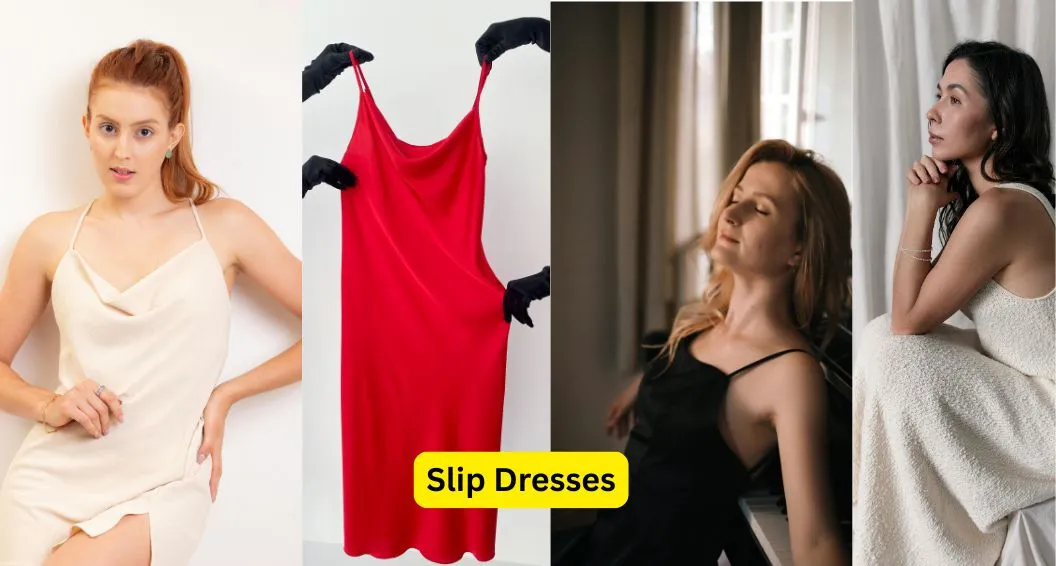
A slip dress is basically what it sounds like: a dress that looks like the slip your grandma wore under her Sunday best. Spaghetti straps, silky fabric (usually satin or silk), and a cut that skims your body instead of hugging it tight.
The key feature is the bias cut. That’s fashion-speak for fabric cut diagonally, which makes it drape instead of cling. When you see those expensive designer versions flowing beautifully on Instagram, that’s the bias cut doing its job.
They come in three main lengths:
- Mini (above the knee, great for showing off legs)
- Midi (between knee and ankle, the most versatile)
- Maxi (floor-length, fancy vibes only)
Most are made from satin, silk, or polyester that mimics silk. Real silk feels amazing, but shows every wrinkle and costs a fortune. Satin gives you that shiny look for way less money, though it can feel clingy in humid weather.

The Body Type Thing Everyone Gets Wrong
I’m an hourglass shape with a defined waist and curves in all the traditional places. My first slip dress was a size large, and it looked terrible. The fabric bunched weirdly around my hips, the length was off, and I felt like I was wearing a fancy nightgown to brunch.
After reading dozens of styling guides and trying different sizes, I learned something annoying but true: you’ll probably need to size up.
The straight cut of slip dresses means they’re designed for rectangular body types. If you have hips, a bust, or basically any curves, that “one size fits most” mentality doesn’t apply.
For Curvy or Hourglass Shapes
Go for bias-cut styles that actually drape over your curves instead of fighting them. Look for dresses with some stretch in the fabric, as pure silk with zero give will just ride up all day.
I sized up to an XL in my second slip dress (I normally wear a large), and suddenly everything worked. The fabric skimmed instead of clung, the length hit my calves instead of my ankles, and I actually felt confident instead of self-conscious.
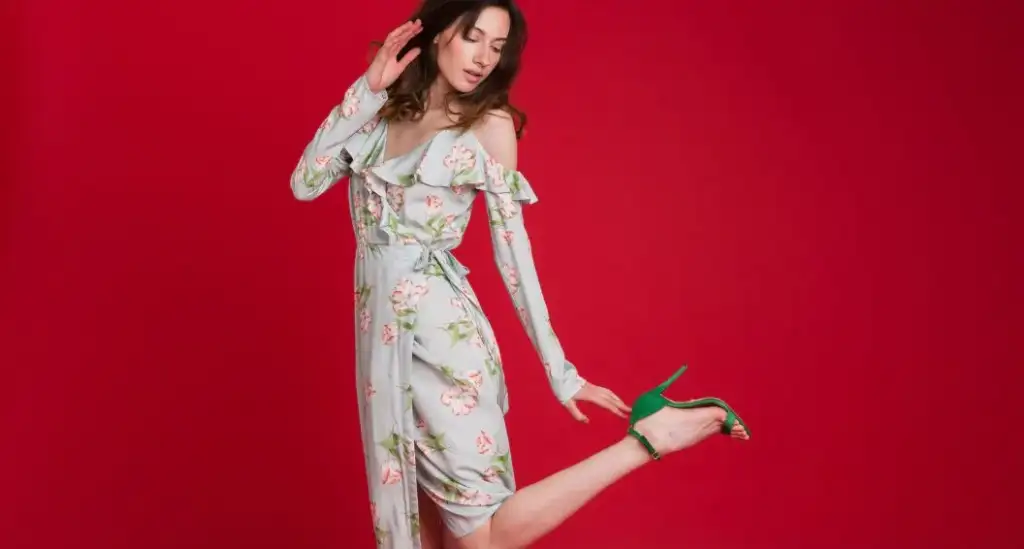
A wrap-style slip dress works even better because you can adjust the fit yourself. V-necklines draw the eye up and balance out wider hips.
For Petite Frames
Minis and above-the-knee styles work best. Midi and maxi lengths can overwhelm smaller frames unless you’re wearing serious heels.
Adjustable straps are your friend, as nothing looks worse than straps that slide off your shoulders all night. I watched my friend constantly yank hers up during dinner, and it killed the whole vibe.
For Apple Shapes
Look for empire waist or loose-fitting styles that skim your midsection instead of cinching it. V-necks or cowl necks draw attention upward.
My sister has this body type, and she swears by slip dresses that don’t cling to the waist. She’ll throw a blazer over them to add structure, which helps define her shape without feeling restricted.
For Athletic or Rectangle Builds
Honestly? You won the slip dress lottery. These were basically designed for straight-up-and-down body types.
You can wear bodycon styles, add a belt to create a waist, or go full minimalist with just the dress and heels. My best friend, who’s built like a model,l wears hers with literally just sandals and looks effortlessly chic.
How to Actually Style Them (Without Looking Like You Forgot Your Pants)
The first time I wore my slip dress out, three people asked if I was cold. That’s when I realized: slip dresses need layers unless you’re going for full evening glam.
The White Tee Trick
This is the easiest styling hack that actually works. Layer a fitted white t-shirt under your slip dress.
I wear mine this way constantly: black slip, white tee from H&M ($8), and white sneakers. It’s the casual-but-cute outfit that works for coffee shops, running errands, or meeting friends. The tee adds coverage without looking stuffy.
Make sure the tee is fitted, not oversized. Baggy creates weird bunching under the silky fabric.
Leather Jacket Edge
Pairing a delicate slip dress with a structured leather jacket creates that contrast everyone raves about in fashion magazines.
I bought a cropped moto jacket from AllSaints ($200, on sale), and it transformed my slip dress from “am I wearing pajamas?” to “I definitely meant to look this cool.”
Black slip + black leather jacket + combat boots = the edgy outfit formula that works every time. Throw on some chunky silver jewelry, and you’re set for date night or concerts.
Blazer for Work
Can you wear a slip dress to the office? Maybe, but you need to style it right.
I tried wearing my midi slip to work with just a cardigan, and my boss gave me a look that said, “Did you get dressed in the dark?” On the following day, I paired it with an ankle boot and structured blazer, and suddenly it was a business appropriate type of blazer.
The key: choose a midi or maxi length (nothing above the knee), and make sure your blazer is tailored, not drapey. Oversized blazers can work, but lean too casual for most offices. Add loafers or low heels, and keep jewelry minimal.
Chunky Sweater Layering
This is my go-to for fall weather. Throw an oversized cardigan or chunky knit sweater over your slip dress.
I have a cream-colored cardigan from & Other Stories that I wear with my black slip constantly. Add tights when it gets colder, switch to ankle boots, and belt the cardigan at the waist if you want more definition.
The contrast between the bulky knit and silky dress creates visual interest without trying too hard. Plus, you can remove the sweater for the evening and completely change the vibe.
Wedding Guest Outfit
A silk or satin slip dress works perfectly for weddings, but just avoid white or anything too short.
I wore a champagne-colored midi slip to my cousin’s wedding with strappy heels and delicate gold jewelry. The dress cost $60 from ASOS, but the fabric looked expensive enough that people assumed it was designer.
Add a statement clutch, keep your hair simple (I did a low bun), and you’re done. Slip dresses are a rare outfit that doesn’t need much accessorizing.
The Underwear Situation Nobody Talks About
Real talk: slip dresses show everything.
I learned this the hard way when I wore the wrong underwear to brunch, and the sunlight streaming through the window revealed my entire underwear situation to the table. Mortifying.
Seamless nude underwear is non-negotiable. I use the Uniqlo seamless thongs ($13 for three), and they’re invisible under satin.
For bras, you have options:
- Adhesive cups (if your bust is smaller)
- Strapless bra (works but can feel restrictive)
- Nipple covers (my preference, comfortable and invisible)
Some people swear by bodysuits under slip dresses, especially Spanx or Skims. I find them too constricting for casual wear, but they definitely smooth everything out if that’s your concern.
Fashion tape is your friend for keeping straps in place and necklines from gaping. I keep a roll in my purse after one strap slipped during dinner, and I spent the whole night tugging it back up.
Mistakes I Made So You Don’t Have To
Buying too small: Thinking I needed my normal size was my first mistake. Size up, especially if you have curves. The dress should skim, not cling.
Wrong shoes: I paired my first slip dress with chunky sneakers, and the proportions looked off. Delicate dresses need either sleek sneakers (like white Adidas Stan Smiths) or heels. Chunky shoes make the whole outfit look unbalanced.
Ignoring static: Satin and static are enemies. I walked around one day with my dress clinging to my legs in the worst way. A quick spray of hairspray on your legs (sounds weird, works perfectly) or anti-static spray on the dress fixes this immediately.
Skipping tailoring: My midi slip was five inches too long when I bought it. Instead of hemming it, I just accepted the weird length for months. Finally got it tailored for $20, and the difference was night and day. If the length is off, fix it.
Wearing it alone too casually: Unless you’re going somewhere fancy, slip dresses need layers. I felt awkward wearing mine alone during the day until I started adding tees, jackets, and cardigans.
What to Look for When Shopping
After buying four different slip dresses and returning two, I learned what actually matters:
Fabric weight: Too thin, and it’s see-through. Too heavy, and it doesn’t drape right. Medium-weight satin hits the sweet spot. Hold it up to the light in the store, as if you can see your hand clearly through it, it’s too sheer.
Adjustable straps: Non-adjustable straps are a gamble. Unless you’re trying it on in person, go for adjustable. I can’t count how many times I’ve had to safety pin straps shorter because they were sliding off.
Lining: Some slip dresses come lined, some don’t. Unlined means you’ll need a slip underneath or nude underwear. Lined costs more but solves the transparency problem.
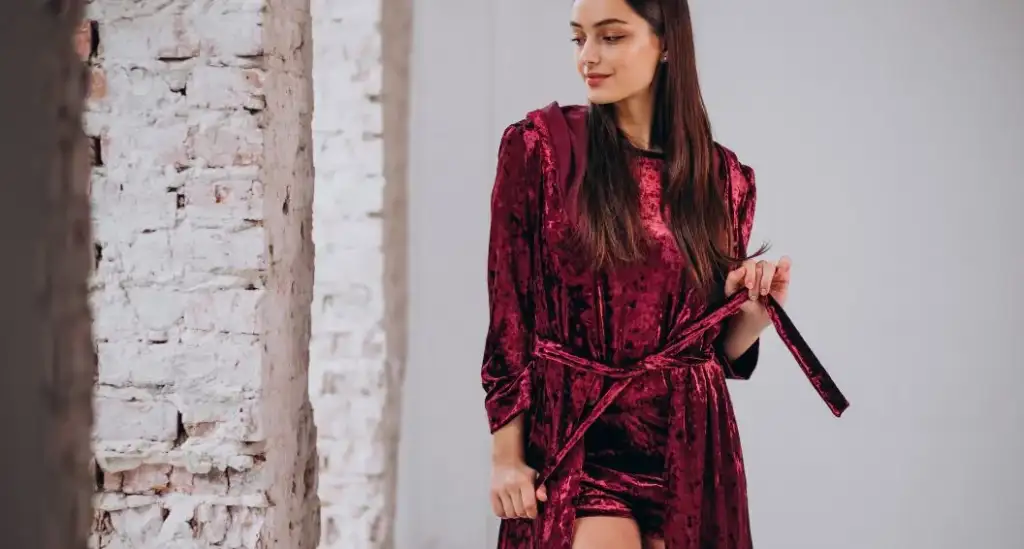
Color choice: Black hides everything and works year-round. But I’ve found that jewel tones (emerald, burgundy, navy) look expensive and photograph well. Pastels can wash out pale skin tones, a lesson learned after buying a blush pink one that made me look sick in photos.
Seasonal Styling Quick Reference
Spring: Slip dress + white sneakers + denim jacket + crossbody bag
Summer: Slip dress alone + strappy sandals + straw bag + sunglasses
Fall: Slip dress + chunky cardigan + ankle boots + tights (optional)
Winter: Slip dress + turtleneck underneath + knee-high boots + long coat
The versatility is real once you figure out layering. My black slip dress works literally every season with different pieces.
Real Brands Worth Buying
I’ve tried slip dresses from a bunch of brands. Here’s what actually worked:
- ASOS ($40-80): Great variety, decent quality, hit-or-miss sizing. Read reviews carefully.
- Zara ($50-100): Their satin slips drape beautifully but wrinkle like crazy. Worth it if you don’t mind ironing.
- Other Stories ($80-150): Lots of quality, artful cuts, fits really well.
- Reformation ($150-250): If you’re splurging, this is where to do it. The bias cuts are perfect, and the fabrics feel luxurious.
- Victoria’s Secret ($40-90): Surprisingly good for the price, especially their midi lengths.
My favorite is still the $60 ASOS dress I bought two years ago. I’ve worn it dozens of times, and it still looks great.
Conclusion
Slip dresses aren’t just for runway bodies or special occasions; they’re for anyone willing to style them with intention. When you choose the right size, fabric, and layers for your body, a slip dress stops feeling intimidating and starts feeling effortless. Whether you’re curvy, petite, athletic, or somewhere in between, the key isn’t changing your body, but changing the way you wear the dress. With a little trial, smart layering, and the right foundation pieces, slip dresses can easily become one of the most versatile items in your wardrobe.
Frequently Asked Questions
1. Do slip dresses really work for curvy bodies?
Yes. The right size and a bias-cut fabric help slip dresses skim curves instead of clinging.
2. Should I size up in a slip dress?
If you have curves, sizing up usually gives a better drape and a more flattering fit.
3. Can I wear a slip dress during the day?
Absolutely. Layer it with a white tee, cardigan, or jacket to keep it casual and polished.
4. What underwear works best with slip dresses?
Seamless nude underwear and nipple covers are the safest, most invisible options.
5. Are slip dresses appropriate for work or events?
Yes, with styling. Choose a midi length and add a tailored blazer or elegant accessories.