Share This Article
The first time I put on a jester outfit for Halloween, I thought thrift store bells and a floppy hat would cut it. Then I walked in next to someone in a properly structured medieval jester costume with a stiff tri-point hat and real metal bells, and I immediately understood what I’d done wrong.
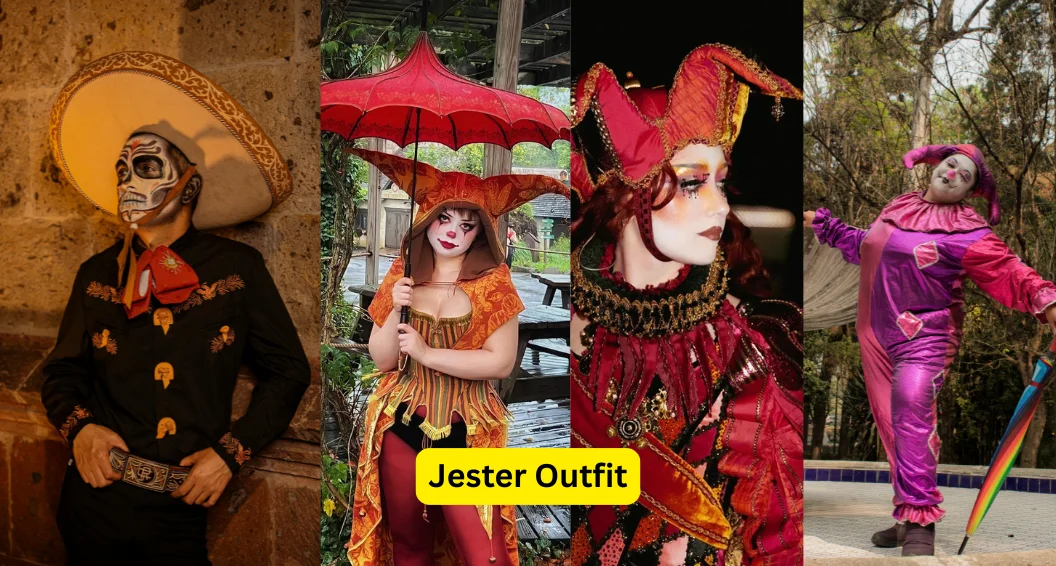
A jester outfit can look genuinely stunning or completely forgettable, depending on how much you know about it. Whether you’re dressing up for Halloween, a Renaissance fair, a Dress to Impress (DTI) event, or recreating a GPO look, the details matter.
This guide covers everything: what the costume is called, what it symbolizes, who made Chappell Roan’s version, and how to get the female and medieval looks right.
One thing I’ve learned after several years of costume events: people consistently underestimate how much research goes into pulling off a jester look that actually lands. It’s not just bells and a hat; there’s a whole visual language behind it. Once you understand that language, the costume becomes a lot more intentional and a lot more impressive.
What Is a Jester Outfit Actually Called?
The official term is motley, referring to the patchwork, multi-colored fabric court jesters wore. You’ll also hear it called a fool’s costume, harlequin suit, or jester’s livery. Livery was the formal term for a uniform worn by household entertainers in royal courts.
The tri-pointed hat (each point often tipped with a bell) is called a cockscomb or fool’s cap. The jester also carried a bauble, a stick with a carved jester’s head on top, used to ‘consult’ as a mock advisor, which was a satirical jab at the king’s real advisors.
Harlequin vs. Jester: Not the Same Thing
- Harlequin: Diamond-pattern costume, Italian commedia dell’arte roots, athletic character
- Jester: Motley patchwork fabric, English court roots, bells on a hat, and clothing
They’re both theatrical tricksters, but the costumes and origins are distinct. If your hat has diamonds, you’re dressed as a harlequin, not a jester.
Is a Jester Male or Female?
Historically, court jesters were almost entirely male. The documented records from medieval England, France, and other European courts show men in the formal role. That said, female jesters did exist. Mathurine served at the French court under Henry III and Henry IV in the late 1500s and reportedly had real political influence through her sharp wit.
The historical record on women jesters is thin mainly because women’s contributions were less likely to be written down, not because they weren’t there.
Jester Outfit Female Styles Today
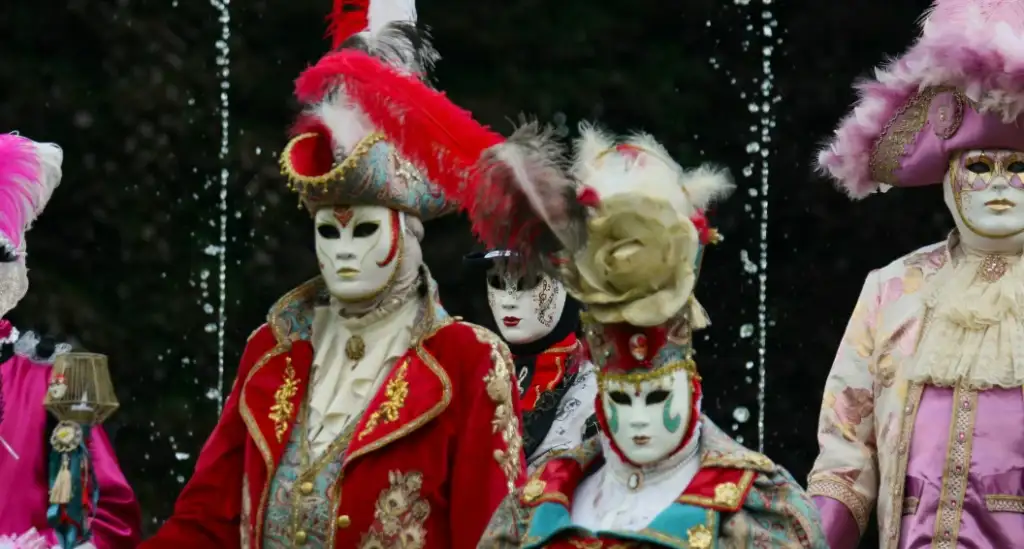
Modern jester outfit female designs are some of the most creative in the costume market. The typical female version features:
- Short skirt with a dagged (jagged) or scalloped hem
- Fitted corset or bodice
- Striped thigh-high stockings
- Two- or three-point jester hat
Popular color combos: red and black, purple and gold, green and black, or classic black and white. The shorter silhouette makes it practical for dancing and moving around, which matters at a long party.
What Does a Jester Costume Symbolize?
The jester’s costume was a symbol of licensed subversion. The hat and motley marked someone who had official permission to say uncomfortable things, the only person in the court who could mock the king without risking execution. Shakespeare understood this completely, which is why his wisest characters (like the Fool in King Lear) wear a jester’s costume.
Wearing it today tends to signal one of a few things:
- Playful irreverence: you don’t take yourself too seriously
- Theatrical taste: you like dramatic, expressive style
- Historical interest: especially for Renaissance fair enthusiasts
- Character cosplay: games and media with jester archetypes
Is the Jester Good or Evil?
Historically, neutral-to-positive. Jesters were entertainers, not villains. Pop culture has layered a darker, chaotic interpretation onto the archetype, such as Shaco from League of Legends or horror carnival imagery. That modern reading makes jesters versatile: you can style the costume as whimsical and sweet or genuinely unsettling, depending on your makeup and color choices.
Who Made Chappell Roan’s Jester Outfit?
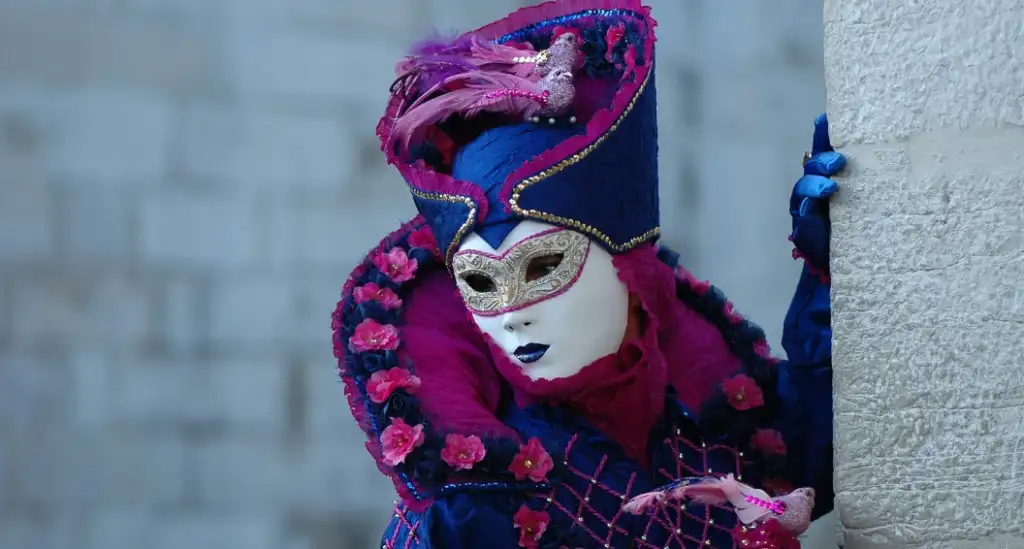
Chappell Roan’s jester-inspired looks draw directly from court jester and commedia dell’arte imagery, specifically the dramatic collar, painted face, and theatrical accessories. Her most viral versions were styled in collaboration with Law Roach, the celebrity stylist known for character-driven fashion, alongside various custom designers she works with on a per-look basis.
The looks are usually custom-built combinations rather than a single off-the-shelf costume: a corset base, theatrical ruffled collar, geometric face paint (diamonds under the eyes), and an exaggerated headpiece.
How to Recreate It for Less
- Fitted corset or bodice in black, red, or jewel tones
- Pointed collar (sold separately at most costume retailers for under $20)
- Structured tri-point jester hat (stiff, not floppy)
- Face paint (geometric diamond shapes under the eyes are the signature detail)
- Contrasting striped tights or leggings
Medieval Jester Outfit: Getting the Details Right
If you’re going to a Renaissance fair or want a historically grounded look, a few details separate an authentic medieval jester outfit from a cheap party store version.
The hat should be stiff with standing points, not limp fabric that droops. Real metal bells, not plastic. Fabric should be wool or linen in muted, natural tones, as medieval dyes didn’t produce neon colors.
The bauble is an often-overlooked prop that serious historical jesters carried: a stick with a carved jester head on top. It was used as a comic prop to ‘consult’ during performances. Adding one instantly signals historical awareness to anyone who knows their costume history.
What to Avoid
- Shiny polyester fabric: reads as cheap and inaccurate
- Neon or fluorescent colors: wrong for any historical period
- Plastic bells: metal only
- Floppy hat points: the structure is the whole silhouette
I’ve spent more on a proper wool jester doublet for fair events, and the difference in how people react to the costume is genuinely noticeable. Historical accuracy just looks more impressive in person.
Jester Outfit Styles at a Glance
| Style | Best For | Key Features | Price Range |
| Medieval | Renaissance fairs | Natural fabric, metal bells, stiff hat | $80–$300+ |
| Female Modern | Halloween, parties | Short skirt, bodice, striped tights | $30–$100 |
| DTI / Roblox | Gaming cosplay | Two-tone fitted look, two-point hat | Varies |
| GPO-inspired | Conventions, cosplay | Full motley suit, jewel tones | $50–$200 |
| Chappell Roan | Fashion events, shoots | Custom styling, face paint, and collar | $100–$500+ |
The Jester Hat: The Detail That Makes or Breaks It
The jester hat is the single most important piece. Once this is right, everything will fall into place.
- Two-point hat: Simpler, easier to wear for long events. Good starting point.
- Three-point tricorne: The classic silhouette. Points must stand upright, as drooping ruins the look.
- Cockscomb style: Single ridge, historically accurate, less common today.
What to look for when buying: stiff internal structure, real bells that ring, a secure hat band that won’t fall off mid-night. I’ve bought cheap jester hats that collapsed by 10 p.m. Spend $40–$50 on the hat from an Etsy costume maker rather than $12 from a party store, as it’s the one piece worth the upgrade.

DTI and GPO Jester Outfits Explained
For players of Dress to Impress (DTI) on Roblox, the jester outfit features a fitted two-tone bodice, short ruffled skirt, striped tights, and a two-point hat, typically black and red. To cosplay it: fitted two-color corset, matching ruffle skirt, striped thigh-highs from Amazon or Hot Topic, and a structured two-point hat.
The GPO jester outfit (Grand Piece Online) is more dramatic: a full motley suit with exaggerated shoulder points, three-point hat, and jewel tones like deep purple, gold, and green. For this version, look for a full-body jester suit rather than separates. The overall silhouette matters more than individual piece details.
The 4 Types of Costumes
People ask this often, so here’s the quick breakdown:
- Historical costumes: Accurate to a specific time period
- Character costumes: Based on specific fictional or real people
- Conceptual costumes: Represent an idea or archetype
- Fancy dress costumes: Any costume worn for social events, the British term for what Americans call costume parties
Jester outfits can fit all four categories depending on how you approach them, which is part of what makes the jester costume such a flexible choice.
Conclusioin
A jester outfit has genuinely earned its staying power. It connects to real history, carries symbolic meaning, and works across an enormous range of occasions, from Halloween to Renaissance fairs, gaming cosplay, and fashion-forward styling.
The difference between a forgettable jester costume and a truly striking one almost always comes down to the hat. Get a stiff, well-made tri-point hat, commit to a clear two- or three-color palette, and decide early whether you’re going whimsical or dark, as the accessories and makeup follow from that choice.
Want more costumes and outfit ideas? Explore more style guides and inspiration on WhatToWears.com and find your next standout look.
Frequently Asked Questions
1. What is a jester outfit called?
A jester outfit is traditionally called motley, referring to the colorful patchwork fabric worn by medieval court jesters. It often includes a tri-point jester hat with bells, a patterned tunic, tights, and playful accessories.
2. Is a jester male or female?
Historically, most jesters were male entertainers in royal courts, but female jesters also existed. Today, a jester outfit can be worn by anyone, with modern female versions featuring skirts, corsets, and striped tights.
3. What does a jester costume symbolize?
A jester costume symbolizes humor, freedom of speech, and playful rebellion. In medieval courts, jesters were the only people allowed to mock rulers openly while entertaining with jokes, music, and satire.
4. What is a medieval jester outfit?
A medieval jester outfit includes a motley tunic, colorful tights, a structured tri-point jester hat with bells, and sometimes a bauble staff. Authentic versions use wool or linen fabrics and muted historical colors.5. What is a jester hat?
A jester hat, also called a fool’s cap or cockscomb, usually has two or three pointed tips with bells at the ends. It’s the most recognizable part of a jester outfit and symbolizes the playful nature of the character.