


Share This Article
The first time I wore jeans on a trail, I learned a very uncomfortable lesson about cotton. Two miles in, my legs were chafing, my waistband was digging in, and I had sweat straight through my T-shirt. Nobody warned me.
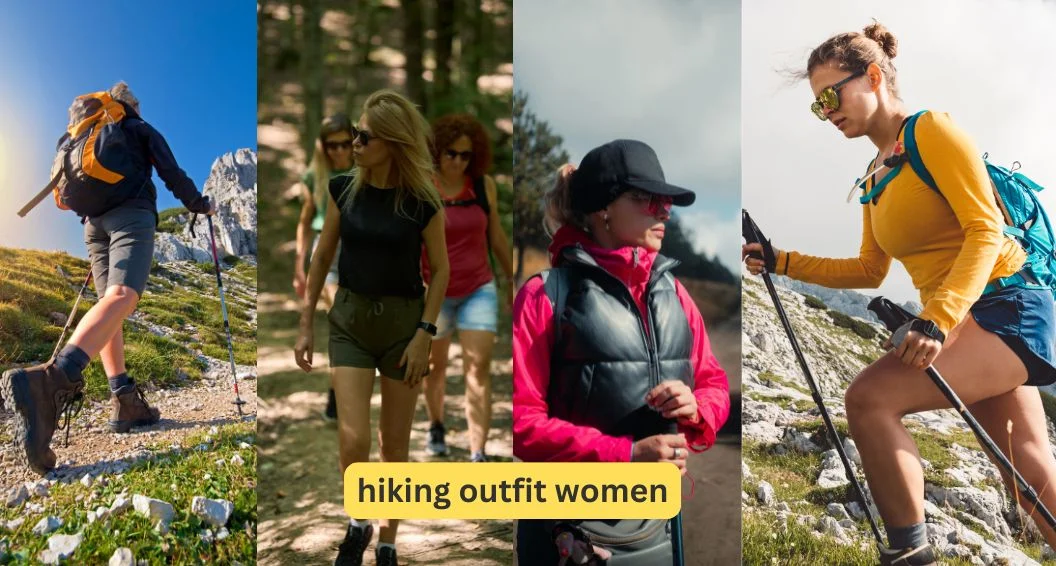
That experience sent me down a serious rabbit hole about what women should actually wear hiking, not the Instagram-perfect version, but the real, functional hiking outfit women can count on, whether they’re tackling a mountain pass or a weekend nature walk.
This guide covers everything: what fabrics hold up, how to dress for different seasons, what to skip, and specific picks I’ve personally tested and loved. Whether you’re a beginner or you’ve been on the trail for years, there’s something here for you.
Why Your Hiking Outfit Matters More Than Your Gear
Most people obsess over the right trail map or the best water bottle. Clothes are usually an afterthought. That’s backwards. What you wear directly affects your energy, comfort, and safety, especially in changing weather.
I’ve talked to women who packed stylish outfits for a warm-weather hike, only to be shivering in a thin cotton hoodie two hours in when clouds rolled in. The right clothing system keeps your body regulated, protects your skin, and yes, still lets you look great in photos.
The Three-Layer Rule (It’s Simple, I Promise)
Every solid hiking outfit is built around three layers:
- Base layer: sits against your skin; wicks moisture away
- Mid layer: insulates you when temps drop
- Outer layer: blocks wind, rain, or both
You don’t always need all three; a warm summer day might just be base layer territory. But understanding the system means you’re never caught off guard.
Fabric Is Everything
Real talk: cotton is your enemy on the trail. It absorbs sweat and holds it, which makes you cold and uncomfortable fast. What you want instead:
- Merino wool: warm, breathable, naturally odor-resistant
- Polyester blends: lightweight, fast-drying, affordable
- Nylon: strong, wind-resistant, good for pants
- Bamboo blends: soft, sustainable, great for base layers
I once bought a cheap polyester tank from a fast fashion store, thinking it would work fine. It did, better than the cotton ones. You don’t need expensive gear to start, just the right material.
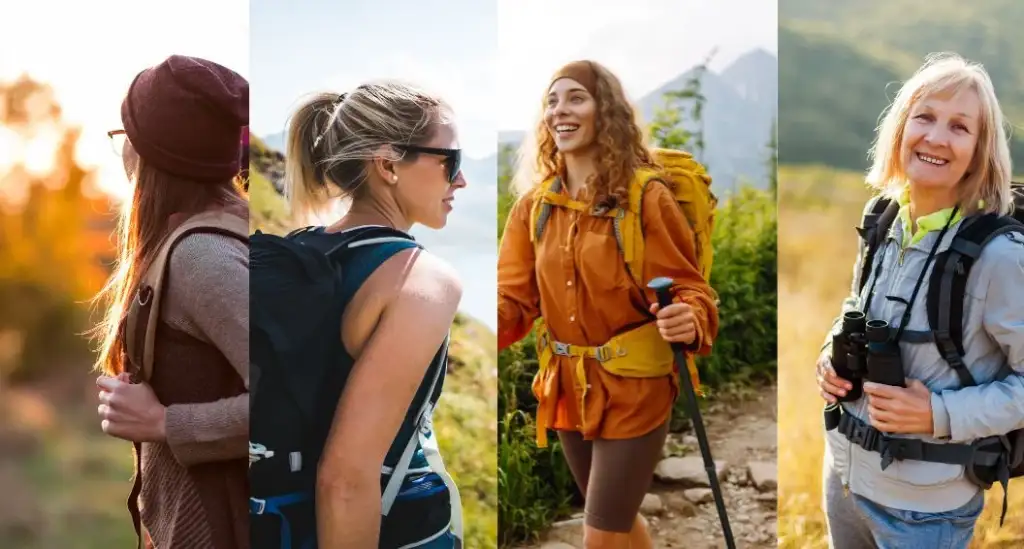
The Best Hiking Outfit Women Should Build From the Bottom Up
Let’s talk specifics, starting with your feet and working up. This is the area where the greatest novice errors occur.
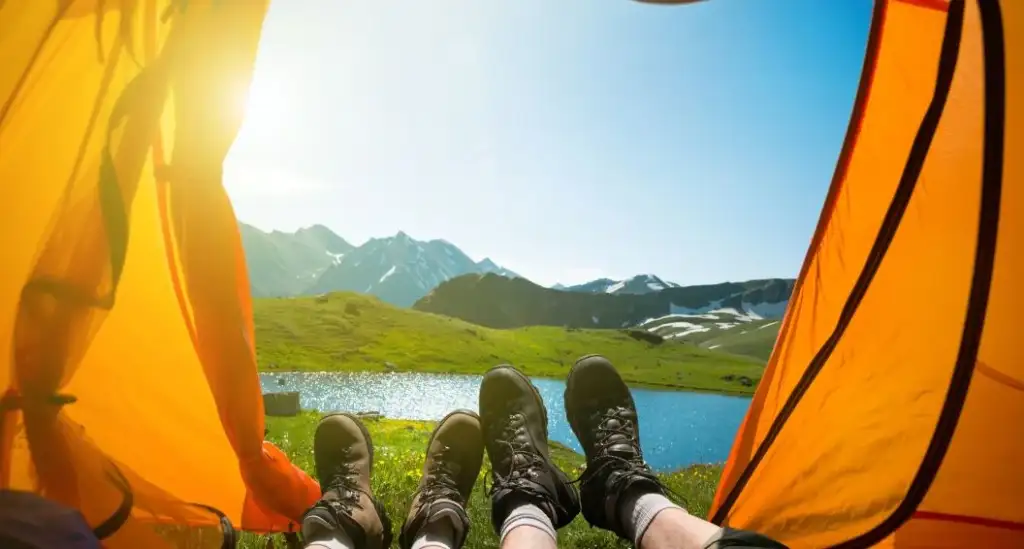
Footwear: Boots vs. Trail Runners
This is honestly a personal preference debate, but here’s what I’ve found after years of trial time:
| Footwear Type | Best For | Downside |
| Hiking boots (mid or high) | Rocky terrain, heavy packs, ankle support | Heavier, takes longer to break in |
| Trail runners | Well-maintained trails, day hikes, speed | Less ankle support on uneven ground |
| Approach shoes | Scrambling, versatile use | Not waterproof by default |
I personally wear Salomon Speedcross trail runners for anything under 10 miles and switch to Merrell Moab hiking boots when I’m carrying a heavy pack or doing technical terrain. Both typically run $100–$160.
One thing nobody warns you about: hiking boots fit differently from sneakers. You want about a thumb’s width at the toe, a snug heel, and zero sliding when you walk downhill. Placing them with hiking socks is always a good idea before buying.
Socks: The Unsung Hero of Your Outfit
Wear merino wool socks. Every time. Darn Tough and Smartwool are the standard ones. They run $20–$25 per pair but last for years. Absolutely worth it.
I ruined a 12-mile hike in the Smokies because I grabbed cotton athletic socks in a rush. By mile four, I had a blister the size of a quarter.
Hiking Pants, Leggings, or Shorts?
All three work, but they’re not interchangeable:
- Hiking leggings are great for warm weather, flexibility, and looking cute. Go for ones with UPF protection and a high waistband. Lululemon’s Align pants are beloved in the hiking community, but Athleta and REI’s own brands are more budget-friendly options.
- Cargo hiking pants are practical for longer treks. Columbia and Prana make excellent options in the $60–$90 range.
- Hiking shorts shine in summer, especially if you run warm. Look for 4-inch or 6-inch inseam,s depending on your preference.
My personal go-to: Patagonia Quandary pants. They’re lightweight, convert to shorts, dry in under an hour, and look good enough to wear around town after a hike. I’ve had my pair for four years. That’s value.
Hiking Outfit Women Love for Summer Trails
Summer hiking is its own challenge: sun exposure, heat, sweat, and bugs all factor in. Here’s what actually works:
Tops That Won’t Make You Miserable
A moisture-wicking tank or short-sleeve shirt is your best friend. Look for:
- UPF 30+ or UPF 50+ rating if you’re exposed to full sun
- Mesh ventilation panels in the back or underarms
- Flattering cuts that don’t bunch when you move
I’ve been wearing REI Co-op’s Sahara Shade shirts for summer desert hikes. They’re breezy, protect my shoulders, and I got a compliment on mine at a trailhead last August. Function and style: it’s possible.
Summer Layering Strategy
Even in summer, pack a lightweight wind jacket. Mountain weather changes fast. An ultralight packable jacket like the Columbia Flash Forward Windbreaker folds into its own pocket and weighs almost nothing. You’ll be grateful you have it.
Don’t Forget Sun Protection
A wide-brim sun hat is non-negotiable in exposed terrain. I like the REI Sahara Packable Hat because it folds up small and actually shades my neck, too. The summer is completed with sunglasses that have UV protection.
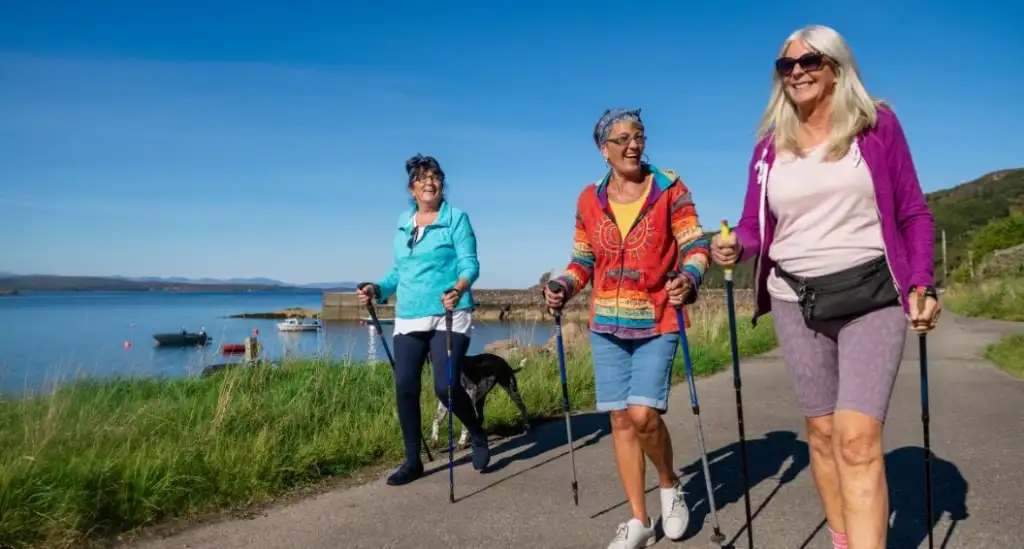
Winter & Cold-Weather Hiking Outfit Women Should Know About
Cold-weather hiking intimidates a lot of women who are new to trails. But hiking outfit women wear in winter just requires smarter layering; it doesn’t have to be bulky or complicated.
The goal in cold weather isn’t to be warm standing still. It’s to be comfortable while moving AND during breaks. Those two states need different layers.
Base Layer: Merino or Synthetic
In true cold (anything below 40°F), go for merino wool base layers. They regulate temperature better than synthetics and don’t get rank after heavy use. Icebreaker and Smartwool are the brands I trust most. A good merino long-sleeve top runs about $80–$120, but it’s an investment worth making.
Mid Layer: The Warm Heart of Your System
A fleece or down vest works beautifully here. I gravitate toward the Patagonia Better Sweater fleece because it’s warm, packs down okay, and looks good enough for a post-hike coffee stop. For really cold days, a lightweight down jacket like the Arc’teryx Cerium is phenomenal. It is pricey, but genuinely exceptional warmth for the weight.
Outer Layer: Wind & Waterproof
A hardshell jacket protects against wind, sleet, and rain. Look for a jacket with pit zips, as those underarm ventilation zippers are genuinely useful when you’re working hard on an uphill. Columbia’s Arcadia II is a solid budget option at around $90. The Patagonia Torrentshell 3L is a step up at $150 and is worth it if you hike in genuinely wet climates.
Bottom Half in Cold Weather
Softshell pants over thermal leggings are my go-to below 35°F. Columbia’s Saturday Trail II pants are affordable and cut nicely. For extreme cold, consider waterproof insulated pants, as they change everything on snowy trails.
Hiking Outfit Ideas for Different Trail Situations
| Season / Condition | What to Wear | Key Tip |
| Spring / Fall | Moisture-wicking base, fleece mid, packable rain shell, convertible pants | Zip off pant legs mid-hike as temps rise |
| Summer / Hot Weather | Lightweight UPF long-sleeve, shorts, trail runners, wide-brim hat | Light colors reflect heat; pack a wind jacket anyway |
| Winter / Snow Trails | Merino base, down mid, hardshell outer, waterproof boots, wool beanie | Layer for movement, not for standing still |
| Rainy / Wet Trails | Waterproof jacket + pants, quick-dry base, waterproof boots | Pack dry bags for phone and extra layers |
What to Wear on a Hiking Date
I’ve been asked this so many times. The honest answer: wear exactly what you’d wear on a regular hike, but choose pieces that feel put-together. A fitted long-sleeve merino top in a nice color, well-fitted hiking leggings, and clean boots. Add a baseball cap or beanie. You’ll look intentional, not like you rolled out of bed, and you’ll actually be comfortable.
Hiking Outfit for Women with Different Body Types & Modest Styles
Not every hiking guide acknowledges this, and it frustrates me. Hiking does not have a body and does not have a style.
Plus-Size Hiking Outfits
REI, Athleta, and Torrid all carry extended sizes in genuine performance fabric, not just upscaled standard cuts. Look for leggings with compression waistbands, not thin elastic that rolls down on the trail. Shorts with an inner brief liner prevent chafing on longer hikes. Columbia and The North Face both offer plus sizes in their most popular pants.
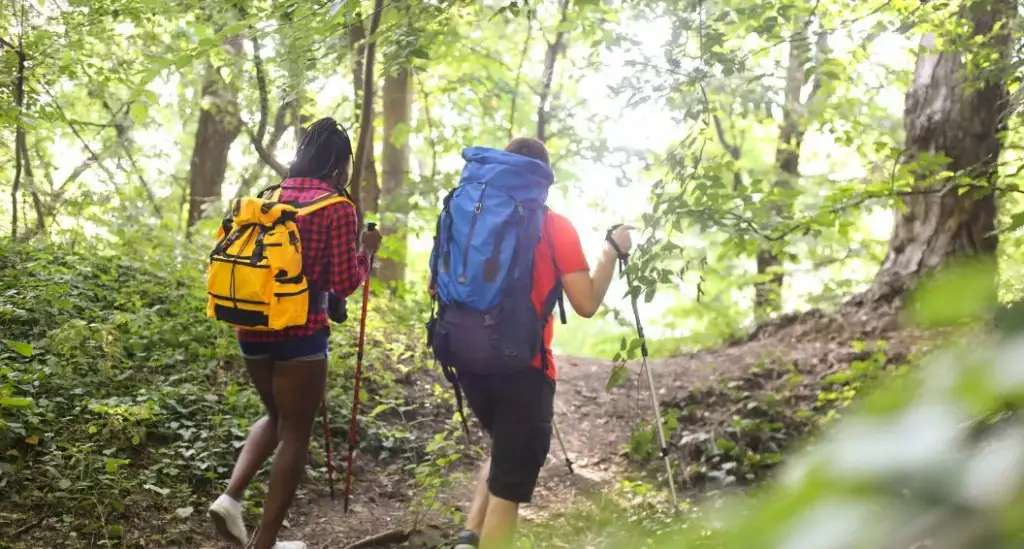
Modest Hiking Outfits (Including Hijab-Friendly Looks)
Full-coverage hiking is completely doable with the right fabrics. Long sleeve UPF shirts, full-length lightweight pants, and a moisture-wicking under-hijab like the ones from Ninja Hijab or Asiya Sport make a huge difference on warm-weather hikes. For winter, layering works just as well for modest dressers, as the system doesn’t change, only the specific pieces do.
Aesthetic Hiking Outfits
Wanting to look good on the trail is completely fine. Earthy tones (olive, brown, rust, beige) photograph beautifully in natural settings and coordinate well with most gear. Matching sets from brands like Free People Movement or Vuori give a polished look without sacrificing function.
The “old money hiking aesthetic” you’ll see on Pinterest is basically: earth tones, well-fitted pieces, and quality materials. Nothing trendy, just clean and intentional. A brown fleece vest, cream merino turtleneck, and olive cargo pants nail it without trying too hard.
Common Mistakes Women Make When Building a Hiking Outfit
Of the main part of these, I have been myself; so censure not:
- Wearing new boots without breaking them in. Wear your new hiking boots around the house, to the grocery store, and on short neighborhood walks before you wear them on a real trail. Blisters from stiff new boots will end a hike fast.
- Overdressing for the start temperature. You’re going to warm up fast once you start moving. Dress for how warm you’ll be after 15 minutes of walking, not how cold you feel standing at the trailhead.
- Skipping sun protection on overcast days. Cloud cover doesn’t block UV rays. A bright, overcast day at elevation can burn you worse than a sunny day at sea level.
- Wearing too-tight leggings. Tight pants restrict movement on uphills and feel awful after several hours. Go for a comfortable, secure fit, not painted on.
- Forgetting about pack compatibility. If you’re wearing a hydration pack or backpack, make sure your shoulder layers don’t bunch up uncomfortably. Seams in the wrong place create pressure points fast.
Putting It All Together
Building a solid hiking outfit for women doesn’t require a huge budget or a complete wardrobe overhaul. Start with the basics (moisture-wicking layers, a waterproof shell, comfortable footwear) and add to your kit over time as you figure out what you actually need for the trails you hike.
If you’re just starting, my honest suggestion: buy one pair of quality hiking pants, two moisture-wicking base layer tops, a packable rain jacket, and decent trail shoes or boots. That’s genuinely enough to get you comfortable on most day hikes. Everything else is refinement.
The best outfit is the one you forget you’re wearing because you’re too busy enjoying the view.
What trail are you planning to tackle next? Drop a comment; I’d love to hear what kind of terrain you’re dressing for. Found this helpful? Save it for later and share it with a friend who needs this.
Conclusion
The right hiking outfit makes every trail easier, safer, and more enjoyable. Focus on comfort, smart layering, and breathable fabrics, and build your look over time. For more easy outfit ideas and guides, visit whattowears.com.
Frequently Asked Questions
1. What should women wear for hiking as beginners?
Start with moisture-wicking clothes, comfortable trail shoes or boots, and a light jacket. Avoid cotton and choose breathable fabrics like polyester or merino wool for better comfort.
2. Are leggings good for hiking?
Yes, hiking leggings are great for flexibility and comfort, especially on short or moderate trails. Choose high-quality, sweat-wicking leggings with good stretch and support for the best results.
3. Can I wear jeans while hiking?
No, jeans are not recommended for hiking. Cotton holds moisture, causes chafing, and becomes uncomfortable quickly. Always go for quick-dry, breathable materials instead.
4. What is the best fabric for hiking outfits?
The best fabrics include merino wool, polyester, and nylon. These materials are lightweight, breathable, and dry quickly, keeping you comfortable during long hikes.5. How should I dress for hiking in different weather?
Use the three-layer system: a base layer to wick sweat, a mid layer for warmth, and an outer layer for protection. Adjust layers based on temperature and weather conditions.



1 Comment