Share This Article
My grandmother had this embroidered blouse she wore to every celebration, with hand-stitched flowers climbing up the sleeves, colors so vivid they looked painted. She bought it in Oaxaca in the 1970s, and every time she wore it, strangers stopped her to ask where she got it.
That’s the power of Mexican dresses for women. There’s nothing quite like them.
But here’s the frustrating part: actually finding the real thing, whether you’re shopping locally or online, can feel overwhelming. There are so many styles, so many names, and so many knockoffs that skip the craftsmanship entirely. I’ve been navigating this for a while, and I want to save you the guesswork.
In this guide, we’ll walk through everything: the traditional names and their meaning, how to find styles that fit your body and occasion, where to shop for elegant Mexican dresses that last, and a few mistakes I’d honestly rather forget.
What Makes a Mexican Dress Actually Mexican?
Before you buy anything, it helps to understand what you’re looking at. Mexican dress traditions vary dramatically by region, and each style carries a history that goes back hundreds of years.
The Huipil: The Original
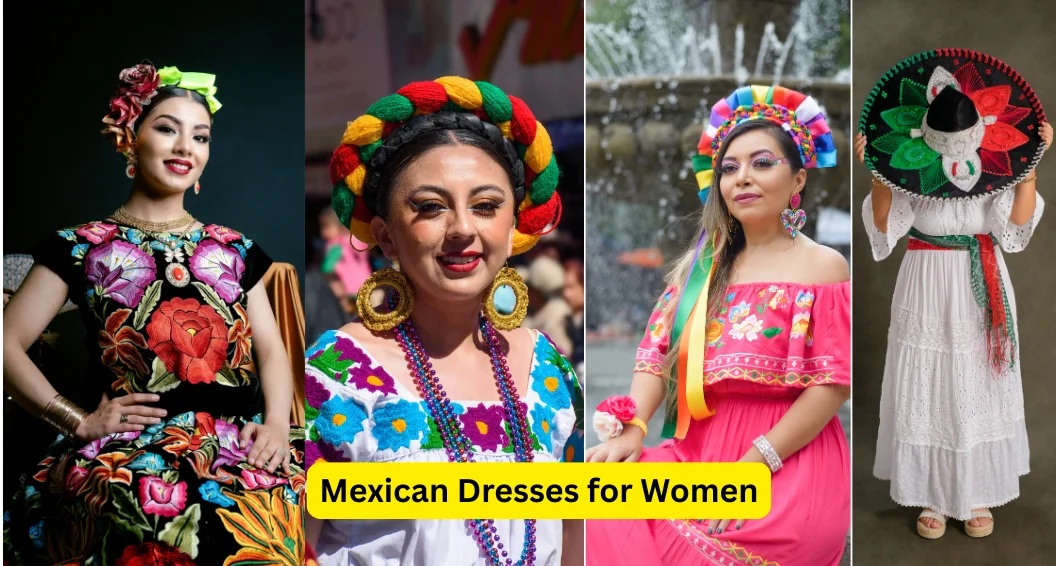
The huipil (pronounced “wee-PEEL”) is one of the oldest garments in Mesoamerican culture. It’s a loose, rectangular tunic, usually sleeveless or short-sleeved, covered in intricate woven or embroidered designs. Indigenous communities in Oaxaca, Chiapas, and Yucatán still make them by hand, and the patterns often carry meaning, such as family lineage, region, and marital status.
When you see bold geometric embroidery on a boxy blouse at a boutique, that’s almost certainly inspired by the huipil.
The Tehuana Dress: Pure Drama
Made famous by Frida Kahlo, the Tehuana is the full-length traditional dress from the Tehuantepec region of Oaxaca. Long, ruffled skirt. Fitted embroidered top. Flower crown is optional but highly encouraged. This is the style most people picture when they think of traditional Mexican dress for women at formal events.
Frida wore them deliberately, as a political statement of indigenous pride. That context matters. When you wear a Tehuana-inspired gown, you’re wearing something with deep cultural weight, not just a pretty outfit.
Bordados: The Embroidered Everything
What are the Mexican embroidered dresses called? A lot of people ask this, and the honest answer is: it depends. Embroidered garments span many styles. The word bordado simply means “embroidered” in Spanish. But the most well-known category of embroidered dresses is the Oaxacan dress or vestido bordado, a midi or maxi dress covered in flowers, animals, and geometric shapes stitched in bright thread.
The embroidery style varies by region: San Antonino stitching is different from Teotitlán del Valle, which is different from Chiapas. Real handmade versions can take weeks to complete and cost accordingly.
Casual Mexican Dresses for Women: What I Actually Wear
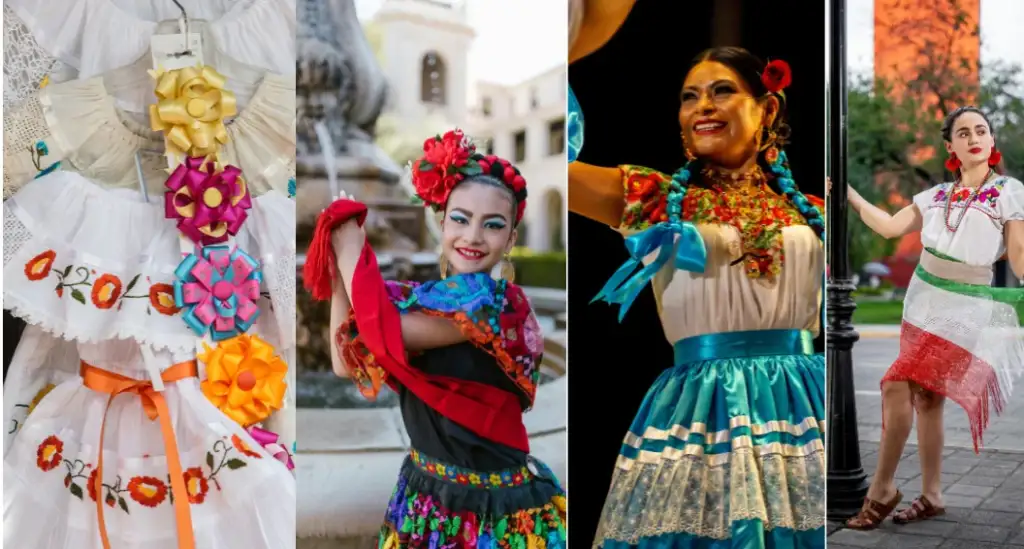
Not every occasion calls for a floor-length Tehuana gown. Sometimes you just want something comfortable, colorful, and a little different from the usual summer dress.
The Everyday Embroidered Shift
My go-to for casual wear is a loose cotton shift with embroidered trim around the neckline and hem. Easy to find, easy to style, and genuinely comfortable in warm weather. I picked mine up at a small market in San Miguel de Allende for about $40, and I’ve worn it more than any dress I’ve bought at a mall.
Casual Mexican dresses for women in this style work well with sandals, sneakers, or even low mules if you want to dress them up slightly.
The Flowy Maxi
Maxi casual Mexican dresses for women are having a moment right now, and honestly, I understand why. A white or cream embroidered maxi is an outfit in itself. You don’t need accessories. The dress does all the work.
Look for:
- 100% cotton or manta fabric, breathable and traditional
- Hand or machine embroidery (hand will cost more and last longer)
- Elastic or drawstring waist if you want versatility
What to Avoid with Casual Styles
I bought a “Mexican-inspired” dress on a fast fashion site once. The embroidery was printed fabric, not stitched. It started peeling after two washes. Total waste. If you’re shopping online, look for sellers who actually describe the fabric and embroidery method. If they don’t mention it, ask.
Elegant Mexican Dresses: When You Want to Make a Moment
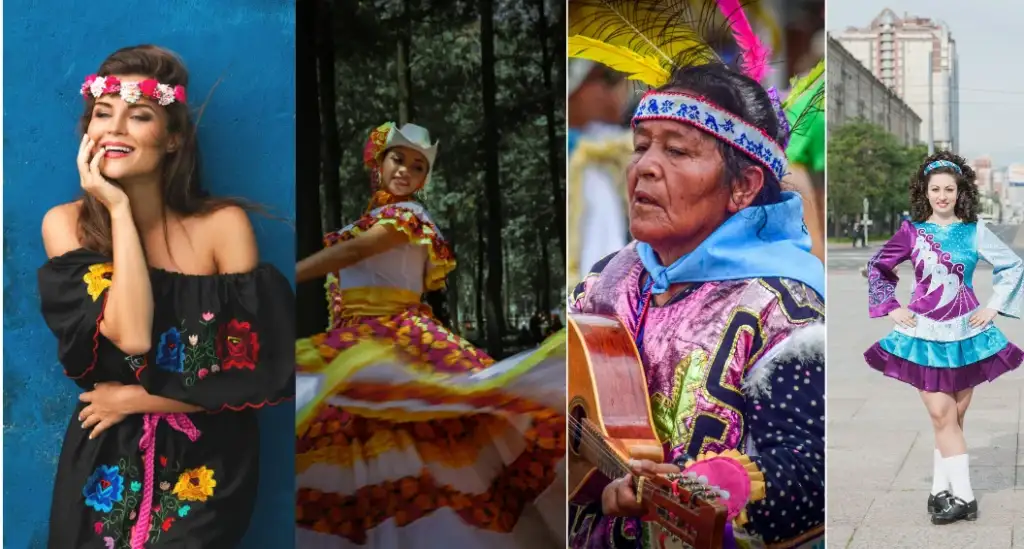
There’s a whole category of elegant Mexican dresses that bridge traditional craftsmanship with modern cuts. These aren’t costumes; they’re genuinely sophisticated garments.
Modern Mexican Dress Styles
The modern Mexican outfit for women often takes traditional elements (the embroidery, the silhouettes, the color palettes) and applies them to contemporary shapes. Think:
- Embroidered wrap dresses with deep V-necks
- Off-shoulder midi dresses with floral Oaxacan stitching
- Sleeveless column dresses with bordado panels at the hem
- A-line gowns with mestiza-inspired lace overlay
Brands like MOCIUN, Mestiza New York, and Nuestro Studio do this incredibly well. These are not cheap (expect $150–$400 for quality pieces), but the construction and sourcing are usually transparent.
Midi Mexican Dresses for Women
The midi length is actually a sweet spot for these styles. Long enough to feel formal, short enough to move freely. If you’re going to a garden party, a wedding, or even a gallery opening, an embroidered midi in deep indigo or terracotta will look more interesting than anything from a department store.
Pair with:
- Block heel sandals (keep it grounded)
- Simple gold earrings (the dress is the statement)
- A lightweight wrap if the evening gets cool
Mexican Dresses for Women Plus Size: A Real Conversation
Finding Mexican dresses for women in plus size used to require serious hunting. That’s changed somewhat, but it’s still not as easy as it should be.
Where the Sizing Actually Works
Traditional Mexican garments (the huipil, especially) are cut generously by design. They’re loose, boxy, and meant to flow. This is genuinely good news if you wear a 1X or 2X, because the original garments often work better at larger sizes than at smaller ones. A huipil that fits a size 4 might look a little droopy; the same piece on a size 18 looks intentional and beautiful.
For more structured styles like the Tehuana or fitted embroidered dresses, look for brands that offer extended sizing with actual measurements. Mestiza New York, for example, carries up to a size 24 in some styles. Etsy sellers who make to order are often the best bet, as you give your measurements, they make the dress.
What to Look For in Plus Size Shopping
- Adjustable waists: drawstrings or elastic panels give you flexibility
- Natural fabrics: cotton breathes, polyester does not
- Sellers with size guides: if there’s no size chart, reach out before buying
- Made-to-order options: worth the wait
Don’t settle for “one size fits all” when the garment genuinely matters to you. Some sellers take this seriously.
Finding Mexican Dresses for Women Near Me
This is the search that drives people a little crazy: Mexican dresses for women near me. The results vary widely depending on where you live.
What Actually Works
If you’re in a city with a significant Mexican or Latin American community, start there. Tianguis-style markets, quinceañera boutiques, and independent Latin clothing stores often carry the real thing at reasonable prices. These shops don’t show up well in Google searches, but asking around in the community works better than any algorithm.
Farmers markets and artisan fairs are another underrated source. I’ve found some of my favorite pieces at local markets from vendors who import directly from Oaxacan cooperatives.
Shopping Online with Confidence
For casual Mexican dresses for women near me that you can’t find locally, the best online options are:
- Etsy: search specifically for “handmade Oaxacan dress” or “bordado dress” and filter for sellers in Mexico
- Novica (now Uncommon Goods partner): works directly with artisan cooperatives
- Zapotec Dreams: smaller site, quality
- Mexican Sugar Skull: a good range of casual and festive styles
Read reviews carefully. Look for photos from actual customers, not just the seller’s product shots.
Traditional Mexican Dress Names: A Quick Reference
People often search for the traditional Mexican dress name without knowing what they’re actually looking at. Here’s a fast cheat sheet:
| Dress Name | Region | Key Features |
| Huipil | Oaxaca, Chiapas, Yucatán | Rectangular tunic, woven/embroidered |
| Tehuana | Tehuantepec, Oaxaca | Long skirt, embroidered top, ruffles |
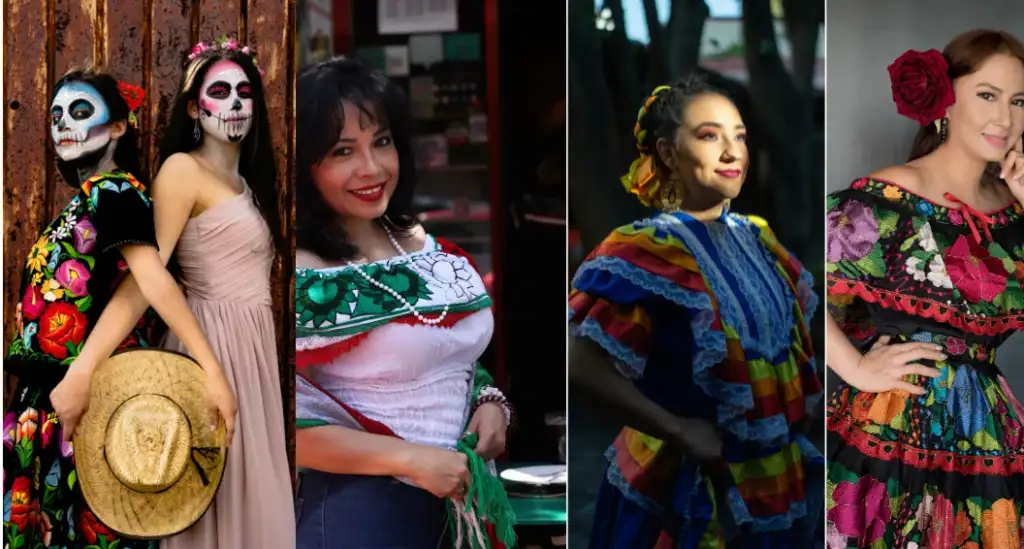
| China Poblana | Puebla | Red/green skirt with sequins, white blouse |
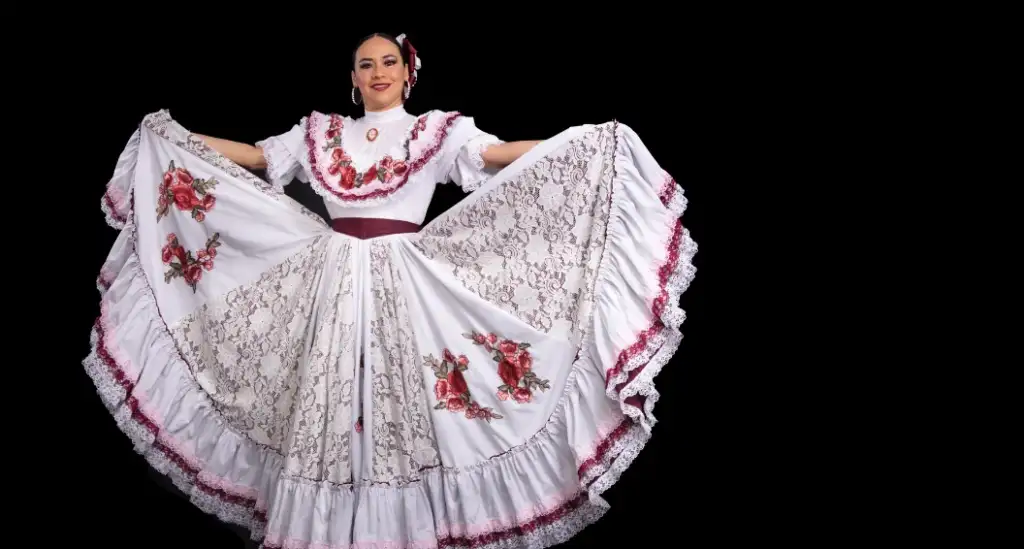
| Mestiza | Yucatán | White dress with colorful embroidery |
| Quechquemitl | Central/North Mexico | Triangular shoulder garment |
The China Poblana is often what appears in festive performances and Mexican Independence Day celebrations. The Mestiza dress from Yucatán is more often seen in weddings and regional festivals. They’re distinct garments with different cultural roots, and they’re not interchangeable.
How to Style Mexican Dresses Without Looking Costumey
This is a real concern, and I respect anyone who brings it up. There’s a difference between appreciating and wearing these garments thoughtfully versus treating them like a Halloween prop.
The Thoughtful Approach
- Know what you’re wearing. If you bought an Oaxacan bordado dress, learn a little about where the style comes from. You don’t need to write a dissertation, but awareness goes a long way.
- Let the dress be the focal point. These garments are loud in the best way. Keep accessories minimal.
- Mix with neutrals. A heavily embroidered dress with simple leather sandals and no jewelry looks intentional. Adding multiple competing elements gets messy.
Occasion Matching
- Casual brunch or market: Embroidered shift + sneakers or flat sandals
- Summer wedding guest: Embroidered midi + block heels + simple earrings
- Formal event: Tehuana-inspired gown + strappy heels + flower accessories
- Everyday wear: Cotton huipil-style top + jeans or linen pants
Where Mexican Fashion Is Going
The modern Mexican dress scene is genuinely exciting right now. Young Mexican designers (many trained in Europe or the US) are taking traditional craft techniques and building contemporary collections around them.
Labels like Pineda Covalin, Carla Fernández, and Yakampot work directly with indigenous artisan communities, paying fair wages and preserving techniques that might otherwise disappear. Buying from these brands isn’t just a fashion choice; it’s participating in something that actually matters.
The trend toward handmade, slow fashion has also created more space for these garments in international markets. Elegant Mexican dresses from independent artisans now appear in boutiques in New York, Paris, and Tokyo. That’s a shift worth noticing.
What to Actually Do Now
If you’ve made it this far, here’s the honest short version:
Start with casual. An embroidered cotton dress under $60 from a verified Etsy seller is the lowest-risk entry point. Wear it, wash it, see how you feel in it.
Move up to elegant. Once you know you love the aesthetic, invest in one well-made piece from a brand that sources transparently. It’ll outlast 10 fast-fashion purchases.
Shop local when you can. Communities with Mexican roots often have incredible, unknown shops that are worth supporting.
Mexican dresses for women aren’t a trend. They’ve been worn and made for centuries by women who knew exactly what they were doing. The best way to wear them is to appreciate that, and to buy from people who still make them the right way.
Conclusion
Mexican dresses for women are more than just beautiful clothing; they carry history, craftsmanship, and cultural meaning in every stitch. Whether you start with a simple embroidered shift or invest in a statement piece, the key is choosing quality and wearing it with intention. Take your time, learn the styles, and support authentic makers whenever possible. When you do, you’re not just building a wardrobe; you’re connecting with something timeless.
Discover your perfect look today at whattowears.com, where style meets confidence in every outfit.
Frequently Asked Questions
1. What are traditional Mexican dresses called?
Traditional Mexican dresses include styles like the huipil, Tehuana, and Mestiza dress, each with unique designs tied to specific regions.
2. Are Mexican dresses suitable for everyday wear?
Yes, many casual styles like embroidered cotton shifts and maxi dresses are comfortable enough for daily wear, especially in warm weather.
3. How can I tell if a Mexican dress is handmade?
Look for detailed stitching, slight imperfections, natural fabrics, and product descriptions that clearly mention hand embroidery or artisan work.
4. Where can I buy authentic Mexican dresses online?
You can find authentic options on platforms like Etsy or from brands that work directly with Mexican artisans and cooperatives.
5. How do I style a Mexican dress without looking overdressed?
Keep accessories simple, pair with neutral shoes, and let the dress be the main focus for a balanced, effortless look.