Share This Article
My most-complimented outfit of last year cost me $47 total. Loose embroidered blouse from an Oaxacan seller on Etsy, wide-leg linen pants from a thrift store, and brown leather sandals I’ve owned since 2019. A woman at a gallery opening stopped me mid-conversation to ask if I was a stylist.
I’m not. I just spent a few years figuring out what actually makes a boho outfit work, and what makes it look like you raided a Halloween costume bin.
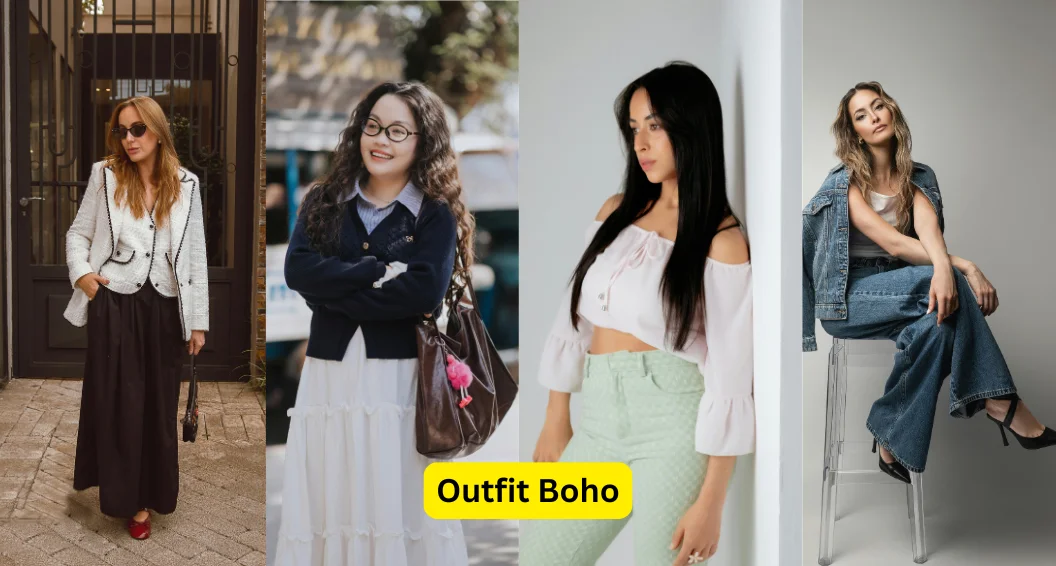
That’s the real problem with outfit boho styling. There’s so much advice online, but most of it is either too vague (“layer textures!”) or too trend-focused (“this season’s must-haves!”). Neither helps you build something that looks pulled together, personal, and genuinely good on your actual body.
This guide is what I wish I’d had three years ago. We’ll cover the core building blocks of a boho outfit, how Mexican dress traditions tie into the aesthetic in a real and meaningful way, what works for different body types, and how to avoid the mistakes that make boho look cheap instead of cool.
What a Real Outfit Boho Is Actually Built On
Most style guides skip this part and jump straight to product lists. That’s a mistake, because if you don’t understand the foundation, you’ll keep buying pieces that don’t work together.
The Boho Philosophy: Movement, Texture, Story
A genuine Outfit Boho isn’t about specific items, it’s about how pieces relate to each other. The aesthetic grew out of the 1960s and ‘70s counterculture, pulling from folk dress traditions across Mexico, India, Morocco, and Eastern Europe. What those traditions share is an emphasis on handcraft, natural materials, and clothing that moves with the body rather than constraining it.
That’s why a good boho look always has at least one piece with a clear handmade quality, such as embroidery, crochet, hand-block print, or hand-weaving. Without that, you just have flowy clothes. With it, you have an outfit that has something to say.
The Three-Piece Framework
I’ve found that the best boho outfits follow a simple structure:
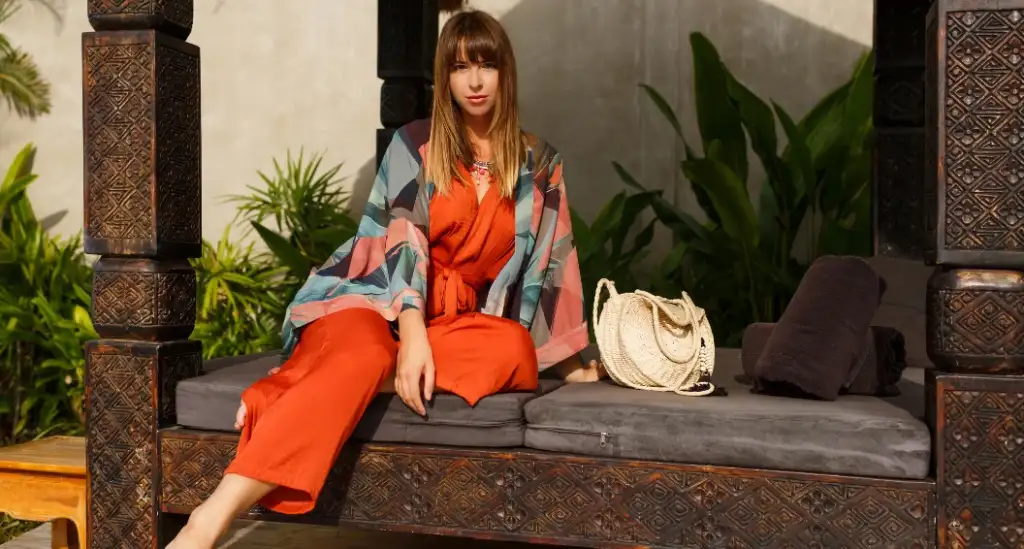
- One statement piece, the thing with visual interest. An embroidered blouse, a printed maxi skirt, a heavily textured kimono.
- One grounding piece, something neutral and simple that lets the statement piece breathe. Wide-leg linen trousers, a plain white fitted tank, and a simple denim skirt.
- One natural-material accessory, a woven bag, leather sandals, wooden or turquoise jewelry.
That’s it. When an outfit looks overdone, it’s usually because someone has two or three statement pieces fighting each other.
Why Fabric Choice Matters More Than Silhouette
Boho doesn’t have one silhouette. It has one material language. Cotton, linen, gauze, chambray, suede, leather, woven textiles, these are the fabrics that belong. Polyester chiffon printed with a floral pattern is not boho, even if the shape is right. Natural fabrics drape differently, feel different against the skin, and age differently. They also photograph completely differently, which is part of why authentic boho pieces look so good in real life and in photos.
How Mexican Dress Traditions Elevate Any Boho Outfit
This is the part most style blogs ignore, and it’s genuinely worth understanding if you love this aesthetic.
The Connection Between Boho and Mexican Folk Dress
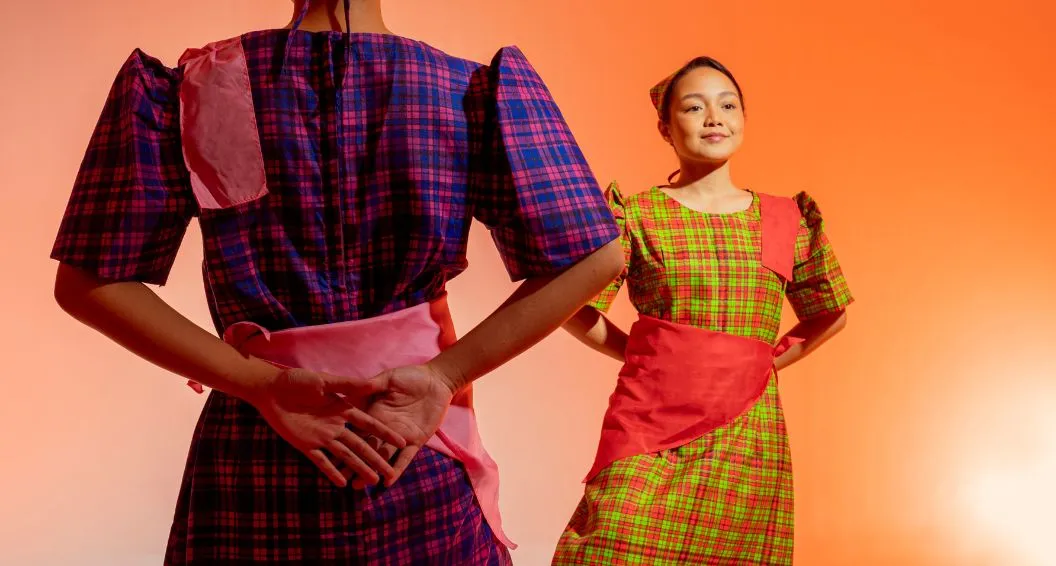
The traditional Mexican dress has been woven into Western bohemian fashion since at least the 1960s. Designers and artists (most famously Frida Kahlo, who wore Tehuana dress as both a political statement and personal identity) brought the aesthetic into international consciousness. The richly embroidered textiles from Oaxaca, Chiapas, and Yucatán fed directly into what we now call “boho style.”
When you understand this, you start seeing it everywhere. That off-shoulder white cotton dress with colorful flowers embroidered across the chest? That’s directly descended from the huipil tradition. The wide flowy skirt with tiered ruffles and bright trim? That’s got clear China Poblana lineage.
Traditional Mexican Dress Names You Should Know
People ask constantly: What are the Mexican embroidered dresses called? There’s no single answer because different regions produce distinct traditions:
- Huipil: the most widely recognized. A rectangular tunic, hand-woven or embroidered, from Indigenous communities in Oaxaca, Chiapas, and Yucatán. This is the piece that most directly inspired mainstream boho fashion.
- China Poblana: de Puebla. Features a richly embroidered or sequined skirt, traditionally paired with a white blouse. More festive and structured than everyday boho.
- Tehuana dress: from the Tehuantepec region of Oaxaca. The one Frida Kahlo made iconic. Full skirt, elaborate multi-colored embroidery, often with a matching headdress.
- Mestiza dress: from Yucatán. White cotton with colorful floral trim at hem and neckline. Clean and elegant.
Knowing these names helps you shop smarter. When a seller lists something as a “traditional Mexican dress for women,” you can ask which regional tradition it draws from, and that question alone tells you whether you’re dealing with someone who knows their product.
How to Incorporate Mexican Dress into a Boho Outfit
You don’t need to wear a full traditional ensemble to draw on these traditions. Here’s how I actually work these pieces into everyday outfits:
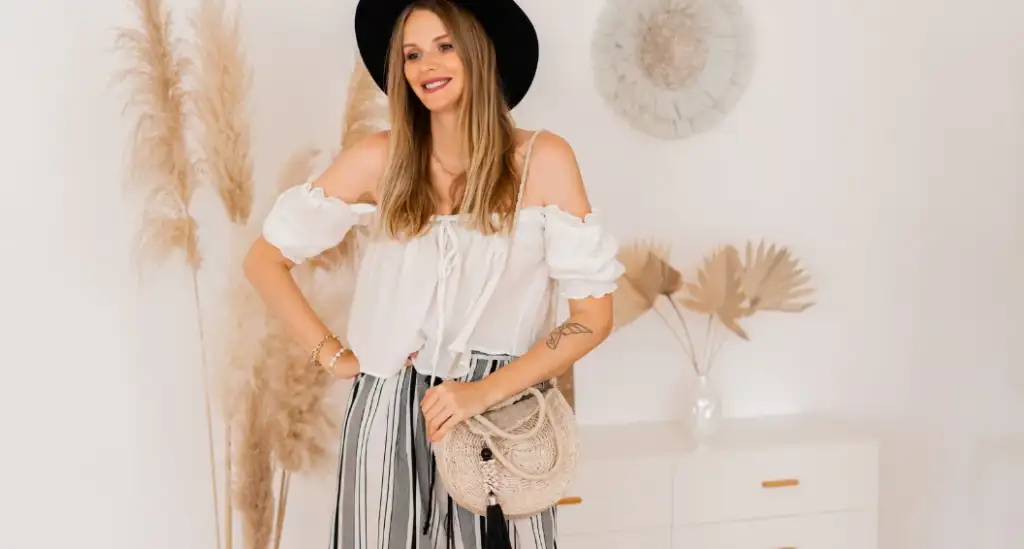
- A huipil-inspired embroidered top: tucked loosely into wide-leg trousers. Add simple leather sandals and a single turquoise ring. Done.
- An elegant Mexican dress: worn as the main event, minimal accessories, maybe just stacked thin gold bangles and flat woven sandals.
- A midi Mexican dress: (knee-length, smocked bodice, floral embroidery) paired with a denim jacket for a casual daytime look.
- A maxi casual Mexican dress: in white or cream, belted loosely at the waist, with a straw hat and woven bag for a market or beach day.
The key with any of these: let the dress do the work. The embroidery or weaving is already making a strong visual statement. Your accessories must contribute to it, not to rival it.
Building a Boho Outfit Wardrobe From Scratch
If you’re starting from zero, don’t try to buy everything at once. Build it over time, prioritizing pieces that work with multiple outfits.
The Foundational Pieces
Start here before anything else:
- One quality embroidered piece: either a top or a dress. This is your anchor. Spend real money here if you can ($50–$120 for something genuinely well-made). Cheap embroidery unravels after a few washes.
- Wide-leg linen or cotton trousers: in a neutral cream, sand, or olive. These go with almost everything in the boho wardrobe.
- A pair of leather sandals: flat or low-heeled. Brown or tan. These will carry you through dozens of outfits.
- A woven or rattan bag: a market tote or structured crossbody. Natural material only; synthetic wicker looks cheap immediately.
- One flowy midi or maxi skirt: in a print or solid, earthy tone.
That’s a starter wardrobe. Five pieces, maybe $200–$300 total if you shop thoughtfully. You can build 8–10 distinct outfits from those.
What to Add Next
Once the foundation is solid:
- A kimono or lightweight embroidered jacket for layering
- A smocked off-shoulder blouse
- Denim cutoff shorts or a simple denim skirt (the neutral workhorse of casual boho)
- Chunky wood, turquoise, or hammered metal jewelry
- A printed bandana or scarf (can be worn a dozen ways)
The Mistake Most People Make
Buying too many statement pieces and not enough basics. I did this for two years. I had seven embroidered tops and nothing simple to wear them with. Every outfit felt like a costume. The fix was buying plain white tanks, simple linen trousers, and neutral sandals. Suddenly, all those embroidered pieces became wearable.
Boho Outfit Ideas for Every Body Type
Real talk: boho has a reputation for being a “free size” aesthetic, which in practice means it’s designed with one body type in mind and everyone else gets told to “embrace the volume.” It is annoying and not really the way in which these clothes were initially fashioned.
For Petite Frames
Volume is your friend, but proportion matters. A full maxi skirt can overwhelm a shorter frame unless the waist is defined. Go for:
- Empire waist or smocked bodice dresses that define the torso
- Midi length rather than full maxi if you’re under 5’4″ (you can still wear maxi, but add a defined waist)
- Vertical embroidery details rather than wide horizontal borders
- Heeled sandals or espadrilles to add length
For Curvy and Size Bodies
The good news: boho actually works beautifully for curvy figures when the fit is right. Plus-size casual Mexican dresses for women and boho-inspired pieces work best when they have:
- Smocked or elastic bodices that hug the torso without being restrictive
- A-line or tiered skirts: that skim rather than cling
- V-necks or square necklines: rather than high crew necks
- Lighter fabrics: cotton gauze or voile drapes far more flatteringly than heavy cotton canvas
For Mexican dresses for women, plus size, I’d specifically recommend looking at Oaxacan artisan sellers who sew to measure. Traditional huipiles weren’t made to Western sizing standards in the first place. Many artisans can adjust the cut to your measurements for no extra charge, or a small fee.
Brands worth exploring: Anthropologie’s extended range, Universal Standard (for basics to layer with), and directly through fair-trade Mexican cooperative shops on Etsy.
For Tall Frames
You can carry a full maxi length beautifully. Lean into it. A floor-length maxi casual Mexican dress with full embroidery, wide sleeves, and a relaxed silhouette reads completely differently on a taller frame, more editorial, less overwhelming. Stack thin bracelets, go with flat sandals, and skip the hat unless you’re outdoors.
The Outfit Boho Style Mistakes That Age You
I’m including this section because I’ve seen these mistakes in everyone, including me, repeatedly.
Wearing Too Much Brown and Rust
Earthy tones are a boho staple, yes. But an all-brown-rust-terracotta outfit reads dated. Mix in at least one pop of something brighter: turquoise, deep red, cobalt, sage green, mustard. Traditional Mexican embroidery does this brilliantly; take a cue from it.
Matching Everything Too Perfectly
Boho is a collected aesthetic, not a matched set. If your bag, sandals, belt, and jewelry are all the same cognac-brown leather, it’s too coordinated. The look should feel like you gathered these pieces over time from different places. Because ideally, you did.
Over-Accessorizing
A chunky turquoise necklace, three layered chains, four stacked rings, two bracelets, statement earrings, a beaded bag, and a fringed belt. I’ve done this. Everyone has. It appears as though you are overdoing it. Pick two accessory focal points per outfit: jewelry OR bag, not both at maximum.
Buying Cheap Embroidery
Machine embroidery on thin synthetic fabric is everywhere right now. It costs $18 on Amazon and looks good after two washes. The thread pulls, the colors fade, the backing shows through. Spend more on one good piece rather than three cheap ones.
Ignoring Fit at the Shoulder
Boho tops and dresses frequently have wide or off-shoulder necklines, and they need to fit correctly at the shoulder to look intentional rather than ill-fitting. If the shoulders are swimming or the neckline keeps sliding in ways you didn’t intend, the outfit reads as “too big,” not “relaxed.”
Where to Actually Shop for Boho Outfits
For Authentic Mexican and Mexican-Inspired Pieces
- Etsy artisan shops from Oaxaca, Chiapas, and Puebla: search “huipil,” “Mexican embroidered dress,” or “vestido bordado.” Filter by location if the platform allows. Look for shops with 50+ reviews and photos of the actual workshop.
- Novica: National Geographic’s artisan marketplace. Verified provenance, fair-trade certified, excellent quality.
- Local Latin American boutiques: if you’re searching “Mexican dresses for women near me,” these shops often have pieces you can see and touch before buying. The markup is sometimes higher, but so is the curation.
- Artisan markets: any city with a strong Mexican-American or Central American community will have periodic markets. This is the best way to find genuinely unique pieces and meet the makers.
For Boho Basics and Layering Pieces
- Free People: expensive but reliable quality. Good for basics like linen trousers, smocked bodices, and lightweight kimonos.
- Anthropologie: wider size range than Free People, similar aesthetic. Sales can be excellent.
- Thrift stores: genuinely the best source for worn-in leather, vintage denim, and interesting textiles. Budget for time, not just money.
- ASOS Boho Edit: mixed quality, but good for affordable basics to test a new silhouette before investing.
Putting It All Together: Three Complete Boho Outfits
Outfit 1: Market Day Maxi casual Mexican dress in white cotton with Oaxacan flower embroidery at yoke + flat leather sandals + woven market tote + thin gold hoop earrings. No jacket, no extra jewelry. Let the dress carry it.
Outfit 2: Casual Evening Out Midi Mexican dress (smocked bodice, tiered skirt, deep teal) + heeled espadrilles + simple hammered gold bangles + small leather crossbody. Add a denim jacket if the venue is air-conditioned.
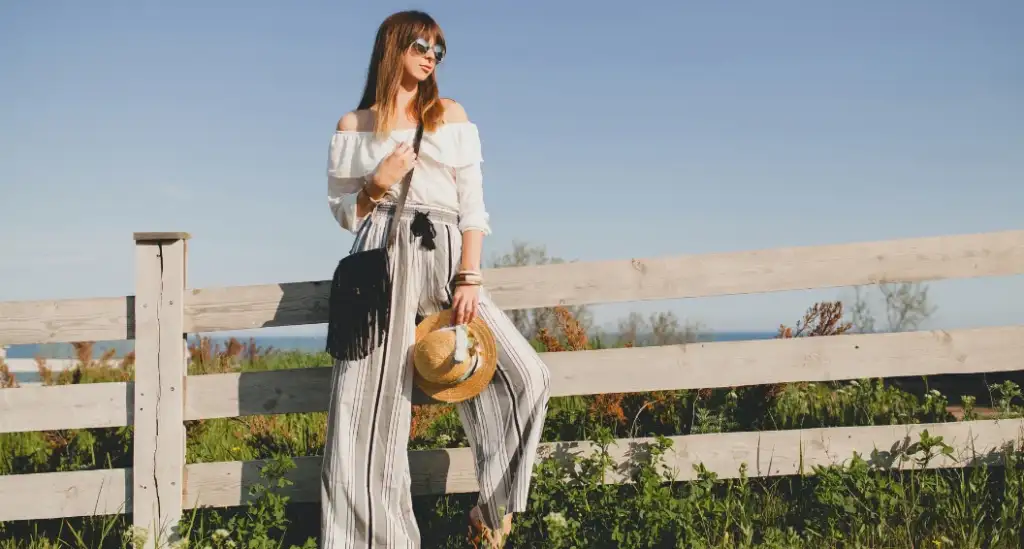
Outfit 3: Weekend Errand Run Embroidered off-shoulder blouse + wide-leg linen trousers in cream + leather sandals + rattan clutch + one turquoise ring. Hair up or loose, either works. This is my most-worn combination.
Conclusion
Pulling together a great boho outfit isn’t about following trends or buying a specific piece. It’s about understanding the underlying logic: natural fabrics, handcraft, intentional mixing, and one statement piece per outfit.
The Mexican dress tradition (from the embroidered huipil to the elegant Tehuana silhouette to modern interpretations) is one of the richest sources in this aesthetic. Understanding those specific names, their regional origins, and what distinguishes a genuine handmade piece from a knockoff makes you a better shopper and a more intentional dresser.
Start small. Buy one genuinely good embroidered piece. Build the basics around it. Resist the urge to over-accessorize. Let the outfit breathe.
Ready to upgrade your boho style? Explore more outfit ideas, styling tips, and handpicked looks now on whattowears.com and build your perfect wardrobe today.
Frequently Asked Questions
1. What is an outfit in boho style?
Boho fashion is a casual style of fashion that employs loose clothes, natural materials, and handmade patterns such as embroidery that are used to give aneasy-goingg and artistic appearance.
2. What do I do to make a boho outfit?
Begin with a single statement item, then add a neutral staple, and complete your ensemble with a natural accessory such as leather sandals or a woven bag to make a complete boho outfit.
3. Am I able to wear boho clothes every day?
Yes, boho outfits are great for daily wear. Combine everyday and simple outfits, such as an embroidered top and linen pants or a midi dress.
4. What are some of the mistakes I should avoid in boho style?
The do nots include over-accessorizing, combining too many loud elements, and using synthetic fabrics. Keep your outfit minimal, natural, and concentrated on one outstanding item.
5. Are Mexican dresses part of boho fashion?
Mexican dresses are indeed a source of boho style; their embroidery and colorful patterns give a touch of authenticity and cultural depth to boho dresses of today.