


Share This Article
Welcome to the french blending guide that shows you how to turn everyday errands into runway moments with effortless, polished style. This article breaks down everything from the French style color palette and outfit formulas to practical cheat sheets and styling tips, so you can look polished without ever appearing like you tried too hard.
We’ll walk you through the essential textures, classic shapes, and masculine energy that define the French aesthetic, and provide easy outfit ideas you can save as Style Recipe Cards or pin on Pinterest for quick reference. Whether you’re a fashion muse seeking forever fashion inspiration or just need a reliable cheat sheet for a quick, always‑chic look, this guide has you covered. Full disclaimer: the styling advice here is for inspiration only; feel free to adapt each suggestion to your own body and taste.
What Is French Blending?
French blending is a refined highlighting technique that gently integrates silver strands into the existing hair color, creating a natural transition rather than a stark contrast. This method, coined by L’Oréal Professionnel, is a trademarked approach that offers a luxury alternative to traditional gray coverage. It allows the hair to eventually embrace a soft, all‑gray mane while maintaining an overall color that feels balanced and sophisticated. By selectively blending the silver, the style avoids the obvious regrowth lines that often appear with full gray coverage, resulting in a lower‑maintenance look that can evolve over time.
The process typically takes around four weeks to fully settle, after which the wearer can enjoy a subtle, understated shine that highlights their unique style.
Hairstylist Jacob Khan, also known as ambassador Jacob, shares that this specific type of gray blending (often described as the exact term “blending that’s softly blending silver already in the hair while enhancing the surrounding color”) uses ammonia‑free color and lightening techniques, combining lightening with a low‑maintenance color for a luxury approach that moves away from completely covering a full head of gray hair. The image credit reads Jacopo Raule Getty Images for Fendi, showcasing the result.
Getting Started: Quick Overview for Newbies
Welcome to the french blending guide. I’m Ema, and I’ll walk you through the basics so you can declutter anything that doesn’t serve your look.
This quick start covers one of the 57 fashion styles I break down, showing how to combine three key pieces for a unique style blend that feels effortlessly French.
If you’re ready to pinpoint your ideal vibe, take the Style Quiz. It’s fun, fast, and accurate, giving you a clear direction for your first French‑inspired outfits.
Style Snapshot: The French Aesthetic
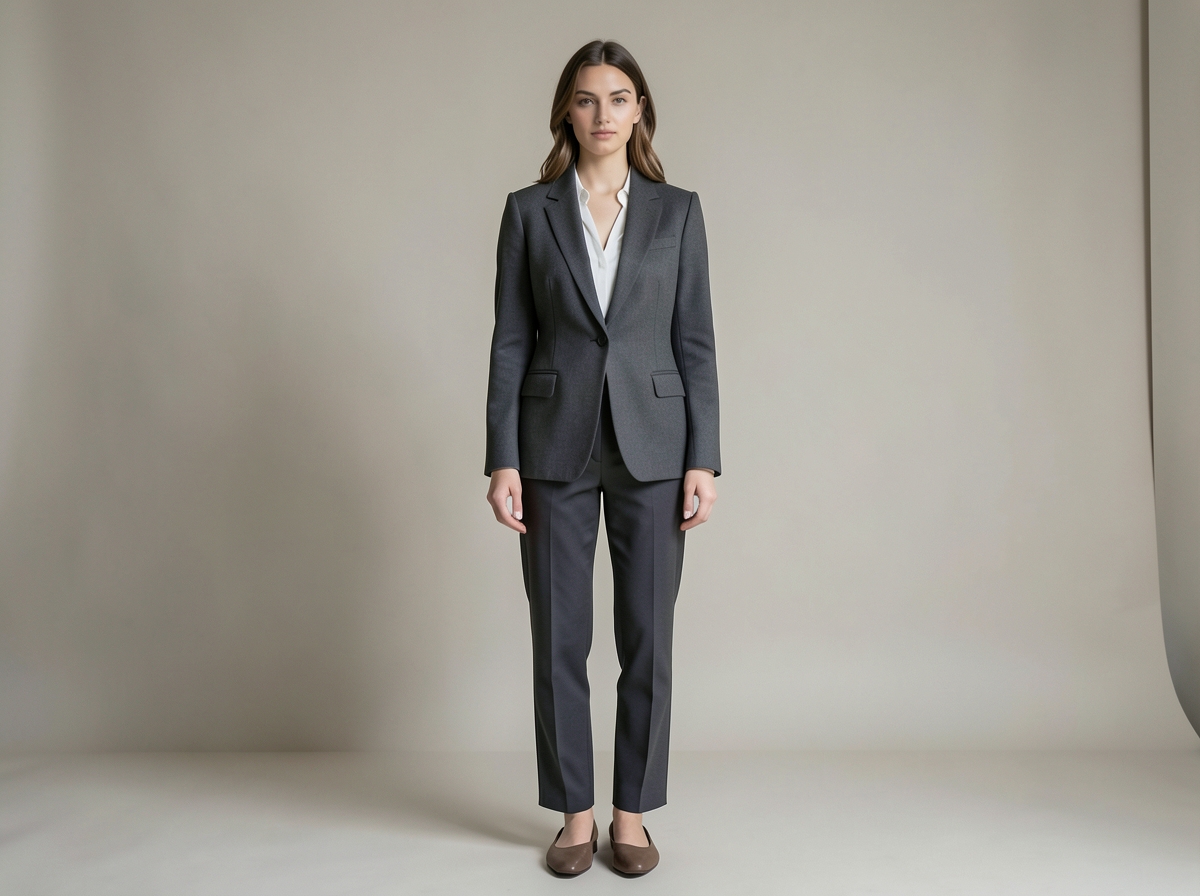
The french blending guide starts with an understanding of what makes French style so instantly recognizable. It’s a mix of casual charm and elegance wrapped in everyday wear that feels intentional yet never fussy. Parisian streets set the standard, with clean lines and strong proportions that reign supreme in every outfit, a principle that echoes in global style around the world.
Key visual cues include a well-cut blazer that showcases quality fabrics and timeless cuts. The Breton stripe, iconic in Paris, adds a touch of playful heritage, while a classic red lip delivers a sharp impact that is both bold and understated.
French fashion thrives on a strong sense of proportion, letting garments elevate everyday and chasing couture without excess. The result is a style that feels life quietly luxurious, understated accessories, and an overall vibe of elegance wrapped in simplicity, making Paris the eternal style capital of the world.
What French Style Is Not

The french blending guide often gets tangled with opposite aesthetics. First, French style is not Overdone Glam; you’ll rarely see sequins, rhinestones, or excessive sparkle dominating an outfit. The look stays grounded, letting subtle accessories speak louder than glitter.
Second, it is not Overly Minimalist. While the silhouette may appear clean, French fashion embraces detail such as a crisp stripe, a well‑placed red lip, or a perfectly knotted scarf. The simplicity is purposeful, not a lack of embellishment.
Finally, French style is not a chase after fashion fads. The style favors timeless classics over any fleeting fashion trends. It’s about choosing pieces that endure season after season, rather than hopping on the latest hype.
French Style Essentials
At the core of a french blending guide are a handful of pieces that translate effortlessly into any wardrobe. A timeless A‑line skirt, a crisp white button‑down, and a tailored blazer in classic shades such as black, navy, or camel create the foundation for an outfit that feels polished yet relaxed. For visual inspiration, an image to see original on style boards and original pins often showcase how these basics are mixed.
- Pair ankle‑grazing jeans with a soft button‑down shirt for an effortlessly chic daytime look.
- Combine cigarette trousers with a tailored pencil and timeless jewelry for a sleek office vibe.
- Match cropped denim with a midi skirt layered over a white button‑down, adding a defining accessory like a bold red lipstick.
Denim is reinvented in France with a cropped, ankle‑grazing fit in a classic wash, offering a modern twist while retaining that effortless vibe. Pair it with a trench coat that is belted for shape, or a midi skirt that can shift from pencil to soft A‑line, depending on the occasion.
Accessories complete the look: a simple handbag, a leather tote, or a sleek alternative such as a leather crossbody; delicate chains, pearl studs, and other timeless jewelry add subtle glamour. Polished footwear such as ballet flats or loafers keeps the outfit grounded, while silk scarves introduce texture and color. Classic elements like a Breton striped top or a white button‑down remain staples that never go out of style.
Textures & Fabrics That Define French Style
Crisp cotton, silk, wool, linen, and cashmere are the fabrics of choice. They lend structure and a refined silhouette, allowing garments to drape elegantly while remaining comfortable. Leather is reserved for accessories, adding a durable, chic edge.
Silhouettes You’ll See Everywhere
French style favors tailored and fitted shapes: cropped and ankle‑length pants, A‑line or pencil skirts, and streamlined dresses such as wrap, shift, or sheath styles. Structured outerwear (blazers and trench coats) provides definition, while ankle‑length pants keep the look sleek and contemporary.
Outfit Formulas for Effortless Chic
Think of each look as an equation you can swap pieces in and out of. One classic formula pairs a Breton striped tee with ankle‑length denim and ballet flats, finished by a silk scarf for a breezy, Parisian vibe. Another reliable combo is a white button‑down tucked into black cigarette trousers, complemented by loafers and a bold red lip.
When the weather calls for layering, reach for a camel trench over a navy knit sweater, then add straight‑leg jeans and a leather crossbody for texture. For a night out, match a blazer fitted over a fitted tee with tailored jeans and ankle boots. If you prefer a softer silhouette, try a midi denim skirt with a tucked‑in blouse, kitten heels, and pearl studs.
Other go‑to formulas include denim ballet flats paired with a denim skirt, a fitted tee with ankle‑length jeans, and a blazer combined with ballet flats for that masculine‑feminine mix. Swap in a leather crossbody, a red‑lip accent, or pearl studs to personalize each outfit.
- Mix a button‑down black with a pair of ankle‑length jeans for a casual, on‑the‑go look.
- Wear a blouse kitten over a pair of straight‑leg jeans for a relaxed yet polished vibe.
- Pair a trench navy with a tee ankle and loafers red to keep the outfit grounded.
- Opt for a skirt tucked‑in with a fitted blouse and loafers skirt to add a touch of structure.
- Choose a skirt loafers pair for a playful twist on classic flats.
- Add a pair of heels pearl to elevate a simple tee tailored and straight‑leg jeans.
- Finish with flats silk or a pair of loafers red for a refined finish.
Typical French Color Palette
The core of the french blending guide rests on a timeless palette of soft neutrals (think cream, beige, and blush) paired with classic staples like black, white, navy, grey, and camel. Red appears only as an accent, often through a lip color or a small accessory.
Use these hues as your wardrobe color foundation and mix them freely. For visual inspiration, see the Color Palette Post or explore the Pinterest Palette Board linked below.
Styling Tips to Keep It Fresh
Focus on a few key pieces rather than a stuffed closet; quality and fit are the true markers of French chic. Keep accessories understated. A single standout piece, such as pearl studs or a silk scarf, is enough to add interest.
Mix masculine and feminine energy by pairing a blazer with ballet flats or a skirt with loafers, and never let the look feel stiff. Layer simply. A trench over a tee and jeans can become peak chic in an instant. Finish with one pop of color, like a red lipstick, to inject feminine energy while maintaining effortless effort.
Effort Required: How Much Time Does It Take?
French blending isn’t a quick fix; it’s an ongoing practice that balances style and practicality. Putting together the look truly requires tailoring each piece, selecting quality fabrics, and arranging together polished outfits. A well‑crafted look typically requires about medium to high effort: tailoring pieces to fit, selecting quality fabrics, and arranging polished outfits. The finishing touches (an undone bun paired with perfectly applied red lipstick) add a subtle, intentional flair without overdoing it.
Personality Vibes Behind the French Look
If you’re drawn to confident, understated elegance, French blending might resonate with you. The French style values quality over trends, and it appreciates quality in every seam. This aesthetic shows that style requires a balanced, composed approach that feels effortlessly chic, even in casual settings.
Quick Reminder on Style Blends
Remember, French blending doesn’t have to replace your entire wardrobe; it can be one part of a perfect mix. I always recommend combining three styles to create a unique blend, thinking of each aesthetic as an ingredient rather than a full recipe. These style guides support the whole style you’re building, not box you in. If something feels confident and authentic, that’s the rule that matters. Trust your gut and keep experimenting.
Pairing Ideas: Mixing Pieces Like a Pro
Start with a soft, romantic dress that features provincial feminine details, then add a structured jacket for a touch of polish. The contrast creates a balanced edge while keeping the look effortlessly feminine. For a more everyday vibe, think a trench coat layered over sneakers and denim; the coat acts as a natural extension of the outfit, leaning slightly toward casual street style without losing elegance. Finish the ensemble with a bold swipe of red lips to anchor the look and add a hint of Parisian drama.
Similar Styles You Might Recognize
If you’re drawn to French blending, you may also appreciate the clean lines of minimalist design, the refined touches of Elegant Basics, and the relaxed professionalism of Business Casual. Each of these aesthetics shares a commitment to timeless pieces and understated sophistication, making them easy companions to the French style formula.
Other Names for French Style (Aka…)
In the fashion world, French blending is often referred to as Parisian Chic or Effortless Chic. Both terms capture the same spirit of understated elegance and relaxed confidence that defines the look.
Get Inspired: Real‑World Examples
Curate a mood board that captures the effortless elegance of French blending. Think of a mix of street‑smart pieces and classic Parisian staples that work together to create a balanced look. The whimsical charm of Amélie, embodied by Amélie Poulain, adds a playful layer that feels both modern Parisian and timeless.
See French Style in Action
Discover over 250 French Style reference pics on Pinterest. These images showcase the subtle harmony of colors, textures, and silhouettes that define the style, and they often include a chic nod to influences street culture.
Iconic French Style Figures
Parisian icons such as Brigitte Bardot (renowned for stripes, headbands, and sultry polish) set the tone for classic allure. Caroline de Maigret blends masculine tailoring with feminine ease, while Marion Cotillard exemplifies sleek, timeless Parisian chic. Inès de la Fressange, model and designer, often embodies Parisian chic, and Sylvie Grateau from Emily in Paris offers a fictional yet sharp nod to contemporary street fashion. These figures illustrate how blending masculine elements with understated power and sultry polish can create a refined, versatile look.
Further Reading on French Aesthetics
The french blending guide recommends a compact look book that walks you through daily Parisian dressing. This mini book condenses seasonal style tips into a pocket‑kinda format, making it easy to reference on the go. You’ll find chapters on timeless silhouettes, color coordination, and effortless layering that capture the essence of Paris fashion.
Where to Shop the Essentials
When you’re ready to build a French‑inspired wardrobe, start with the core selection of twenty French fashion brands that specialize in classic cuts and quality fabrics. Look for retailers that curate these labels, offering everything from crisp shirtdresses to structured blazers. Shopping within this curated group ensures you get the authentic pieces that define the French aesthetic.
French Travel Style Tips
For vacation wardrobes, scroll for French travel outfit ideas that balance comfort with chic. Pack versatile items like a tailored trench, slim trousers, and a soft cashmere sweater that can transition from airport lounges to evening cafés. Layering smartly and choosing neutral tones will keep your look polished while adapting to different climates and activities.
Benefits of French Blending
French blending is prized for its low‑maintenance appeal; the technique blending minimizes harsh regrowth, allowing you to skip frequent salon appointments. According to gray‑blending specialist Farah Hurdle, it “is so much more low‑maintenance than a traditional root touch‑up.” People love that it grows in so gracefully, letting you stay stylish for longer periods.
Customizable to your goals, French blend can be tailored to transition to full gray or accommodate scattered silver strands. Whether you want a subtle hint of gray or a full gray look, the style adapts, providing a natural pigment that matches someone’s previous color and roots without harsh contrasts. It effortlessly suit any hair type, and there’s unfortunately no need for a chemical bath.
Hair color specialists note that it causes far less damage than frequent root touch‑ups, maintaining healthier strands and preventing the typical harsh regrowth that comes with traditional methods. The result is a small wins look that lasts up to four weeks between touch‑ups, and you’ll find that the process is completely touching your daily routine. Image credit: Khan
How French Blending Works
In this french blending guide the process begins with a starting point assessment, often called the Hurdle appointment, where a colorist like Khan determines the client’s base color and client’s natural shade. The entire process typically spans three appointments over nine months, each weeks apart, allowing for a full transition that feels like a big undertaking but results in a seamless blend. The blending journey may include up to appointments eight for more complex cases, letting the colorist focus on certain areas that need extra attention.
Each session, lasting about five hours, may involve foil work and strategic lightening to add highlights, lowlights, and demipermanent color. This general how‑to creates gray‑hair coverage while keeping the look fully customizable. Because the color is designed to need fewer touch‑ups, clients often enjoy fewer touch‑ups and a finished result that maintains its freshness. Our salon color technique transforms traditional gray‑hair, so you’ll wind up with a natural‑looking finish. Image credit is provided by the studio.
French Blending vs. Gray Blending
French blending is a refined version of the broader gray blending umbrella. While traditional gray blending focuses on merging natural grays with highlights and lowlights to create a fully gray look, French blending takes a subtler approach by using softer, ashier tones of hair dye. According to Hurdle, this technique aims to keep the hair strands looking natural while adding a delicate, almost pastel gray that doesn’t fully transition into a metallic silver.
The end goal of gray blending is often to go full‑on to a silver or fully gray aesthetic. French blending, on the other hand, seeks a middle ground: the hair remains lightly tinted, avoiding the boldness of traditional gray. Khan notes that French blending works well for those who want to continue changing their color gradually, rather than making a drastic shift.
In casual conversations about hair color, people may use the terms “blending” interchangeably, but the subtle differences matter: gray blending is the broader, more dramatic technique, whereas French blending is the bespoke subset that keeps the finished color subtle and approachable. Think of it as an umbrella term where French blending is the gentle, gray hair option that lets you avoid a completely transition to full‑on silver while still embracing a sophisticated look.
Best Products to Maintain Your French Blend
Keeping the French blending look fresh starts with the right hair‑care lineup. Before any gray‑blending session, Hurdle suggests coating strands with Clarity Reset Demineralizer Pre‑Shampoo, a purifying three‑minute treatment that lifts mineral, metal and chlorine buildup, preparing hair for color‑safe haircare products.
Post‑appointment, pro stylists recommend the L’Oréal Professionnel Vitamino Color Spectrum Color Protecting Shine Conditioner and the Glossing Detangler. The lightweight detangling mist works without leaving greasy locks, while its natural protective oils neutralize brassy tones and keep lengths looking vibrant.
For deeper nourishment, try the Mighty Majesty Glossing Hair Masque or Absolut Repair 10‑in‑1 Hair Oil. Both contain fatty acids that enhance hair, especially glossy highlights, and the mask leaves a soft, non‑greasy finish that never leaves residue.
- A leave‑in conditioner such as Sooth Serum adds extra coating for platinum strands.
- A leave‑on spray like Rosemary Water provides a quick brightening boost without stripping the formula.
- For occasional color correction, a purple shampoo neutralizes brassy notes while remaining color‑safe.
These products post‑appointment give you the tools to maintain a flawless French blend, whether you’re exploring more shades or simply keeping your hair brightening routine consistent.
FAQ
Below are quick answers to the most common questions about French blending.
What fabrics work best for French blending?
French blending thrives on natural fibers that drape elegantly, such as lightweight cotton, crisp linen, and soft wool. These materials hold shape, breathe in warm weather, and provide a polished texture that pairs well with casual elements. A blend of cotton and linen often gives the right balance between comfort and sophistication.
Can I mix French blending with streetwear?
Absolutely. Mixing streetwear with French blending is a modern twist that keeps the look fresh. Pair a tailored blazer or crisp button‑down with a graphic tee or relaxed jogger, and finish with clean sneakers. The key is to keep the color palette restrained and let the textures speak.
How often should I refresh my French blend outfits?
Aim to reassess your pieces each season, swapping a few key items for fresh textures or subtle colour shifts. A quick wardrobe audit every three to four months helps keep the look current without overhauling everything.
Is French blending suitable for all body types?
Yes, the core formulas are flexible enough to flatter a range of silhouettes. Adjust the cut of a blazer, the length of trousers, or the drape of a shirt to accentuate your shape while preserving the effortless French vibe.
Do I need a specific color palette to start?
A basic palette of neutrals (navy, charcoal, ivory, and soft camel) provides a solid foundation. From there, you can introduce muted accents like olive or burgundy, allowing you to build a cohesive French blending guide wardrobe.
What are the key outfit formulas for beginners?
Start with a classic “white shirt + dark jeans” combo, then layer with a camel trench to add depth. Swap the jeans for tailored trousers and add a navy blazer for a polished look. Another easy formula is a pastel blouse with a charcoal skirt, finished with neutral pumps. These combinations keep the palette simple while showcasing the French tendency for understated harmony.
How much effort does French blending really need?
French blending focuses on balance, not busyness. A daily routine of selecting one statement piece and pairing it with neutral basics keeps the process quick. Most outfits can be assembled in ten minutes, and occasional wardrobe updates (every season or after a wardrobe audit) are enough to maintain freshness.
Where can I buy authentic French style pieces?
Shop in boutique districts that specialize in classic French tailoring, such as Parisian‑inspired stores in major U.S. cities. Look for retailers that offer timeless items like trench coats, linen blouses, and slim trousers. Online marketplaces with curated French collections also provide access to authentic pieces without the need for international travel. These sources are trusted for quality fabrics and the subtle color palettes that define French style.
Can I adapt French blending for colder climates?
Yes, the french blending guide works year‑round by swapping lightweight fabrics for warmer alternatives. Choose a classic wool blazer or a structured tweed coat in a neutral hue and layer it over a silk blouse or a fine knit sweater. Add a pair of leather ankle boots and a scarf in a muted shade from the French style color palette to keep the look polished while staying cozy.
What are common mistakes to avoid?
One frequent error is over‑accessorizing; French blending thrives on restraint, so stick to one statement piece like a belt or a simple necklace. Another pitfall is mixing too many bold colors; opt for the understated palette instead. Finally, avoid ill‑fitting garments; tailoring ensures the effortless chic that defines the french blending guide.
Final Thoughts
French blending is more than a trend; it’s a mindset that celebrates Parisian elegance in everyday life. By valuing quality, loving simplicity, and embracing the power of a well‑tied scarf, you can infuse a touch of romance into your daily wardrobe. Adding a little bit of a classic coat, a subtle accessory, or a neutral pair of shoes lets you yourself infusing a relaxed polish that feels effortless. Start small with a classic coat, a subtle accessory, or a neutral pair of shoes, and let the mix of polish and ease guide you. Your French style will evolve naturally, letting you feel confident and effortlessly chic.
Explore Other Style Guides
Ready to expand your fashion horizons? Check out our guides on Business Casual, Casual, Dark & Light Academia, Nextdoor Neighbor, Y2K, and Basic Chic for fresh inspiration. Whether you’re aiming for geek chic or a timeless look, these resources offer practical tips to elevate your style.
Further Reading
If you’re looking to deepen your understanding of the french blending guide, start with a free clothing calculator that tells you exactly how many pieces you need for a versatile wardrobe. This tool helps you avoid over‑buying and keeps your closet streamlined.
Next, explore a full guide on creating a capsule wardrobe; a quick guide version is perfect for busy readers who want the essentials fast. Both resources walk you through selecting timeless pieces that mix effortlessly with French blending formulas.
For a fun twist, try a happy hack article that shows how to reuse the same outfit daily while still looking fresh. Pair that with a style quiz to pinpoint the silhouettes and color palette that suit you best.
Finally, browse the style summaries that recap key principles of French blending, from textures to outfit formulas, so you can reference them whenever you need a quick reminder.
