



Share This Article
The smart casual dress code can feel like a code dilemma, but this guide breaks it down so you can dress confidently for any occasion. From a Tuesday client lunch to a Saturday networking event, we’ll show you how to turn the awkward intersection of polished and relaxed into a seamless outfit, offering smart casual outfit ideas, styling tips, and common pitfalls to avoid.
Inside, you’ll discover how celebrities like Gabrielle Union and Katie Holmes, as well as Gigi Hadid and Kendall Jenner, master the smart casual look with pieces such as a chunky loafer or a tailored blazer paired with comfortable essentials. We’ll walk you through the dress code basics, explain the differences between a casual dress code and smart casual, and give you a step‑by‑step formula: one refined piece plus one laid‑back piece, balanced by fit and fabric quality.
Whether you’re heading to a Sunday brunch, a Friday office gathering, or a Saturday gal‑night, you’ll leave with a clear plan for mixing structured items with a casual style that feels effortless yet intentional.
All of this is illustrated with images from Getty Images, so you can see the look in action and apply it to your own wardrobe. By tackling the smart casual dress code head‑on, you’ll eliminate the 30‑minute closet standoff and step out feeling polished, comfortable, and ready for any event.
What is smart casual dress code?
The smart casual dress code sits between the rigidity of business formal and the ease of everyday wear. It emerged in the mid‑20th century as office workers sought comfort without sacrificing style, blending neat, stylish elements with relaxed separates. This approach has become a cornerstone of modern workplace attire, especially in tech startups, creative industries, and corporate offices across the U.S. A recent poll revealed that a slim majority of workers lean toward a versatile approach, favoring a smart casual style that gracefully balances professional polish with laid‑back charm.
Smart casual is often described as a style chameleon: a versatile framework that can transition from an office meeting to an after‑work drink without an outfit change. It balances professional staples, such as tailored blazers or crisp shirts, with more casual pieces like chinos, loafers, or polished jeans. The goal is to look polished yet relaxed, ensuring every piece feels intentional and well‑fit. In the workplace environment, leaders such as CEOs often embrace this style to project an approachable yet confident image.
Mastering smart casual involves more than picking the right colors. It requires a focus on quality and fit, choosing foundational blocks that work together, and understanding the level of formality appropriate for the occasion. By leaning toward smart, rather than overly casual, you create an outfit that feels confident and sophisticated in any professional setting. Randstad’s research shows that many businesses now favor a business casual approach, yet still value the modern fashion sense of smart casual.
Smart Casual Shoes
When selecting shoes for a smart casual look, consider the event and the weather. For a farm wedding, opt for soft leather boots instead of clean white trainers; for an alfresco dinner, loafers pair nicely with a linen‑heavy outfit. Standard choices for smart casual footwear include boots, boat shoes, sneakers, and derbies. In winter, derbies and boots can be elegantly paired with dark‑wash jeans or woolen pants. Elegant double‑monks, sleek brogues, and Beige Flora Horsebit Loafers are excellent options to elevate the ensemble while maintaining the understated elegance required in a corporate setting.
Because the smart casual dress code offers flexibility, you can experiment with stylish horsebit loafers, elegant double‑monks, or sleek brogues. These options keep the ensemble polished while allowing personal flair, and they complement linen shirts or lightweight sweaters for a cohesive look.
Elevating Jeans to Smart Casual Chic
Jeans can become a cornerstone of smart casual attire when chosen carefully. Select darker washes or boot‑cut styles that provide a more tailored silhouette. Pair them with polished tops (think crisp button‑down shirts, silk blouses, or fine knit cardigans) to lift the casual nature of denim into refined sophistication.
Accessorizing smartly further elevates the look: a leather belt, a subtle watch, or a silk pocket square can add a touch of elegance. Complete the outfit with polished boots or loafers that match the overall tone, ensuring the jeans feel like part of a cohesive wardrobe rather than a casual detour. Incorporating jeans into your smart casual wardrobe requires intentionality: choose styles that avoid distressed details and lean toward clean lines.
Ultimately, the key lies in balancing casual washes with formal details, creating a polished yet relaxed vibe suitable for creative office meetings, client lunches, and post‑work gatherings. This modern approach to workplace attire embraces both traditional attire and contemporary trends, allowing individuals to express their personal style while maintaining professional standards. The smart casual dress code remains a widely embraced, versatile approach that supports both business suits and dressy jeans when executed with thoughtful layering and accessories.
Smart Casual for Work
When you need to follow the smart casual dress code at the office, aim for silhouettes that stay sharp while the finishes remain neat. A fine‑gauge polo that sits flat under a shell longline jacket works well for a heads‑down day, especially when paired with ankle‑grazer chinos and ballet flats. For a client meeting, combine a silky blouse with a pleated trouser, add a blazer, and finish with loafers; a slim belt and small hoops add a touch of polish.
On Fridays, many workplaces relax the code a bit, letting you wear dark jeans that are crisp and straight, but be sure the belt is closed and the derbies are complete.
On presentation days, try a knit shell topped with a longline blazer, wide‑leg trousers, and low block heels, plus a structured tote for accessories. If your office culture permits jeans, choose black jeans or straight denim that looks crisp; pair them with a blazer and derbies to keep the look professional. When heading out for an outdoor lunch, a blazer paired with chinos and closed‑toe smart shoes lets you enjoy the fresh air while maintaining a refined appearance. A simple ankle‑grazer shoe or a sleek loafer can sit flat against the floor, keeping you comfortable while enjoying the moment.
- Neutral colors keep the outfit office‑appropriate; avoid overly bold patterns.
- Use a slim belt to define the waist and keep the look tidy.
- Smart shoes such as loafers, derbies, or toe mules complete the ensemble.
- Mix casual elements like a fine‑gauge polo with structured pieces for comfort.
Smart Casual Dress
The core rule of the smart casual dress code for dresses is simple: keep the hem above the knee. A lightweight midi dress in a neutral shade makes an effortless transition from day to evening. Pair it with low heels or clean, white elegant sneakers for a comfortable yet polished look. For a more formal vibe, you can choose the Felicity Dress or the Karina Dress, both of which are wardrobe staples that effortlessly blend comfort and style.
For a smart casual wedding, choose a favorite dress (perhaps a black asymmetrical short dress, a knee‑length Tina Dress, or a pastel midi) and add a refined belt. Higher heels elevate the outfit for more formal moments, while elegant jumpsuits paired with sleek sneakers work as an alternative when you want to dance away the night. The Premium Grey Houndstooth Blazer can be paired with a jumpsuit for a polished twist.
- Midi lengths are versatile for most occasions.
- Espadrilles, low heels, or white sneakers keep the vibe relaxed yet stylish.
- Accessories like a small hoop or a structured tote add finishing touches.
Mastering the Smart Casual Dress Code
Mastering the smart casual dress code means finding the sweet spot between overly formal attire and relaxed casual wear. Start by building a wardrobe of staples (blazers, chinos, crisp button‑downs, and versatile dresses) that you can mix and match. Having a matching wardrobe of casual women’s pieces, such as a trouser blazer or a trouser low‑rise pant, makes the process smoother.
A few practical tips help you blend professionalism with personal style:
- Always trust your instinct; if an outfit feels too casual, it probably is.
- Balance bold patterns with neutral pieces to avoid looking overstated.
- Layer with a light trench or a longline blazer to add structure.
- Finish with smart shoes (loafers, derbies, or sleek mules) to keep the look cohesive.
By following these guidelines, you’ll navigate the smart casual dress code with confidence, creating outfits that feel both comfortable and appropriate for a range of smart casual occasions, whether in office environments or at a casual attire event.
Mixing and Matching Investment Pieces
Investment pieces are essential for a smart casual dress code that stays polished while remaining comfortable. A well‑fitted blazer, for example, can lift a casual look into a more formal setting. Pair a tailored blazer with tailored pants for a sharp, professional touch, or with smart jeans to keep the vibe relaxed yet refined. Neutral blouses offer versatility; they can be teamed with wide‑leg pants, pencil skirts, or smart jeans, ensuring you maintain a polished appearance without sacrificing comfort.
When mixing and matching, aim for a balance of elegance while keeping the outfit approachable. Using a single blazer, a few neutral blouses, and a selection of tailored pants, skirts, and jeans creates a versatile wardrobe where each piece can be combined in multiple ways. This strategy lets you adapt to different occasions, from a business meeting to a casual gathering, while always presenting a smart casual aesthetic.
Integrate wide‑leg pants into the mix to add a modern, airy feel. The wide‑leg cut ensures comfort while maintaining a formal touch. By mixing a high‑quality blazer with a pair of wide‑leg pants and a neutral‑toned blouse, you can seamlessly shift between a corporate call and a weekend outing.
Building a Versatile Wardrobe
A versatile wardrobe is key to mastering the smart casual dress code across various professional settings. Start by stocking neutral basics like white blouses, black trousers, and beige skirts, as these pieces form the foundation of your daily look. Because they are neutral‑toned, they can be paired with statement items such as patterned blouses or vibrant blazers, adding personality without compromising professionalism.
Prioritize quality over quantity: choose high‑quality fabrics that will stand the test of time. A few well‑made pieces (such as a sleek blazer, a crisp white blouse, and a pair of black trousers) offer endless mix‑and‑match possibilities, ensuring your wardrobe remains fresh and continued elegance throughout the year. By integrating statement pieces into a solid neutral base, you achieve a wardrobe that is both functional and fashionable for any smart casual occasion.
Stock a range of different bottoms (pants, skirts, and wide‑leg trousers) to maintain a casual vibe while still keeping a formal touch. Investing in high‑quality fabrics and neutral‑toned basics ensures longevity and makes it easy to mix and match for various professional events. When you invest in a few key pieces, you create a collection that can be easily mixed, ensuring you always look polished without sacrificing comfort.
Smart casual questions, answered
Even with the basics in place, navigating the smart casual style can still feel a bit tricky. Common questions often arise, especially when considering different occasions. By addressing these queries head‑on, you can confidently adapt your look to fit any setting, from a casual brunch to a more formal business event.
Common Mistakes to Avoid in Smart Casual Dressing
To keep your smart casual dress code looking polished, it’s essential to sidestep the typical missteps that can drag an outfit down. Wearing leggings, gym wear, or spaghetti‑strap tops often feels comfortable but fails to convey the balanced professionalism that smart casual aims for. Likewise, neglecting grooming (like forgetting to trim nails or manage hair) can undermine the overall polished image you want to project.
These common pitfalls not only clash with the intended vibe but also dilute the impression of a styled impressively look. By staying aware of what detracts from a professional appearance, you can maintain a refined yet relaxed aesthetic.
Ignoring Fit and Proportions
Fit is the cornerstone of smart casual success. When you wear ill‑fitting clothes, even the most stylish garments can appear sloppy. Prioritize well‑fitted garments that enhance your silhouette; they make a significant difference in overall appearance. If an off‑the‑rack item feels close but not perfect, tailoring can transform it into a perfectly fitting piece that flatters your shape and elevates the entire look.
Choosing fitting pieces that complement your body type helps avoid the “mart casual” look that feels too relaxed. A casual outfit built from correctly sized items will always be styled to look intentional rather than thrown together.
Balance Comfort and Style
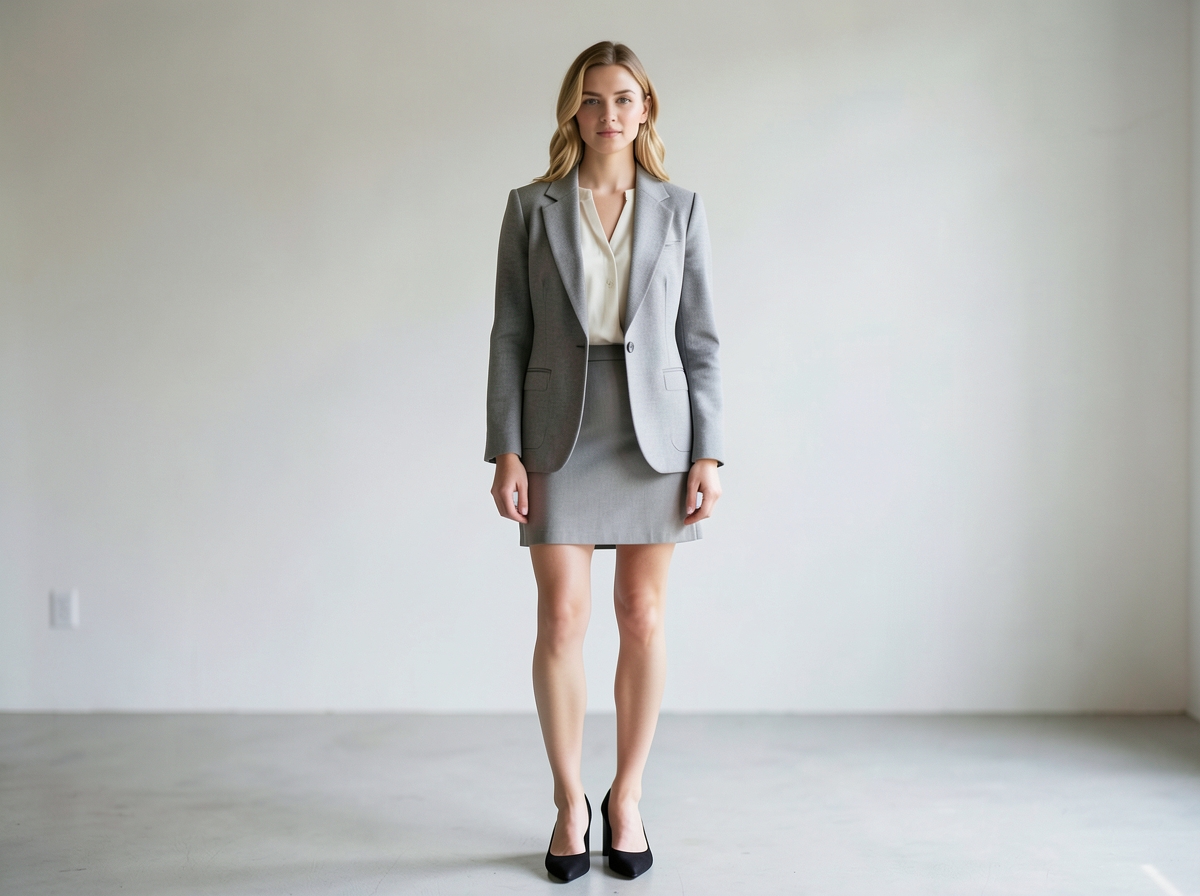
When you’re navigating a day that starts with morning meetings and ends with after‑work drinks, the smart casual dress code should let you move freely and comfortably throughout. Consider the Day’s Activities: if you’ll be on your feet frequently, choose block heels or flats over stilettos to keep your feet from tiring. Heels or flats should be supportive, allowing you to stand and stroll with ease while still looking polished.
Material matters. Pick high‑quality natural fibers like cotton, linen, or wool for durability and breathability. These fabrics are less likely to feel scratchy and can offer stretch for a better fit. When you invest in neutral-colored shoes, they complement multiple outfits, maximizing the wardrobe’s potential. Prioritizing comfort means avoiding tight waistbands that you’ll be adjusting throughout the day, and choosing pieces that provide added comfort without sacrificing shape.
For casual outfits that transition from office to evening, layer a lightweight blazer over a breathable tee or a crisp button‑down. The high-quality materials and stretch fabrics help maintain a polished look while allowing freedom of movement. Keep your comfort preferences in mind by selecting shoes that fit well and offer support, such as loafers or low‑block heels.
Remember, confidence shines when you’re comfortable throughout the day. The right balance between smart casual style and personal comfort lets you exude confidence in professional demands without sacrificing aesthetics. By choosing appropriate footwear, high‑quality materials, and a relaxed fit, you move freely and stay confidently poised in any casual or semi‑formal setting.
In summary, the smart casual dress code thrives when you balance comfort with style, ensuring that each choice (from shoes to fabrics) supports both your body and your confidence.
